




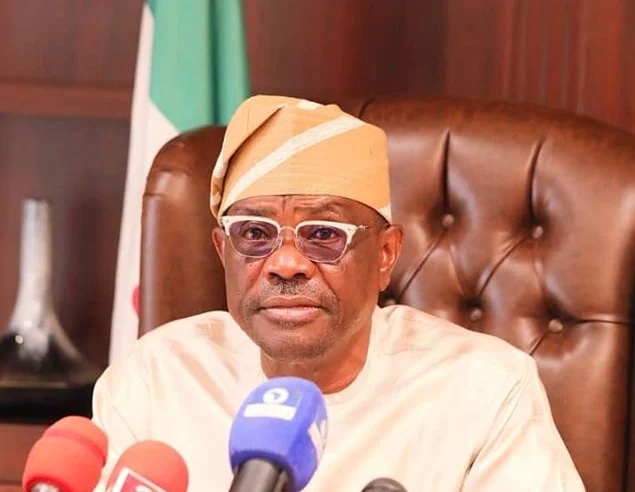
Abuja woke up to an unusual calm on Friday as offices, markets, and major business hubs across the Federal Capital Territory fell silent under a work-free directive declared by FCT Minister Nyesom Wike. The sweeping order, which also imposed a strict overnight movement restriction ahead of the Area Council elections, has triggered intense political conversation about power, influence, and what is truly at stake in the nation’s capital.
The minister’s announcement framed the shutdown as a necessary step to ensure peaceful participation in the grassroots elections scheduled for Saturday. By suspending official work activities and restricting vehicular movement from Friday night into early Saturday morning, the FCT administration says it is creating space for voters to travel to their respective area councils without disruption. Security agencies have been directed to enforce compliance, with checkpoints mounted across strategic entry and exit points in Abuja.
But beneath the official reasoning lies a deeper political drama.
For many observers, this election is more than just a local council contest. It is a litmus test of Wike’s growing dominance in Abuja’s political structure since his appointment as minister. Known for his combative style and firm grip on political machinery during his tenure as Rivers State governor, Wike has continued to assert influence in the capital, reshaping alliances and redefining political calculations within the territory.
Critics argue that declaring a work-free day and enforcing movement restrictions gives the administration enormous leverage over turnout patterns. They question whether the decision could tilt the playing field in subtle ways, particularly in a territory where political loyalties are constantly shifting. Supporters, however, insist that the directive is purely administrative, aimed at preventing voter apathy and ensuring order during a sensitive democratic exercise.
Abuja is not just Nigeria’s capital; it is a symbolic battleground. Control of the FCT carries national implications.
The Area Councils though technically local government structures serve as political launchpads for broader ambitions. Winning influence at this level signals organizational strength and grassroots penetration, qualities that matter significantly as conversations about the 2027 general elections quietly gather momentum.
The timing of the directive has added to the intrigue. Nigeria’s political climate is already charged, with debates over electoral reforms, governance performance, and economic hardship dominating public discourse. Any action by a high-profile political figure is instantly dissected for hidden motives. Wike’s decision to effectively pause Abuja’s daily rhythm has therefore become more than an administrative notice, it is now a statement of authority.
Residents have expressed mixed reactions. Some civil servants and private sector employees welcomed the break, seeing it as an opportunity to participate in the democratic process without juggling work commitments. Others, particularly small business owners, voiced concerns about lost income and the economic cost of shutting down commercial activities, even for a day. In a city where daily earnings sustain many households, the ripple effects of a temporary closure are felt immediately.
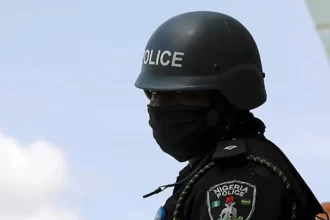
Security presence across Abuja has visibly increased. Patrol vehicles, roadblocks, and uniformed personnel stationed at key junctions underscore the seriousness of the enforcement. The movement restriction is designed to prevent last-minute disruptions, ballot snatching, or logistical sabotage. Yet the heavy security footprint also reinforces the perception that these local elections carry unusual political weight.
Wike’s assertiveness in the FCT has been consistent. Since assuming office, he has embarked on infrastructure projects, urban clean-up campaigns, and administrative restructuring aimed at tightening control over the capital’s governance. His critics often describe his approach as centralizing; his supporters call it decisive leadership. Either way, few dispute that he has left an unmistakable imprint on Abuja’s political landscape.
The Area Council elections will reveal whether that imprint translates into electoral dominance. Political actors within the territory are keenly aware that local victories can consolidate networks, reward loyalists, and expand patronage structures. In Nigerian politics, such structures often determine who commands influence when larger contests arrive.
Another layer of complexity lies in the broader national atmosphere. With economic pressures mounting and public scrutiny intensifying over governance outcomes, every political maneuver is amplified. The FCT elections may appear local on the surface, but they are unfolding against a backdrop of national tension and anticipation.
As voting day approaches, attention is fixed on turnout numbers. Will the work-free directive increase participation as intended? Or will skepticism dampen enthusiasm among segments of the electorate? Early indicators suggest that mobilization efforts are robust, with political camps urging supporters to seize what they describe as a defining moment for grassroots representation.
Regardless of the final results, one outcome is already clear: Wike has once again positioned himself at the center of Nigeria’s political conversation. By shutting down Abuja in the name of electoral order, he has demonstrated both the reach of his authority and his willingness to use it boldly.
The coming days will determine whether this gamble strengthens his political standing or fuels further controversy. For now, the capital waitsquiet streets, heightened security, and an electorate preparing to decide not only council leadership but also, perhaps, the direction of power within Nigeria’s most strategic territory.

