






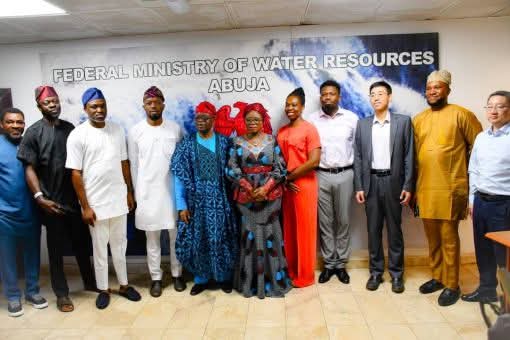
Nigeria has taken a major step toward strengthening its electricity sector with the signing of a $1.5 billion concession agreement for the Katsina-Ala Hydropower Project.
The deal, structured as a public-private partnership, is expected to increase power generation capacity, attract investment, create jobs, and support economic development across several regions of the country.
The hydropower project has long been regarded as one of Nigeria’s important untapped renewable energy assets. With the new agreement in place, authorities hope to accelerate its development and bring much-needed electricity to homes, businesses, and industries that continue to struggle with inadequate power supply.
Government officials have described the concession as a significant milestone in efforts to improve infrastructure through collaboration with private investors. The arrangement is expected to allow the project to benefit from private-sector funding and expertise while maintaining alignment with national development goals.
For many years, electricity shortages have remained a challenge for economic growth. Businesses frequently rely on generators and alternative energy sources, increasing operating costs and limiting productivity. The Katsina-Ala Hydropower Project is expected to help address some of these issues by adding renewable energy to the national grid and improving overall power availability.
Under the agreement, the concessionaire will oversee the financing, construction, operation, and maintenance of the facility. This approach is designed to ensure efficient project delivery while reducing the financial burden on the government.
Experts in the energy sector have welcomed the development, noting that hydropower offers a dependable source of renewable electricity. Unlike some energy sources that are affected by changing weather conditions, hydropower can provide a more stable supply of electricity and contribute to grid reliability.
The project is also expected to generate employment opportunities during both construction and operational phases. Thousands of workers could be engaged directly on the project, while many more may benefit indirectly through supporting industries and services. Contractors, suppliers, transport operators, and local businesses are expected to see increased economic activity as development progresses.
Communities around the project area may also experience improvements in infrastructure and commercial opportunities. Large-scale investments often lead to better roads, enhanced communication networks, and expanded business activities that can create lasting economic benefits for residents.
The concession reflects Nigeria’s growing reliance on public-private partnerships as a means of addressing infrastructure gaps. With increasing demands on public resources, such partnerships are being viewed as practical solutions for delivering major projects in sectors including energy, transportation, and housing.
Environmental sustainability is another key aspect of the initiative. Hydropower is considered a cleaner energy source compared to fossil fuel-based generation, making it an important component of efforts to promote renewable energy and reduce environmental impact.
Authorities have indicated that environmental and social safeguards will be incorporated into the project to ensure responsible development. Stakeholder engagement, environmental assessments, and community consultations are expected to form part of the implementation process.
Observers believe the successful execution of the Katsina-Ala Hydropower Project could strengthen investor confidence in Nigeria’s infrastructure sector and encourage additional investments in renewable energy projects. The development is also expected to contribute to broader efforts aimed at improving energy security and supporting long-term economic growth.
As work begins on the project, stakeholders will closely monitor progress to ensure that timelines are met and expected benefits are delivered. If completed successfully, the hydropower facility could become one of the country’s most significant renewable energy projects and a model for future infrastructure partnerships.
The signing of the concession agreement therefore represents more than an energy investment. It signals a commitment to expanding electricity access, supporting economic activity, and advancing sustainable development through strategic collaboration between the public and private sectors.

