






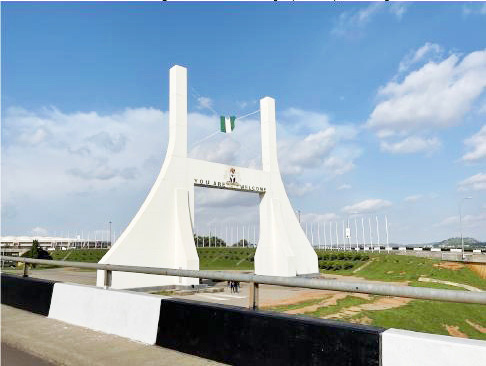
As Abuja celebrates 50 years as Nigeria’s Federal Capital Territory, conversations about the city’s growth have taken center stage. While many residents and visitors are reflecting on the remarkable transformation of the capital over the past five decades, renewed attention has also focused on one of its most recognizable unfinished projects, the Millennium Tower.
The towering structure, designed to symbolize Nigeria’s unity, ambition, and progress, has become a focal point in discussions about infrastructure, development priorities, and the future of landmark projects in the nation’s capital.
The golden jubilee provides an opportunity not only to celebrate Abuja’s achievements but also to examine the challenges that have accompanied its rapid expansion. Since replacing Lagos as the nation’s capital, Abuja has evolved into a modern administrative and commercial hub, attracting millions of residents from across the country. Wide roads, carefully planned districts, government institutions, diplomatic missions, and expanding residential communities have helped shape the city’s identity as one of Africa’s fastest-growing capitals.
Yet, alongside these accomplishments are projects that remain unfinished despite years of planning and significant investments. Among them, the Millennium Tower stands out as perhaps the most visible reminder of ambitious dreams that have yet to be fully realized.
Originally conceived as a national monument, the tower was expected to become one of Abuja’s defining landmarks. The project was envisioned as more than just a tall structure. It was designed to serve as a cultural, recreational, and tourism destination that would showcase Nigeria’s diversity while attracting visitors from around the world. Plans included observation decks, exhibition halls, museums, conference facilities, restaurants, and entertainment spaces capable of hosting both national and international events.
The project generated considerable excitement when construction began. Many believed it would become a symbol comparable to iconic towers found in other world capitals, giving Abuja an internationally recognized attraction that reflected Nigeria’s aspirations and growing influence on the African continent.
However, years passed with little visible progress. Economic challenges, shifting government priorities, funding constraints, and rising construction costs slowed the pace of work until the project eventually stalled. What was once expected to become a symbol of national pride gradually transformed into a reminder of the difficulties associated with delivering large-scale public infrastructure.
As Abuja marks its fiftieth anniversary, public discussion about the Millennium Tower has intensified. Citizens have questioned whether the project should finally be completed or whether available resources should instead be directed toward infrastructure that provides more immediate benefits to residents.
Supporters of completing the tower argue that landmark projects contribute significantly to the identity of a modern city. They believe iconic attractions help strengthen tourism, create employment opportunities, encourage investment, and promote cultural exchange. According to this view, completing the Millennium Tower would reinforce Abuja’s position as a world-class capital while creating new opportunities for businesses operating in the hospitality, entertainment, and tourism sectors.
Many urban planners also point out that successful cities often combine practical infrastructure with symbolic landmarks. Roads, hospitals, schools, and housing remain essential, but monuments and cultural centers also help define a city’s character, attract international visitors, and preserve national heritage.
Others, however, maintain that current economic realities require a more cautious approach. They argue that government resources should first address pressing concerns such as transportation networks, healthcare services, water supply, education, security, drainage systems, and affordable housing. For many residents, these priorities have a more direct impact on everyday life than completing an expensive monument.
This debate reflects a broader conversation about public spending and long-term planning. Governments frequently face difficult choices between investing in projects that deliver immediate social benefits and those designed to produce economic and cultural returns over many years. Finding the right balance remains one of the greatest challenges in urban development.
Abuja itself offers numerous examples of successful planning. Over the years, the city has expanded well beyond its original boundaries, with new districts accommodating a rapidly growing population. Modern highways have improved connectivity, while commercial developments have transformed the capital into an increasingly important destination for business and investment.
The city also continues to host major international conferences, diplomatic meetings, sporting competitions, and cultural events that strengthen Nigeria’s presence on the global stage. These achievements demonstrate how sustained investment can reshape an urban environment and create opportunities for economic growth.
Nevertheless, the experience of the Millennium Tower highlights the importance of continuity in public policy. Large infrastructure projects often extend beyond a single administration, making consistent planning and stable financing essential. When priorities change frequently, projects may remain incomplete for years, increasing costs while reducing public confidence.
Many development experts believe innovative financing could provide a practical solution. Public-private partnerships have been successfully used around the world to complete complex infrastructure projects without placing the entire financial burden on government budgets. Under such arrangements, private investors contribute funding in exchange for opportunities to manage commercial aspects of completed facilities.
Applying a similar model to the Millennium Tower could allow construction to resume while ensuring the completed complex generates revenue through tourism, conferences, exhibitions, retail activities, and entertainment. Such an approach could reduce pressure on public finances while preserving the project’s original vision.
The conversation surrounding the tower also reflects changing expectations among Abuja residents. As the population continues to grow, citizens increasingly expect transparency, accountability, and efficient delivery of public projects. They want assurances that investments will produce measurable benefits while contributing to sustainable urban development.
Beyond economics, the Millennium Tower represents an important symbolic question. Cities are remembered not only for their infrastructure but also for the landmarks that capture their history and aspirations. Whether through architecture, public spaces, museums, or cultural institutions, these symbols often become lasting expressions of national identity.
For Abuja, reaching its fiftieth anniversary is both a celebration and an opportunity for reflection. The city has achieved extraordinary progress within five decades, transforming from undeveloped land into the political heart of Africa’s most populous nation. Its growth continues to attract admiration from visitors and investors alike.
At the same time, unfinished projects serve as reminders that development is an ongoing process rather than a completed destination. They encourage policymakers to evaluate past decisions, improve planning processes, and identify sustainable approaches for completing major initiatives.
As discussions continue, many Nigerians hope the anniversary will inspire renewed commitment to completing projects that combine national significance with economic value. Whether through government investment, private partnerships, or innovative financing models, the future of the Millennium Tower remains an important part of Abuja’s continuing story.
Ultimately, the debate extends beyond a single building. It reflects the broader challenge of balancing ambition with practicality, preserving national vision while responding to immediate public needs. As Abuja begins its next fifty years, the decisions made today will shape not only the city’s skyline but also its legacy for future generations.

