




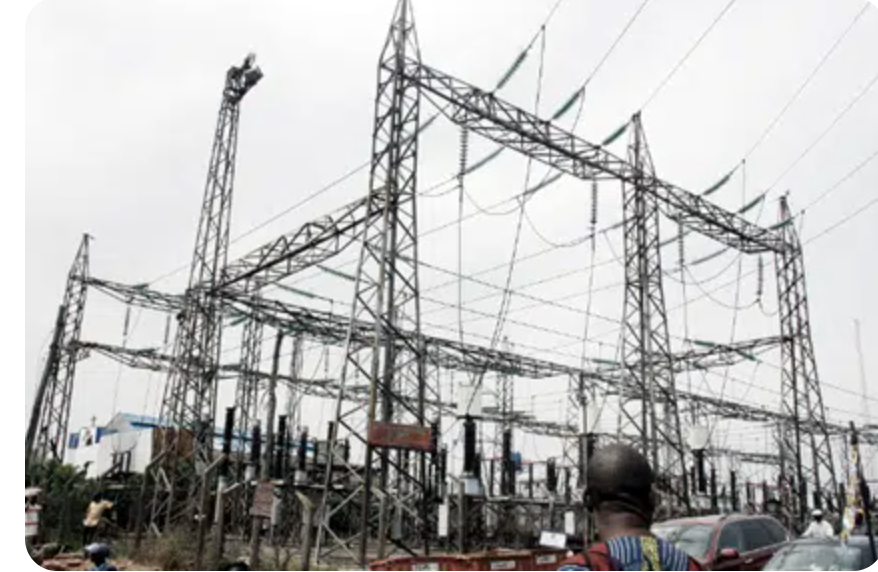
The Federal Government has announced plans to begin phasing out electricity subsidy payments from 2027 as part of ongoing efforts to reform Nigeria’s power sector and reduce the huge financial burden associated with subsidising electricity.
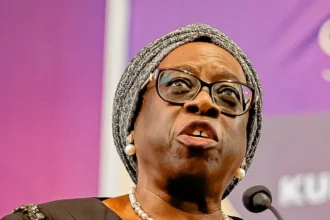
Minister of Power, Joseph Tegbe, made the announcement during a media interactive session on Friday.
He explained that the decision is aimed at creating a more sustainable and commercially viable electricity industry that can attract investment, improve service delivery and ensure long term growth.
According to the minister, the subsidy will not be removed all at once. Instead, the government plans to gradually phase it out from 2027 to give consumers and the power sector enough time to adjust to the new policy.
Tegbe assured Nigerians that the planned reforms would not deprive citizens of the benefits they currently enjoy under the electricity subsidy programme.
He said the government is committed to protecting consumers, especially low income households that may be affected by the changes.
He also stressed that there are no immediate plans to increase electricity tariffs. According to him, the government is not considering a tariff hike in the short term, despite the planned removal of subsidies.
The minister said the reforms are designed to solve long standing financial problems in the electricity sector.
He noted that the Federal Government has continued to spend huge amounts on electricity subsidies over the years, creating mounting liabilities that have affected the overall performance and sustainability of the industry.
To reduce the impact of the subsidy removal, Tegbe said the Power Consumer Assistance Fund would be introduced as a safety net for vulnerable consumers. The fund is expected to provide targeted support to Nigerians who may struggle with electricity costs after the subsidy is phased out.
He added that the government would continue to engage electricity distribution companies, generation companies, regulators and other stakeholders to ensure that the transition is smooth and beneficial to consumers.
The minister further explained that details of the implementation process, including the timeline and measures to protect consumers, would be made public as the reform programme progresses. He said the government wants to ensure that Nigerians understand the reasons for the policy and how it will be carried out.
According to Tegbe, the overall goal is to build a financially stable electricity sector that can provide reliable power supply, encourage private sector investment and improve service delivery across the country.
The planned phase out of electricity subsidies forms part of the Federal Government’s broader efforts to strengthen the power sector, improve efficiency and reduce the fiscal pressure caused by subsidy payments.
The government believes that with the right consumer protection measures in place, the reforms will help create a stronger and more sustainable electricity industry while safeguarding the interests of vulnerable Nigerians.
If you’d like, I can also �suggest engaging headlines for this story.

