



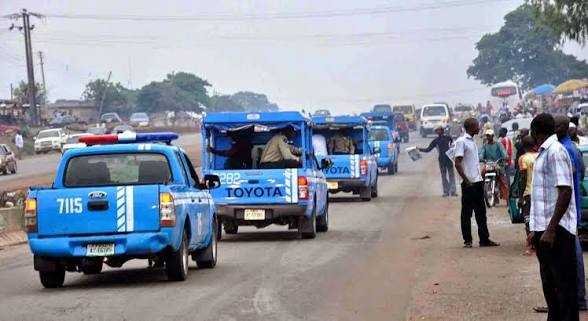
The Federal Road Safety Corps (FRSC) has launched a comprehensive road safety awareness campaign in Mpape, Abuja, as part of renewed efforts to reduce road traffic crashes, improve public awareness, and encourage responsible road use among motorists, commercial drivers, pedestrians, and other road users.
The campaign, which took place in the bustling Mpape community, brought together FRSC officials, transport union members, community leaders, students, and residents. The initiative is designed to educate the public on the importance of obeying traffic rules and adopting safe road practices to prevent avoidable accidents.
Speaking during the event, FRSC officials emphasized that road safety is a collective responsibility requiring the commitment of every road user. They noted that while the Corps continues to strengthen enforcement of traffic regulations, public education remains one of the most effective ways to reduce crashes and save lives.
According to the officials, many road accidents in Nigeria result from preventable human errors such as speeding, dangerous overtaking, distracted driving, drunk driving, and failure to obey traffic signs. They urged motorists to exercise patience and caution while behind the wheel, stressing that no journey is worth risking lives.
The awareness campaign featured interactive sessions where FRSC personnel educated participants on traffic laws, defensive driving techniques, proper vehicle maintenance, and the dangers associated with reckless driving. Drivers were reminded to always ensure their vehicles are roadworthy before embarking on any trip.
Commercial transport operators, who constitute a significant percentage of daily road users in Abuja, were encouraged to prioritize passenger safety over profit. FRSC officials warned against overloading vehicles, carrying passengers in unsafe conditions, and violating speed limits.
Pedestrians were also not left out of the campaign. Residents received guidance on the proper use of pedestrian walkways and designated crossing points. Officials advised pedestrians to avoid crossing busy highways indiscriminately, explaining that pedestrian negligence contributes to a considerable number of road fatalities every year.
The campaign also highlighted the importance of using seat belts and child safety restraints. FRSC officers explained that wearing seat belts significantly reduces the risk of severe injuries during collisions. Parents and guardians were equally encouraged to ensure children are properly secured whenever they travel by road.
Motorcyclists and tricycle operators operating within Mpape were reminded of the importance of wearing protective helmets and observing traffic regulations. The Corps stressed that helmets remain one of the simplest yet most effective safety measures for reducing fatalities in motorcycle-related crashes.
Community leaders present at the event applauded the FRSC for bringing the campaign directly to residents. They acknowledged that Mpape, like many rapidly developing communities within the Federal Capital Territory, experiences increasing vehicular and pedestrian traffic, making road safety education more necessary than ever.
Some residents shared their experiences with road accidents and welcomed the awareness programme. They expressed hope that sustained public enlightenment would encourage more responsible behavior among drivers and pedestrians alike.
Transport union representatives pledged to support the FRSC’s efforts by educating their members and enforcing safety standards within their various associations. They noted that continuous collaboration between government agencies and transport operators is essential for improving road safety across the FCT.
The FRSC also used the opportunity to inspect vehicle documents and educate motorists on the importance of possessing valid driver’s licences, vehicle registration documents, insurance certificates, and roadworthiness certificates. Officials explained that compliance with these requirements not only satisfies legal obligations but also enhances accountability on Nigerian roads.
Road users were encouraged to avoid using mobile phones while driving unless through approved hands-free devices. Officials warned that distracted driving has become an increasing cause of road crashes and urged motorists to remain fully focused whenever they are behind the wheel.
The Corps further appealed to motorists to respect speed limits, especially around schools, markets, hospitals, and residential areas where pedestrian activity is high. Drivers were reminded that excessive speed reduces reaction time and increases the severity of crashes.
As part of the awareness exercise, educational materials including flyers, brochures, and safety guides were distributed to participants. FRSC officers also demonstrated proper road crossing techniques and explained the meanings of common road signs and traffic signals.
The campaign aligns with the FRSC’s broader national strategy of promoting a safer road transport environment through education, enforcement, engineering, and emergency response. The Corps has consistently emphasized that reducing road traffic fatalities requires continuous engagement with communities across the country.
Residents were encouraged to report reckless driving, damaged road infrastructure, and traffic emergencies through the appropriate FRSC communication channels. Officials said timely reporting enables quicker intervention and helps prevent further accidents.
The FRSC reaffirmed its commitment to partnering with community leaders, schools, transport unions, civil society organisations, and other stakeholders to deepen road safety awareness throughout the Federal Capital Territory and beyond.
As Abuja continues to grow, with increasing traffic volumes and expanding communities such as Mpape, initiatives like the road safety awareness campaign are expected to play a crucial role in promoting responsible road use. Through sustained public education, stricter compliance with traffic regulations, and stronger collaboration between authorities and citizens, the FRSC hopes to build a safer transportation system where every journey ends safely.