



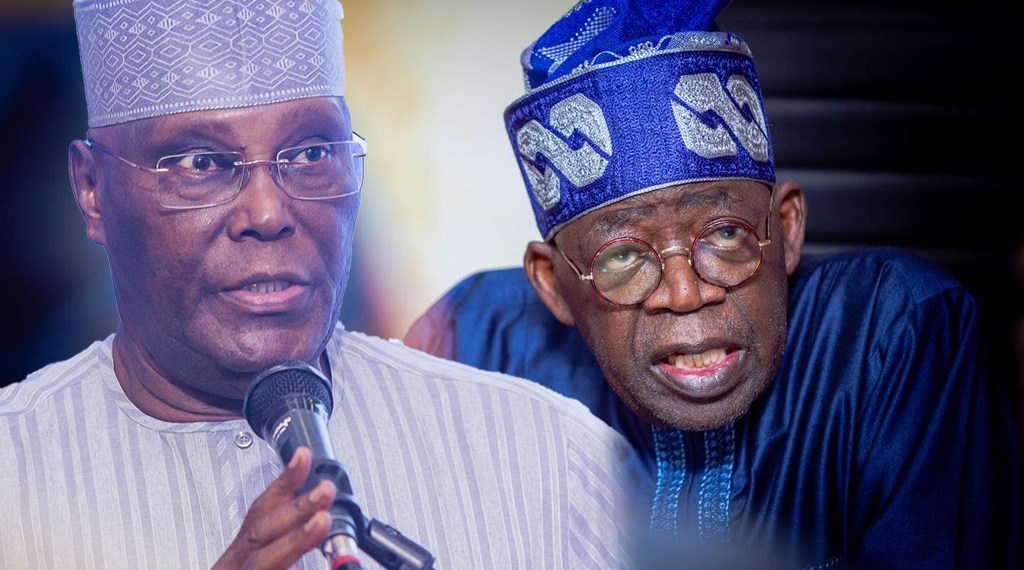
Presidential candidate of the African Democratic Congress (ADC), Atiku Abubakar, says the President Bola Tinubu administration has just come up with a policy direction he canvassed more than two decades ago, after spending nearly three years worsening Nigeria’s electricity crisis through poor planning and misplaced priorities.
In a statement issued on Monday by his Senior Special Assistant on Public Communication, Phrank Shaibu, Atiku said “It should not take a government three years in office to discover what was obvious more than two decades ago.”
He spoke with reference to the recent admission by the Minister of Power that Nigeria could no longer depend solely on large, centralised power plants, stressing that the admission amounted to a belated endorsement of the decentralised electricity generation model he championed over 20 years ago.
The former Vice President criticised the Tinubu administration for increasing electricity tariffs before implementing structural reforms to improve power supply.
According to him, “A government that thinks before it acts would have fixed the system before asking citizens to pay more.
“Unfortunately, this administration has done the exact opposite — raising tariffs first and only now beginning to think about the reforms required to justify those increases.”
Atiku said while serving as vice-president between 1999 and 2007, he consistently advocated decentralising electricity generation by harnessing Nigeria’s hydro, solar, gas and other energy resources.
He disclosed that he declined to chair the power sector reform committee established by then-President Olusegun Obasanjo because he disagreed with what he described as its gas-driven generation strategy.
“This has been my position for over two decades. When President Obasanjo established the Power Sector Reform Committee based primarily on gas-fired generation, I was appointed chairman,” he said.
“However, because I fundamentally disagreed with the policy direction, I declined to preside over the committee.
“I believed then, as I do now, that Nigeria’s electricity future lay in a diversified and decentralised energy mix—not an overdependence on a single source,” he said.
The ADC presidential candidate said billions of dollars were committed to the policy at the time without achieving the expected results.
He added that although the national assembly investigated the power sector reforms under the Obasanjo administration, he was not invited because he had declined to head the committee.
Atiku said he had consistently maintained the same position, including during a 2022 interview on Arise Television, and throughout his presidential campaigns between 2007 and 2023.
“For more than two decades, I have consistently argued that Nigeria’s overdependence on a centralised generation system was economically unsustainable and technically inefficient.
“Today, the Tinubu administration is merely acknowledging what I proposed years ago,” he said.
The former Vice President maintained that reliable electricity remains central to industrialisation, job creation and economic growth, accusing the current administration of spending nearly three years “experimenting with the livelihoods of Nigerians”.
 He pointed out that the government’s approach has resulted in higher electricity tariffs, struggling businesses, distressed manufacturers and households paying more for less power.
According to Atiku, “The greatest tragedy is not that this government has finally embraced the right idea.
“The tragedy is that it took three years of policy drift, higher tariffs and prolonged darkness to discover what could have transformed Nigeria’s power sector more than two decades ago.”
The presidential candidate said an ADC administration under his leadership would pursue a diversified and decentralised electricity generation strategy based on hydro, gas, solar and other viable energy sources.