



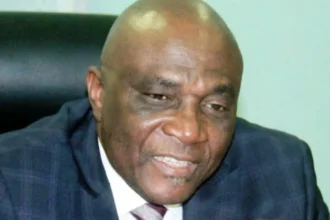


Isaac Fayose has alleged that vote buying and the misuse of voter cards played a major role in the outcome of the recent Ekiti State governorship election, raising fresh concerns about the credibility and transparency of the electoral process.
Speaking while reacting to the election results, Fayose questioned the legitimacy of the votes recorded by the winning party, claiming that many of the votes were secured through financial inducements rather than the free choice of voters.
According to him, the large number of votes announced by election officials does not accurately reflect the true will of the electorate.
“I will never be a politician. That 300,000 votes they claim they got was bought,” Fayose said.
He further argued that allegations of vote buying, voter manipulation, and the improper use of voter cards continue to undermine public confidence in elections. Fayose maintained that such practices, if left unchecked, could weaken democratic institutions and discourage citizens from actively participating in future electoral processes.
The businessman and social commentator stressed the need for electoral authorities and security agencies to investigate reports of irregularities and ensure that those found guilty of violating electoral laws are held accountable.
He also called for stronger measures to safeguard elections, including increased voter education, stricter enforcement of electoral regulations, and improved monitoring of polling units during elections.
Fayose’s remarks come amid ongoing debates over the conduct of elections in Nigeria and growing calls from stakeholders for reforms aimed at improving transparency, fairness, and accountability in the electoral system.
While electoral authorities are yet to respond directly to his claims, the allegations have added to broader discussions about the need to strengthen public trust in the country’s democratic process and ensure that election outcomes truly reflect the wishes of voters.
The Ekiti governorship election has continued to attract reactions from political observers, civil society groups, and members of the public following the announcement of the official results.

