



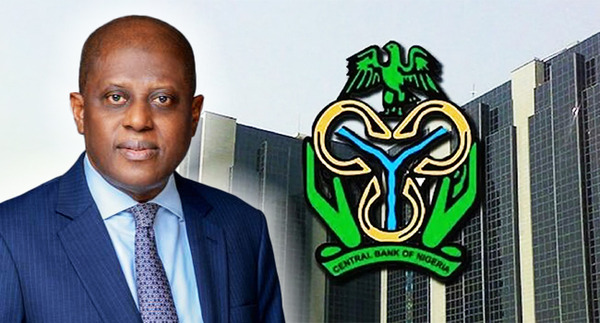
The Governor of the Central Bank of Nigeria (CBN), Olayemi Cardoso, has launched the Naira Ambassadors Club, an initiative designed to educate students and encourage responsible handling of the country’s legal tender.
The club, comprising students from secondary schools across the Federal Capital Territory (FCT), was inaugurated on Monday at the CBN headquarters in Abuja.
Speaking at the launch, Cardoso said the campaign became necessary given the cost implications of printing and replacing defaced banknotes.
He disclosed that the apex bank spends substantial resources producing clean, durable and highly secure banknotes to meet the needs of the Nigerian economy, but stressed that the success of that investment depends largely on how citizens handle the notes after they enter circulation.
The CBN governor maintained that every Nigerian has a duty to respect the Naira because protecting it goes beyond preserving paper money and reflects the country’s identity, public resources and civic responsibility.
According to him, the Naira represents far more than a medium of exchange, describing it as a symbol of Nigeria’s identity and sovereignty.
“The Naira is much more than paper and polymer. It is the legal tender of the Federal Republic of Nigeria. It facilitates trade, supports economic activity, enables savings and investment, and serves as a visible expression of our national identity and sovereignty.
“When banknotes are defaced, mutilated or mishandled, they deteriorate more rapidly than expected. This increases replacement costs, disrupts the efficiency of currency circulation and imposes avoidable financial burdens on the nation,” he said.
Cardoso noted that every banknote carries important national symbols, portraits of distinguished Nigerians and security features designed to sustain public confidence in the country’s monetary system.
“Every banknote tells a story about our nation. It carries the portraits of distinguished Nigerians, national symbols and security features carefully designed to preserve public confidence in our monetary system.
“For these reasons, every Nigerian has a responsibility to treat the Naira with respect,” he added.
The CBN governor explained that although the bank continues to invest heavily in producing clean, durable and secure banknotes, the effectiveness of those efforts depends largely on how the public handles the currency after it enters circulation.
He expressed concern over the widespread defacement, mutilation and improper handling of the Naira, warning that such practices shorten the lifespan of banknotes and increase replacement costs.
“When banknotes are defaced, mutilated or mishandled, they deteriorate more rapidly than expected. This increases replacement costs, disrupts the efficiency of currency circulation and imposes avoidable financial burdens on the nation,” Cardoso said.
He stressed that preserving the Naira is a collective responsibility and not solely the duty of the Central Bank.
“The preservation of our currency is therefore not merely an operational concern for the Central Bank; it is a matter of national responsibility,” he stated.
The Naira Ambassadors Club is expected to drive awareness among young Nigerians on the importance of respecting and properly handling the national currency as part of broader efforts to preserve its integrity and reduce the cost of replacing damaged notes.