




Announces Political Shift, Ignites Nationwide Conversation
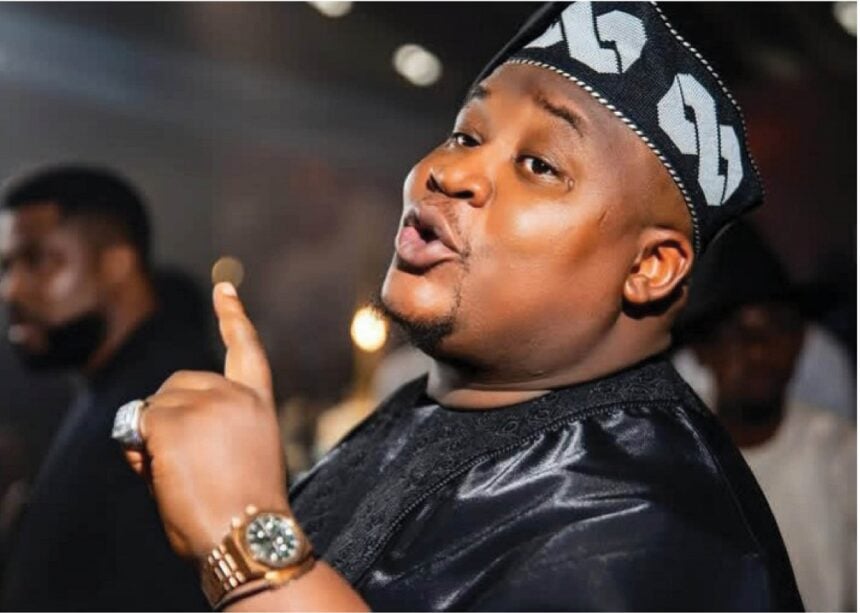
Nigerian businessman and social figure Pascal Okechukwu, popularly known as Cubana Chief Priest, has publicly declared that he will work against former presidential candidate Peter Obi in the 2027 general election.
The announcement, made during an exchange with followers on social media, represents a noticeable shift from his earlier political alignment and has since sparked intense debate across Nigeria’s digital and political spaces.
In a direct response to a question from an online follower asking whether he intended to oppose Obi in 2027, the celebrity entrepreneur answered affirmatively. He added that supporting Obi in the previous election cycle was not a crime and reminded critics that he had actively backed him in the past. His blunt confirmation quickly went viral, drawing mixed reactions from supporters and critics alike.
The development is significant because Cubana Chief Priest was previously perceived as sympathetic to Obi’s political movement during the 2023 elections. At that time, he used his platform to engage young Nigerians and participated in conversations that energized segments of the electorate. His recent declaration suggests a clear political realignment as conversations around 2027 begin to intensify.
Although he did not provide an in-depth explanation for his change in stance, observers point to his increasing association with groups aligned with the current administration as a possible indicator of where his support may now lie. In recent months, his public engagements and messaging have appeared more closely aligned with pro-government narratives, fueling speculation about his evolving political interests.
The reaction online was swift. Many supporters of Peter Obi expressed disappointment, describing the shift as surprising and inconsistent. Some argued that public figures who influence millions of followers should maintain clarity and stability in their political positions. Others questioned whether the move was motivated by personal, strategic, or business considerations.
Critics of Cubana Chief Priest also brought up his past encounter with Nigeria’s anti-graft agency, suggesting that his alignment with political power might be strategic. In response, he adopted a defiant tone, dismissing the criticism and implying that public scrutiny often accompanies prominence and success in Nigeria. His remarks further fueled the online debate, as social media users dissected both his statement and his attitude toward critics.
The conversation soon expanded beyond the personality involved and shifted toward broader political themes. Some commenters linked the issue to regional politics, particularly in the South-East, where Peter Obi maintains strong grassroots support. Debates emerged over the influence of prominent figures from the region and whether their political unity or division could impact future election outcomes. The celebrity businessman pushed back against arguments suggesting regional loyalty should dictate political choices, encouraging individuals to support whoever aligns with their personal convictions.
According to Top Society, the episode highlights the growing intersection between celebrity culture and politics in Nigeria. Over the past decade, entertainers, entrepreneurs, and social media influencers have become increasingly vocal about political matters. Their endorsements, criticisms, and online engagements often shape narratives, especially among younger demographics who consume news primarily through digital platforms.
However, analysts note that while celebrity statements can generate attention and online traction, their direct impact on actual voter behavior remains uncertain. Elections in Nigeria are influenced by a complex mix of factors including party structures, grassroots mobilization, economic conditions, regional alliances, and policy credibility. Social media momentum does not always translate into ballot-box outcomes.
Peter Obi, who is widely expected to contest again in 2027, remains a prominent opposition figure with a loyal support base. His campaign style in previous elections emphasized youth engagement, accountability, and economic reform. Meanwhile, political actors aligned with the current administration are working to consolidate support and strengthen alliances ahead of the next electoral cycle. In this context, public declarations such as Cubana Chief Priest’s add another layer to the unfolding political landscape.
For many Nigerians, the real takeaway from the controversy is not simply about one celebrity’s political preference, but about the fluid nature of alliances in the country’s democratic process. Political loyalties often evolve as circumstances change, and public figures like politicians themselves may adjust their positions in response to shifting realities.
As 2027 approaches, more influencers, business leaders, entertainers, and civic voices are expected to openly declare their political leanings. These declarations will likely continue to dominate online discussions, spark regional debates, and contribute to the broader national conversation about leadership and direction.
Whether Cubana Chief Priest’s stance will significantly influence public opinion remains to be seen. What is certain, however, is that his statement has reignited discussions about loyalty, influence, and the growing power of digital platforms in shaping Nigeria’s democratic journey.
With the political season gradually building momentum, moments like this serve as reminders that in modern Nigerian politics, conversations do not begin at campaign rallies alone they often start with a single post, a comment, or a declaration that captures national attention.

