





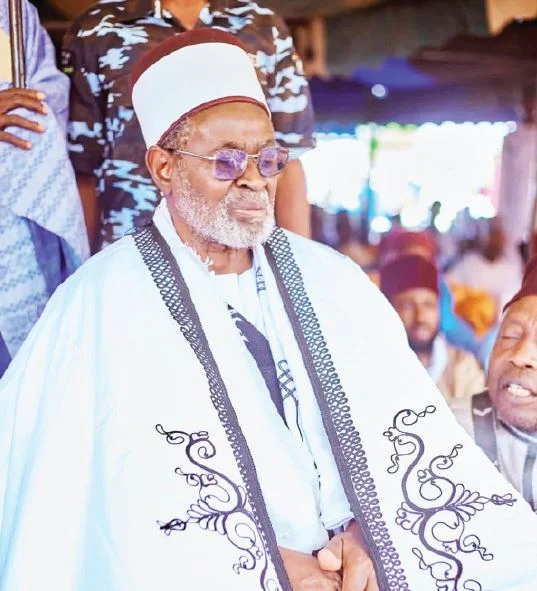
The Emir of Potiskum in Yobe State, Alhaji Umaru Bubaram Ibn Wuriwa Bauya, has identified the diversity of the Nigerian people as the country’s greatest assets, stressing that national leaders must see themselves as parents to every citizen regardless of ethnic, religious or political affiliations.
Speaking yesterday on the state of the nation, he charged governments at all levels to tackle poverty, injustice and other socio-economic factors fuelling conflicts across the country.
“Nigeria is a complex and beautifully diverse country, blessed with over three hundred ethnic groups, each with its own customs and languages. Diversity should never be viewed as a weakness. It is our greatest strength. Every Nigerian deserves to feel a sense of belonging, which inherently inspires public cooperation for national development,” he said.
Ibn Wuriwa Bauya went on to assert that “a national leader must act like a good parent, listening to every child without discrimination, correcting mistakes with wisdom and ensuring everyone feels valued.
“When leaders put the welfare of the citizenry above personal interests, the nation will make meaningful progress,” he stated.
He urged Nigerian leaders to adopt a more inclusive approach to addressing the current security challenges in the country, asserting that military operations alone cannot resolve insecurity.
“Insecurity cannot be solved by force alone. Leaders must address the underlying socioeconomic causes of conflict with sincerity and justice,” he said.
The Emir of Potiskum, while highlighting the role of traditional institutions in promoting peace and preventing communal conflicts, said, “Because we live among the people, we understand their challenges firsthand. This uniquely positions us to advise the government, facilitate peaceful dialogue and resolve local issues before they escalate.
“Traditional rulers must champion community development, promote education, support economic activities and foster peace,” he insisted.
He therefore urged both political and traditional leaders to govern with a sense of justice, accountability, and sincerity, saying history would ultimately judge leaders by the positive impact they leave on their people rather than the offices they occupy.

