





Thousands of Nigerian pilgrims participating in the 2026 Hajj exercise have begun the important journey from Madinah to Makkah as preparations for the main pilgrimage rites continue in Saudi Arabia.
The movement marks a major stage in the annual spiritual exercise, bringing worshippers closer to the heart of the Hajj pilgrimage and the holy city of Islam.
The transfer of pilgrims from Madinah started under the supervision of Saudi authorities and officials of the National Hajj Commission of Nigeria, commonly known as NAHCON. Pilgrims are being transported in batches through coordinated bus arrangements designed to ensure safety, orderliness, and comfort during the long trip between the two holy cities.
For many Nigerian Muslims, the journey represents the fulfillment of a lifelong spiritual dream. Pilgrims from different states across Nigeria had arrived in Madinah days earlier, where they spent time praying at the Prophet’s Mosque and visiting important Islamic historical sites connected to the life of Prophet Muhammad.
Religious leaders accompanying the pilgrims described the atmosphere in Madinah as emotional and spiritually uplifting. Many pilgrims reportedly spent their days in prayers, reflection, and religious devotion while preparing mentally and spiritually for the next stage of the pilgrimage.
Officials overseeing the exercise said the movement to Makkah was progressing smoothly with proper security and health measures already in place. Nigerian authorities also assured families back home that arrangements had been made to address transportation, accommodation, feeding, and medical support throughout the pilgrimage period.
According to officials, the transportation schedule was carefully organized to avoid overcrowding and confusion, especially considering the large number of international pilgrims currently arriving in Saudi Arabia from different parts of the world. Pilgrims were instructed to remain patient, obey officials, and keep their travel documents secure during the transition process.
The Hajj pilgrimage is regarded as one of the five pillars of Islam and is compulsory for every financially and physically capable Muslim at least once in their lifetime. Each year, millions of Muslims from around the world travel to Saudi Arabia to participate in the spiritual gathering, making it one of the largest annual religious events globally.
For Nigerian pilgrims, the experience often carries deep personal meaning beyond religion alone. Many spend years saving money and preparing emotionally for the opportunity to perform the sacred rites. Some pilgrims travel on behalf of deceased family members, while others see the pilgrimage as a chance for spiritual renewal and forgiveness.
Several pilgrims interviewed before departing Madinah expressed gratitude for reaching the holy land safely despite economic difficulties and rising travel costs. Some described the experience as overwhelming, saying they felt privileged to witness places they had only read about throughout their lives.
Religious scholars accompanying the pilgrims have also continued organizing lectures and guidance sessions to educate worshippers about the proper performance of Hajj rituals. These teachings cover important aspects of the pilgrimage including prayers, conduct, health precautions, and the significance of various religious activities pilgrims will perform in Makkah and surrounding holy sites.
Health officials traveling with the Nigerian delegation have advised pilgrims to stay hydrated due to the intense Saudi Arabian heat. Pilgrims were also encouraged to follow medical instructions, avoid overcrowded areas where possible, and immediately report any health concerns to medical teams stationed within Nigerian camps.
Security remains another major concern during every Hajj season because of the enormous crowds involved. Saudi authorities have reportedly increased surveillance, crowd management systems, and emergency response measures to ensure a smooth pilgrimage. Nigerian officials praised the level of coordination so far, noting that the welfare of pilgrims remains a top priority.
Meanwhile, families of pilgrims in Nigeria continue following developments closely through updates from officials, social media posts, and phone conversations with loved ones abroad. In several Nigerian communities, special prayers have been organized for the safety and successful completion of the pilgrimage by those currently in Saudi Arabia.
The economic dimension of the Hajj has also attracted attention this year. Rising foreign exchange costs and inflation reportedly affected pilgrimage expenses for many Nigerians. Despite the financial challenges, thousands still managed to participate in the exercise, reflecting the deep religious importance attached to the pilgrimage.
Some Islamic organizations in Nigeria commended government agencies for efforts made in coordinating this year’s Hajj operations. However, they also urged authorities to continue improving accommodation standards, transportation systems, and communication channels for future exercises.
Observers say Nigeria remains one of Africa’s largest contributors to the annual Hajj pilgrimage, with pilgrims traveling from nearly every state of the federation. The diversity of languages, cultures, and traditions among Nigerian pilgrims often reflects the country’s broad Islamic heritage and population size.
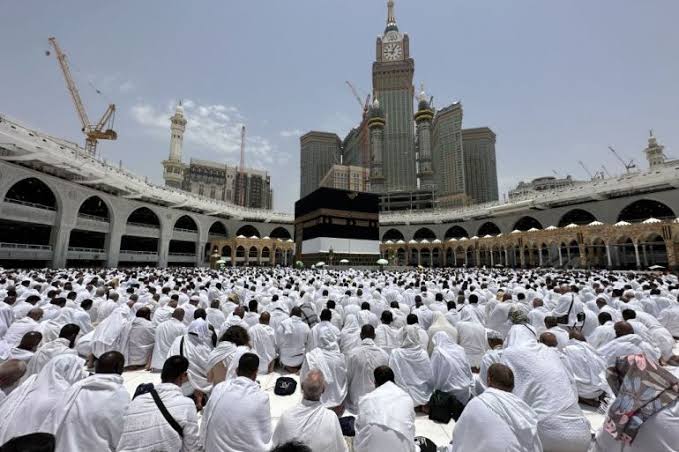
As the pilgrims settle into Makkah, attention will gradually shift toward the major rites of Hajj, including Tawaf around the Kaaba, prayers at Mina, the symbolic stoning ritual at Jamarat, and the gathering at Mount Arafat, which is considered one of the most spiritually significant moments of the pilgrimage.
Islamic scholars describe the day of Arafat as the climax of Hajj because pilgrims gather in prayer and repentance, seeking mercy and forgiveness from Allah. Many Muslims believe sincere prayers made during this stage hold special spiritual significance.
For first-time pilgrims especially, arriving in Makkah is often described as an unforgettable emotional moment. The sight of the Kaaba, Islam’s holiest structure, frequently moves worshippers to tears as they begin the core rites of the pilgrimage.
Nigerian officials have continued urging pilgrims to represent the country positively through discipline, patience, and respect for Saudi regulations. Pilgrims were reminded to avoid actions that could disrupt public order or create unnecessary difficulties for authorities managing the massive gathering.
As the 2026 Hajj exercise continues, hopes remain high that Nigerian pilgrims will complete the sacred journey peacefully and return home safely to reunite with their families. For millions of Muslims watching from Nigeria, the pilgrimage serves not only as a religious obligation but also as a symbol of faith, sacrifice, unity, and devotion.
The movement from Madinah to Makkah may appear like a routine travel exercise on the surface, but for the pilgrims involved, it represents a deeply spiritual transition toward one of the most sacred experiences in Islam. With prayers, anticipation, and faith guiding their journey, Nigerian pilgrims now move closer to fulfilling one of the most important religious duties of their lives.

