



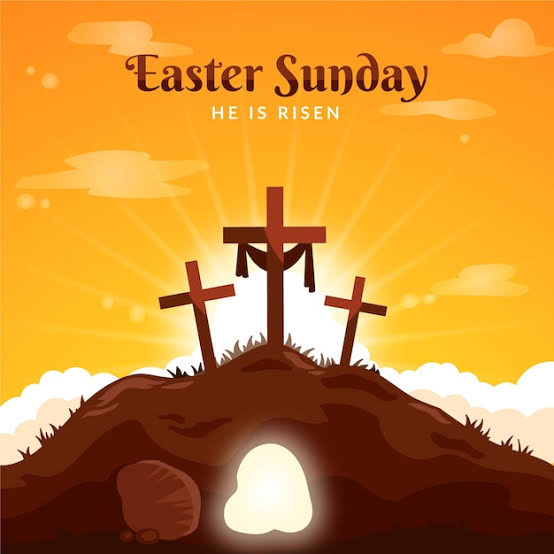
For Christians around the world, Easter stands as the most significant event in the faith, marking the resurrection of Jesus Christ after His crucifixion.
It is not merely a day of celebration but the culmination of a long and deeply spiritual journey that begins weeks earlier with a period of fasting, reflection, and devotion known as Lent. This sacred season, lasting approximately 40 days, mirrors the time Jesus is believed to have spent fasting in the wilderness, resisting temptation and preparing for His ministry.
The number 40 holds profound biblical significance, appearing repeatedly in scripture as a symbol of testing, trial, and spiritual preparation. During Lent, many Christians choose to fast, pray more intensely, and give up certain pleasures or habits as a form of discipline and sacrifice. It is a time for repentance and renewal, encouraging believers to turn away from distractions and refocus on their relationship with God. While practices vary across denominations, the essence remains the same: a journey inward that prepares the faithful for the joy of Easter.
For members of the Catholic Church, the Lenten season is particularly structured and intense. It is marked not only by fasting and abstinence but also by a rich calendar of liturgical events that guide believers step by step through the final days of Jesus’ life. The last week of Lent, known as Holy Week, is especially significant and is filled with symbolic ceremonies and traditions that bring the story of Christ’s suffering and resurrection to life.
Holy Week begins with Palm Sunday, commemorating Jesus’ triumphant entry into Jerusalem, where crowds welcomed Him with palm branches. This moment of celebration quickly gives way to a more somber tone as the week progresses. Maundy Thursday recalls the Last Supper, where Jesus shared a final meal with His disciples and instituted the practice of Holy Communion. Good Friday follows, a day of mourning that commemorates His crucifixion and death. Churches often hold solemn services, and many believers observe fasting or silence in reflection on the sacrifice made.
For Catholics especially, these days are filled with continuous activities Masses, processions, reenactments, and vigils each designed to deepen spiritual awareness and connection. The intensity of participation reflects a belief that faith is not just something to be thought about but something to be lived and experienced fully.
The journey reaches its peak with the Easter Vigil, held on the night before Easter Sunday. This is one of the most important and symbolic services in the Christian calendar. It often begins in darkness, representing the world before Christ’s resurrection, and gradually transitions into light as candles are lit, symbolizing the triumph of life over death and light over darkness. Scriptures are read recounting God’s work throughout history, leading up to the resurrection story. For many, it is a powerful and emotional experience.
Easter Sunday itself is a day of great joy and celebration. Churches are filled with music, flowers, and vibrant decorations, reflecting the triumph of Jesus over death. The resurrection is seen as the foundation of Christian faith—the ultimate proof of hope, redemption, and eternal life. It is a message that resonates deeply with believers: that suffering is not the end, and that new life is always possible.
Beyond the religious rituals, Easter also carries cultural and social significance in many parts of the world. Families gather, meals are shared, and traditions such as exchanging gifts or wearing new clothes symbolize renewal and fresh beginnings. However, at its core, Easter remains a deeply spiritual event, rooted in the story of sacrifice and victory.
The contrast between the solemnity of Lent and the joy of Easter is intentional and meaningful. The weeks of fasting and reflection make the celebration of resurrection more profound. Without the discipline and sacrifice of Lent, the significance of Easter could be diminished. Together, they form a complete narrative, a journey from hardship to hope, from death to life.
In today’s fast-paced world, where distractions are constant and time for reflection is limited, the Lenten and Easter seasons offer a rare opportunity for pause and introspection. They invite believers to step back, reassess their lives, and reconnect with their faith on a deeper level. Whether through fasting, prayer, or participation in church activities, the journey is both personal and communal, uniting millions of Christians across different cultures and traditions.
Ultimately, Easter is more than a historical event or a religious holiday. It is a powerful reminder of resilience, faith, and the promise of renewal. For Christians, the resurrection of Jesus is not just something to remember, it is something to live by, shaping how they see the world and their place in it. And after 40 days of spiritual preparation, its message arrives not just as a celebration, but as a deeply felt transformation.