






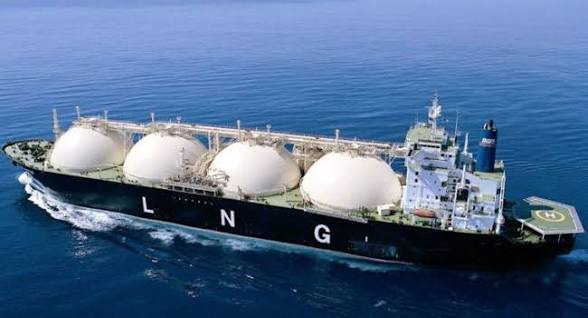
A recent diversion of a Nigerian liquefied natural gas (LNG) shipment to Asia has drawn attention to the shifting dynamics of the global energy market, where price fluctuations continue to influence trade routes and supply decisions.
The cargo, originally expected to serve a different destination, was redirected after buyers in Asian markets offered significantly higher prices. This move reflects a growing trend in the global LNG trade, where suppliers increasingly prioritize markets that promise better financial returns, especially during periods of heightened demand.
Industry analysts note that Asia has remained one of the largest consumers of LNG, with countries in the region relying heavily on imports to meet their energy needs. Seasonal demand, economic recovery, and ongoing energy security concerns have contributed to rising prices, making the region particularly attractive to exporters. As a result, suppliers such as Nigeria are adjusting their strategies to maximize revenue in a competitive global market.
The decision to divert the cargo underscores the flexibility of LNG supply chains compared to other energy resources. Unlike pipeline gas, LNG can be transported by sea and redirected mid-journey, allowing sellers to respond quickly to market conditions. This adaptability has become increasingly important as global energy demand continues to fluctuate due to geopolitical tensions, weather patterns, and economic shifts.
For Nigeria, the development highlights both opportunity and challenge. On one hand, higher global prices present a chance to boost foreign exchange earnings, which are crucial for the country’s economy. Increased revenue from LNG exports can support government spending, infrastructure development, and economic stability.
On the other hand, frequent diversions to more profitable markets may raise concerns among traditional buyers and domestic stakeholders.
Some experts warn that prioritizing international profits could affect long-term supply agreements or reduce availability for local consumption, particularly if not carefully managed.
The global LNG market has experienced significant volatility in recent years, driven by factors such as supply disruptions, changing environmental policies, and competition among major exporters.
Countries like Qatar, the United States, and Australia continue to play dominant roles, while emerging suppliers like Nigeria seek to expand their footprint and remain competitive.
Energy economists emphasize that price-driven cargo diversion is a normal feature of liberalized energy markets. However, they also stress the importance of balancing commercial interests with strategic considerations, including maintaining stable trade relationships and ensuring energy security at home.
The development also highlights the growing interconnectedness of global energy systems. A surge in demand or price in one region can quickly influence supply patterns across continents, affecting everything from shipping routes to national revenues. In this context, Nigeria’s LNG sector remains a key player in the international energy landscape.
As global demand for cleaner energy sources increases, LNG is expected to play a critical role as a transition fuel.
This places Nigeria in a strategic position to benefit from future market growth, provided it continues to invest in infrastructure, improve production capacity, and maintain reliable export systems.
While the diverted cargo represents a single transaction, it reflects broader trends shaping the energy industry. For Nigeria, the challenge will be to navigate these changes effectively leveraging opportunities for economic gain while ensuring sustainable and balanced energy policies for the future.

