



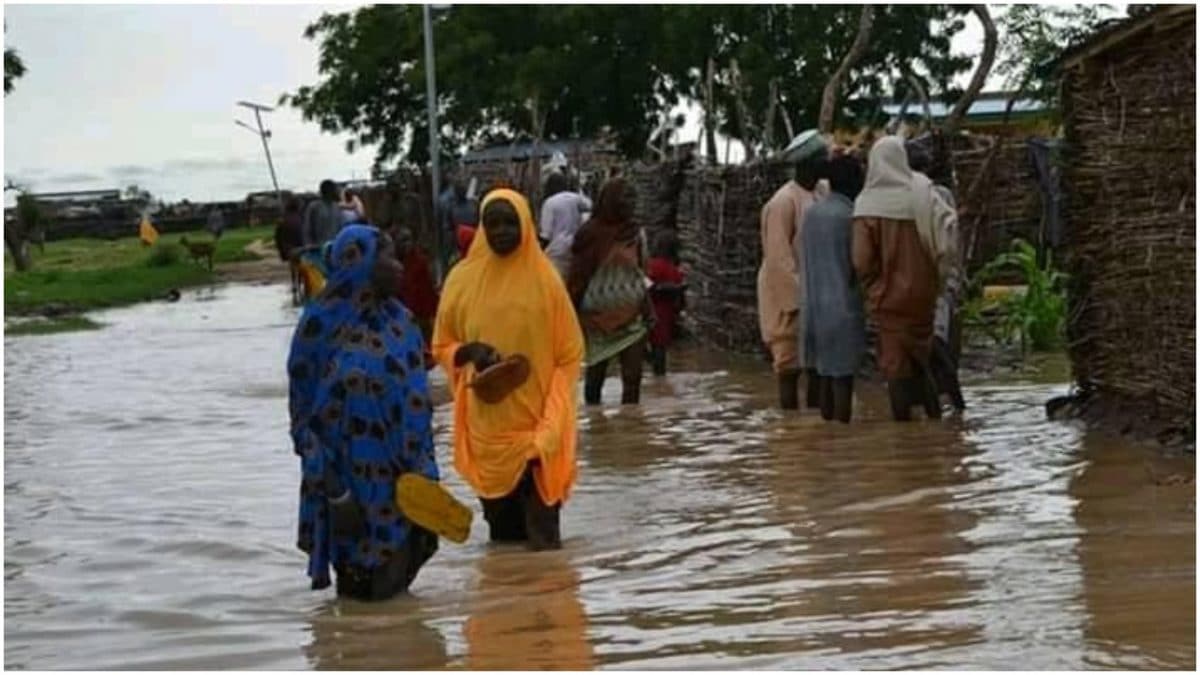
The National Emergency Management Agency (NEMA) has issued a fresh warning to residents of Kebbi State over the possibility of severe flooding and prolonged dry spells as the 2026 rainy season approaches.
The agency called on communities, farmers, local authorities, and emergency response agencies to immediately begin precautionary measures to reduce potential damage to lives, property, and agricultural activities.
The warning followed the release of seasonal climate predictions by relevant weather and hydrological agencies, which identified Kebbi among states likely to experience heavy rainfall patterns capable of triggering floods, while also facing periods of extended dry spells that could negatively affect farming and water supply.
According to NEMA, the forecast indicates that several parts of Kebbi State are vulnerable to above-normal rainfall, particularly in flood-prone communities located along riverbanks and low-lying areas. These areas face heightened risks of overflow from rivers and poor drainage systems that could lead to displacement of residents and destruction of homes and farmlands.
The agency also warned that a possible dry spell lasting several weeks could occur during the peak growing season, posing additional threats to crop survival and food production. Experts say such unpredictable weather patterns have become increasingly common due to climate change, placing pressure on agricultural communities across northern Nigeria.
NEMA officials stressed that the combination of flood risk and dry spell threats creates a complicated challenge for Kebbi residents, especially farmers who depend heavily on seasonal rainfall for cultivation. They warned that failure to prepare adequately could result in major economic losses and food insecurity in affected areas.
Speaking during an emergency preparedness briefing, NEMA representatives urged local councils and traditional leaders to intensify public awareness campaigns and ensure residents understand the risks associated with the coming rainy season.
The agency advised residents living in flood-prone communities to clear blocked drainage channels, avoid dumping waste into waterways, and remain alert to official weather updates and evacuation notices when necessary. Communities were also encouraged to identify safe shelters and develop local emergency response plans.
Farmers were specifically advised to adopt climate-smart agricultural practices, including planting drought-resistant crop varieties, diversifying planting schedules, and using water-conservation methods to minimise possible losses during dry periods.
Agricultural extension officers have also been mobilised to educate rural farmers on weather adaptation strategies and modern irrigation techniques that can reduce dependence on unpredictable rainfall patterns.
The Kebbi State Government has assured residents that it is working closely with NEMA and other relevant agencies to strengthen disaster preparedness across the state. Officials say efforts are already underway to desilt drainage systems, monitor high-risk river channels, and position emergency response materials in vulnerable local government areas.
State authorities also pledged to improve communication channels so that early warning alerts reach remote communities in time for preventive action.
Over the years, Kebbi has experienced repeated flood disasters that destroyed farmland, displaced families, and disrupted local economic activities. In several previous rainy seasons, entire communities were submerged after heavy rainfall caused rivers to overflow their banks.
These recurring incidents have raised concerns among environmental experts, who warn that without stronger infrastructure and climate adaptation policies, flood-related disasters may become even more severe in the future.
Experts have called for long-term investment in flood control systems, improved urban planning, and stronger enforcement against illegal construction on natural waterways.
They also stress the importance of integrating climate resilience into agricultural planning to protect food production and rural livelihoods.
Residents across affected communities have reacted to the warning with mixed feelings. While many welcomed the early notice as helpful, others expressed concern about whether enough practical support would be provided to help vulnerable households prepare adequately.
Some farmers called on both federal and state authorities to provide subsidised seeds, irrigation equipment, and emergency relief materials ahead of the rainy season.
Community leaders have also urged residents not to ignore the warning, noting that past experiences have shown that delayed response often worsens the impact of natural disasters.
As the 2026 rainy season draws closer, all eyes are now on preparedness efforts across Kebbi State. The warning from NEMA serves as a timely reminder that proactive action remains the most effective defence against the growing threat of climate-related disasters.
For residents, the message is clear: preparation today could prevent tragedy tomorrow. The coming months will test the state’s readiness and resilience as it faces the twin risks of flooding and prolonged dry spells.