






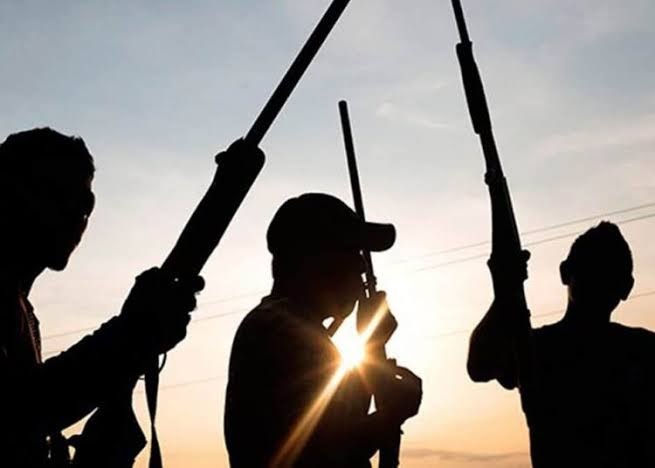
Fear and outrage have spread across parts of northern Nigeria following a coordinated attack in which gunmen abducted more than 150 worshippers from three different churches during Sunday services.
The incident, which occurred in a rural community in Kaduna State, has once again drawn attention to the worsening security situation in parts of the country, especially in areas where armed groups operate with little resistance.
According to community accounts, the attackers stormed the churches almost simultaneously while worshippers were gathered for prayer. The gunmen, reportedly heavily armed, arrived on motorcycles and fired shots into the air to create panic before forcing congregants to follow them into nearby forests. Men, women, and youths were taken, leaving behind traumatised families and deserted church buildings.
Local leaders said the scale of the abduction was overwhelming, with initial figures suggesting that more than 170 people were missing. While a small number of worshippers later managed to escape or were released under unclear circumstances, well over 150 people are still believed to be in captivity. The victims are said to include elderly church members and young people who had attended services hoping for a peaceful day of worship.
Residents described the attack as one of the most devastating the community has experienced in recent years. Many villagers fled their homes after the incident, fearing further assaults. Churches in neighbouring areas reportedly suspended services, while parents rushed to retrieve children from boarding schools and relatives living nearby.
This latest abduction adds to a growing pattern of mass kidnappings in northern Nigeria, where armed criminal groups, often referred to locally as bandits, have increasingly targeted civilians. Churches, schools, highways, and farming communities have all come under attack, with kidnappings frequently carried out for ransom. In many cases, victims are held for weeks or even months, and families are forced to sell property or crowdsource funds to secure their release.
Community leaders have expressed frustration over what they describe as inadequate security presence in rural areas. They argue that vast forested regions provide safe havens for armed groups, allowing them to plan and execute attacks with little fear of immediate intervention. Calls have intensified for stronger security patrols, improved intelligence gathering, and closer collaboration between federal authorities and local vigilante groups.
Religious leaders have also condemned the attack, describing it as an assault not only on innocent citizens but on the right to worship freely. They have urged the government to treat the incident with urgency and ensure the safe return of all abducted worshippers. Some have warned that repeated attacks on places of worship could deepen fear and mistrust, further destabilising already fragile communities.
The abduction has sparked renewed debate about Nigeria’s broader security challenges, particularly in the northwest and north-central regions. Despite ongoing military and police operations, armed groups continue to exploit gaps in security coverage. Analysts note that poverty, unemployment, and weak local governance have contributed to the rise of these groups, making long-term solutions complex and difficult.
As families wait anxiously for news of their loved ones, pressure is mounting on authorities to act swiftly and decisively. For many Nigerians, the attack is a painful reminder that insecurity remains a daily reality, even in spaces meant for peace and reflection. Until meaningful progress is made in addressing the root causes of violence and strengthening protection for vulnerable communities, such tragedies risk becoming a recurring chapter in the nation’s story.

