






Fresh controversy has emerged in Plateau State after Fulani leaders strongly rejected calls for stricter enforcement of the state government’s security measures aimed at curbing violence linked to farmland destruction and recurring communal clashes.
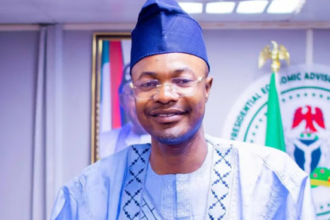
The latest dispute follows recent remarks by Governor Caleb Mutfwang, who vowed stronger action against anyone found damaging farmlands or participating in attacks that have left several rural communities in fear.
The state government’s tough posture is part of broader efforts to restore calm after renewed unrest across parts of Plateau, where disputes over land use and grazing rights have repeatedly sparked violence.
But Fulani representatives say the approach raises serious concerns and could inflame already fragile relations between communities if not handled carefully.
The coalition argues that while criminal activity should never be tolerated, any enforcement strategy must remain balanced and lawful. According to the group, language suggesting extreme force risks creating tension and fear, especially in areas where accusations between herders and farmers often escalate into wider conflict.
The group insists that security responses must not appear targeted at one ethnic community, warning that this could damage efforts to rebuild trust among affected populations.
For decades, Plateau has faced persistent conflict rooted in disagreements over land ownership, farming access, grazing routes, and deep historical grievances between ethnic groups. Entire communities have suffered repeated attacks, loss of property, displacement, and economic hardship as cycles of violence continue to return despite multiple peace efforts.
Farmers across affected local government areas have often accused armed herders of invading cultivated land and destroying crops, sometimes just before harvest season. Such incidents have left many families facing heavy financial losses and food insecurity.
At the same time, Fulani communities have also reported attacks on grazing settlements, cattle theft, and alleged discrimination in local conflict resolution processes.
This pattern of competing accusations has made peacebuilding extremely difficult, with both sides claiming they are victims of neglect and injustice.
Fulani leaders say their concern is not about shielding criminals but ensuring that innocent people are not placed at risk because of broad security declarations.
They argue that genuine peace can only come through equal treatment before the law and proper investigations that hold individuals accountable without assigning blame to entire communities.
Security analysts familiar with Plateau’s recurring unrest say the crisis reflects deeper structural failures that cannot be solved by force alone.
They point to unresolved land disputes, weak local mediation systems, poor intelligence gathering, and political interference as major factors driving repeated instability.
Several peace agreements brokered over the years have delivered temporary calm, but most eventually collapsed after fresh attacks reopened old wounds and reinforced suspicion among neighboring groups.
Observers say stronger security operations may bring immediate relief in some flashpoint areas, but lasting peace will depend on addressing the root causes of conflict.
This includes fair compensation for victims, transparent prosecution of offenders, stronger community dialogue, and practical reforms that clarify land use rights for both farmers and herders.
Across Plateau, many residents remain anxious as tensions continue to rise.
Traditional rulers and faith leaders have appealed for restraint, urging all parties to avoid statements capable of provoking further hostility. Civil society groups have also called on the federal government to increase neutral security monitoring while supporting fresh reconciliation efforts.
For many families who have endured years of violence, the hope is for solutions that go beyond emergency orders and political declarations.
They want sustainable peace built on justice, accountability, and trust rather than responses that could deepen fear and division.
As debate continues over the state’s hardline security posture, the situation once again exposes the difficult challenge of maintaining order while preserving fairness in one of Nigeria’s most sensitive conflict zones.
How authorities respond in the coming weeks may shape whether Plateau moves closer to stability or slips further into another painful cycle of unrest.

