




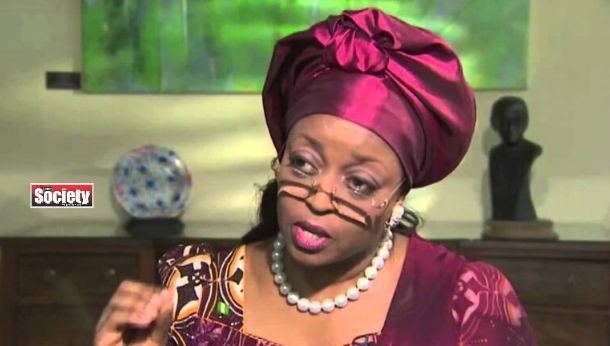
Former Nigerian Minister of Petroleum Resources, Diezani Alison-Madueke, is facing trial in the United Kingdom over allegations of bribery and corruption linked to her time in office between 2010 and 2015, a development that has renewed public interest in one of Nigeria’s most talked-about oil sector cases.
UK prosecutors allege that Alison-Madueke used her position at the helm of Nigeria’s petroleum industry to receive valuable gifts and benefits from oil industry figures seeking favourable treatment. According to the charges, these benefits allegedly included luxury items, financial rewards, and the use of a private jet, offered in exchange for influence over key oil related decisions and contracts.
Authorities claim the former minister played a significant role in arrangements that allowed certain companies and individuals to gain preferential access within Nigeria’s oil sector, an industry that remains central to the nation’s economy. Investigators say the alleged actions weakened transparency and fairness in the allocation of oil assets during that period.
Alison Madueke has strongly denied the accusations, insisting that she did not abuse her office or receive improper benefits while serving as minister. Her legal team is expected to challenge the claims in court, maintaining that the allegations do not reflect the reality of her conduct in public service.
The trial has drawn attention both in Nigeria and internationally, highlighting ongoing efforts by global authorities to pursue complex corruption cases that cross national borders. It also underscores increasing cooperation between countries in investigating alleged financial crimes involving high profile public officials.
Alison Madueke served as oil minister under former President Goodluck Jonathan, a time when Nigeria’s oil industry faced persistent scrutiny over governance, revenue management, and accountability. The sector has long been criticised for opacity, despite its importance as a major source of national income.
The UK case follows years of investigations involving multiple jurisdictions, with prosecutors alleging that proceeds linked to the case were moved through international financial systems. These developments have kept the matter in the public eye, particularly among Nigerians concerned about the recovery of public funds and accountability in government.
As the legal process continues, reactions remain mixed. Some see the trial as a crucial step toward justice and transparency, while others stress the importance of allowing the courts to determine the facts without prejudice.
The outcome of the case could have far-reaching implications, shaping perceptions of anti-corruption efforts and reinforcing the principle that public office holders can be called to account, regardless of status or borders.

