





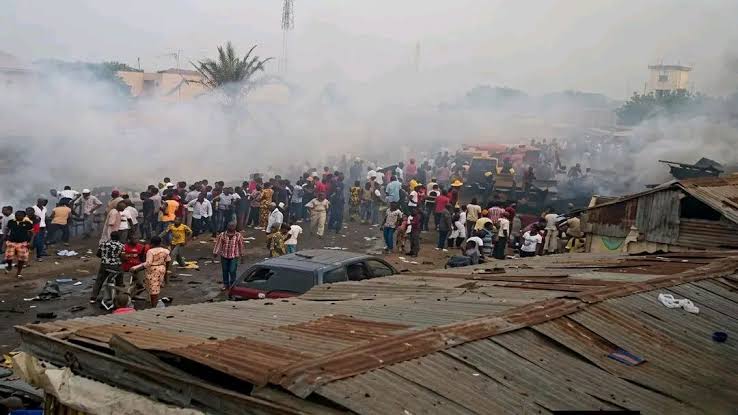
The Nigerian government has ordered a full investigation into a deadly airstrike in Jilli village, located in Yobe State, following reports that over 100 to 200 people may have been killed during a military operation targeting insurgents.
According to initial accounts, the airstrike was carried out as part of ongoing counterterrorism efforts in northeastern Nigeria, a region long affected by violent insurgency linked to groups such as Boko Haram and its splinter factions. Military officials have maintained that the operation was aimed at neutralizing suspected terrorist elements believed to be operating within or around the area.
However, emerging reports from local residents and humanitarian sources suggest that a significant number of civilians may have been caught in the strike. Eyewitnesses described scenes of destruction in the village, with homes damaged and many casualties reported, raising serious concerns about the accuracy of the intelligence used and the conduct of the operation.
In response to the growing outcry, the federal government announced that a probe has been initiated to determine what exactly transpired. Authorities say the investigation will assess whether proper procedures were followed and if there were any lapses in intelligence gathering or operational execution.
Military spokespersons have defended the broader campaign against insurgency, emphasizing the challenges of operating in areas where armed groups often blend into civilian populations. They reiterated that efforts are made to minimize civilian harm, but acknowledged that incidents like this, if confirmed, are deeply troubling.
Human rights organizations and civil society groups have called for transparency and accountability, urging the government to ensure that the findings of the investigation are made public. Some have also demanded compensation and support for victims and affected families, stressing the importance of rebuilding trust between local communities and security forces.
This incident adds to a series of controversial air operations in Nigeria’s conflict zones, where the balance between aggressive counterterrorism measures and civilian protection remains a delicate and often criticized issue.
As the investigation unfolds, many Nigerians are watching closely, hoping for clarity, justice, and measures to prevent such tragedies in the future.

