






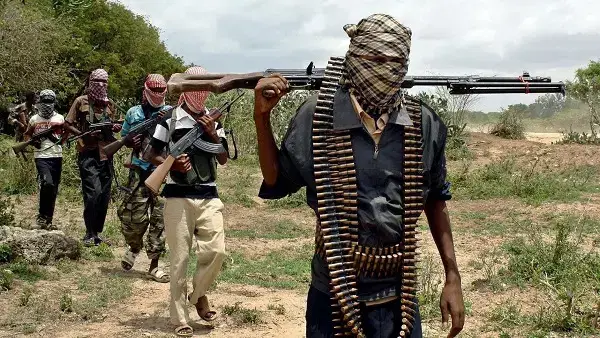
The recent attack on a passenger bus in Benue State, where gunmen abducted several students on their way to sit for examinations, is yet another painful reminder of a crisis that has steadily crept into the fabric of daily life in Nigeria.
While such incidents often generate brief waves of outrage and condemnation, they also expose a deeper, more troubling reality: insecurity in Nigeria is no longer an occasional disruption, it is becoming a defining feature of ordinary existence.
From a concerned and measured standpoint, it is important to resist the urge to treat this attack as an isolated tragedy. Instead, it should be understood as part of a broader pattern that continues to evolve, affecting not just remote communities but increasingly public spaces and essential routines. The victims in this case were not engaged in risky activity; they were students, traveling with purpose and hope, heading toward an examination that represents opportunity and progress. That such a journey could be violently interrupted speaks volumes about the current state of national security.
Across various regions, incidents involving kidnappings, highway ambushes, and targeted attacks on vulnerable groups have become more frequent. Highways, once considered lifelines of commerce and connection, are now viewed with caution. For many Nigerians, traveling by road involves a level of risk assessment that was previously reserved for conflict zones. Families now think twice before allowing their children to travel long distances, even for something as essential as education.
The implications of this growing insecurity extend far beyond the immediate victims. When students are abducted on their way to exams, the impact reverberates through the education system. Attendance drops, anxiety rises, and the fundamental promise of education as a pathway to a better future becomes uncertain. Parents are left weighing the value of education against the safety of their children, a dilemma that no society should impose on its citizens.
It is also important to consider the psychological toll. Repeated exposure to such incidents fosters a climate of fear and helplessness. Communities begin to normalize what should never be normal. Conversations shift from “how do we grow?” to “how do we stay safe?” This subtle but significant change in mindset can have long-term consequences for national development, as fear limits mobility, productivity, and innovation.
Government responses to these incidents often follow a familiar pattern. Security agencies are deployed, search operations are launched, and assurances are given. In the case of the Benue attack, authorities have reportedly initiated efforts to locate and rescue the abducted students. These actions are necessary and should not be dismissed. However, they are largely reactive, addressing the symptoms rather than the root causes of the problem.
A more sustainable approach requires a shift from reaction to prevention. This includes strengthening intelligence gathering, improving coordination among security agencies, and ensuring a visible security presence along major transportation routes. It also involves addressing underlying factors such as unemployment, poverty, and the proliferation of small arms, all of which contribute to the environment in which such crimes occur.
At the same time, communities themselves play a role in enhancing security. Local vigilance, timely reporting of suspicious activities, and cooperation with law enforcement can make a difference. However, it would be unfair to place the burden of security primarily on citizens. The responsibility ultimately lies with the state to provide a safe environment for its people.
Another dimension worth considering is the economic impact. Insecurity disrupts trade, discourages investment, and increases the cost of doing business. Transport companies may alter routes or reduce operations, leading to higher prices for goods and services. Over time, this creates a cycle in which economic hardship fuels further insecurity, making it even more difficult to break free from the pattern.
Despite these challenges, it is important to maintain a balanced perspective. Nigeria is a country with immense resilience and potential. There are ongoing efforts by various stakeholders, including government agencies, civil society organizations, and community leaders, to address the issue of insecurity. Progress may be slow, but it is not absent.
The key lies in consistency and accountability. Policies must be followed through, and those responsible for implementing them must be held to clear standards. Public trust, once eroded, takes time to rebuild. Transparent communication and visible results are essential in restoring confidence.
The attack in Benue should therefore serve as more than a headline. It should be a moment of reflection and a call to action—not driven by panic, but by a clear-eyed understanding of the situation. A concerned approach does not exaggerate or sensationalize; it acknowledges the seriousness of the problem while focusing on practical steps toward improvement.
In the end, the measure of a nation is not just in its ability to respond to crises, but in its capacity to prevent them. Ensuring that students can travel safely to sit for their exams is a basic expectation, one that speaks to the core responsibilities of governance. Until such expectations are consistently met, incidents like this will continue to cast a shadow over the country’s progress.
Nigeria stands at a critical point where the choices made today will shape the security landscape of tomorrow. Addressing insecurity requires patience, coordination, and a commitment to long-term solutions. It is a complex challenge, but not an insurmountable one.
What is needed is a collective resolve to ensure that the everyday lives of citizens are no longer defined by fear, but by opportunity and hope.

