






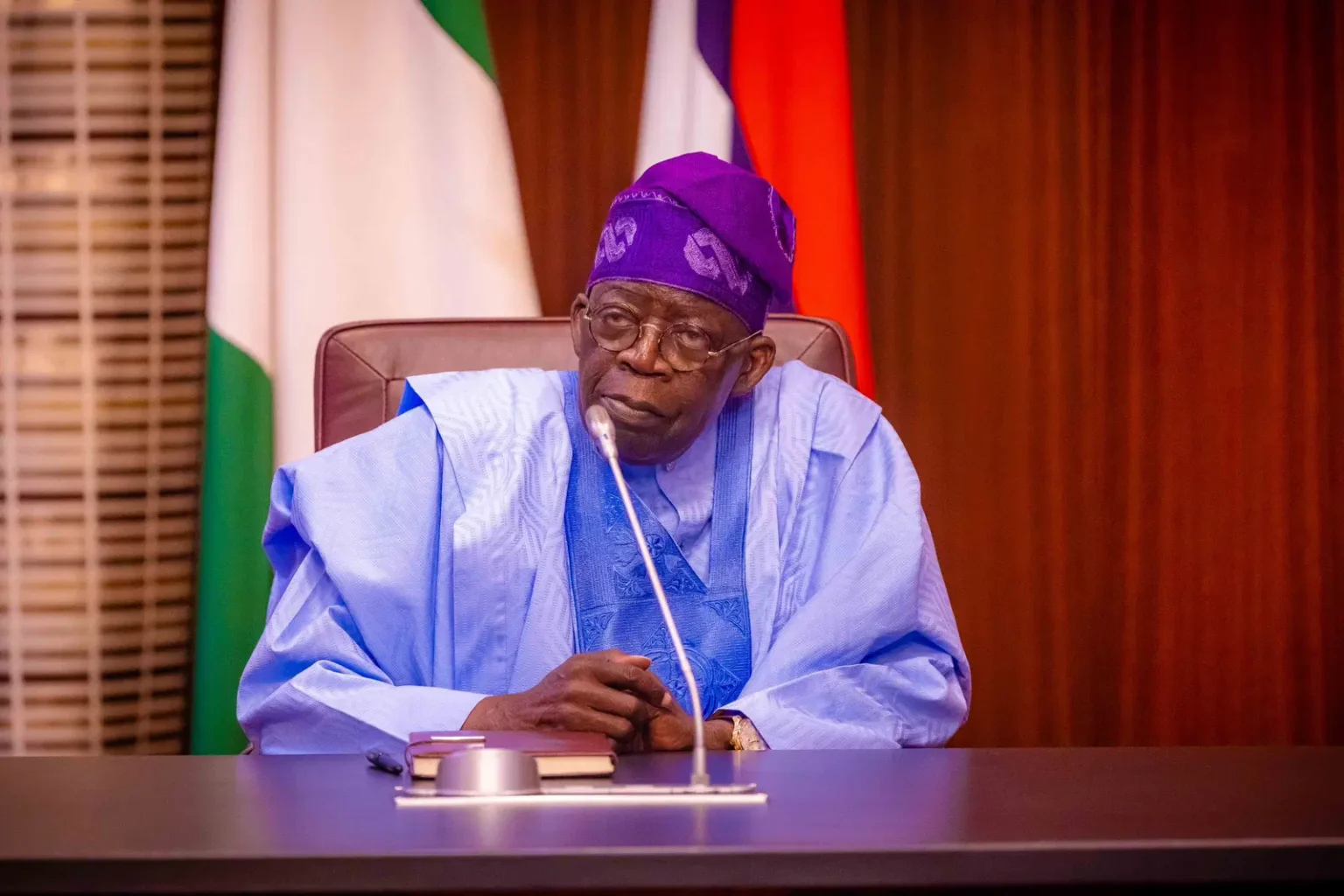
The President declared that Nigeria would not surrender to criminal elements, promising intensified efforts to restore peace, strengthen security institutions, and create a safer environment for economic growth and national development.
The assurance came during activities marking Democracy Day, where Tinubu emphasized that security remains one of the top priorities of his government. According to the President, the fight against terrorism and banditry is not merely a military operation but a national mission aimed at protecting citizens, preserving democracy, and securing the country’s future. He stressed that the government would continue deploying all necessary resources to ensure that criminal groups are defeated and communities across the nation can live without fear.
Represented by the Secretary to the Government of the Federation, Senator George Akume, at a National Inter-Denominational Church Service held in Abuja, Tinubu stated that Nigeria would never bow to terrorists, bandits, or any form of criminal intimidation. He assured Nigerians that ongoing security operations would be strengthened and coordinated to ensure lasting peace and stability.
The President acknowledged the pain and anxiety many Nigerians continue to face due to attacks, kidnappings, and other violent crimes. He noted that recent incidents across different parts of the country underscore the need for sustained action and greater collaboration among security agencies. According to him, protecting lives and property remains the foremost responsibility of government, and every effort is being made to ensure that citizens can go about their daily activities without fear.
Tinubu’s Democracy Day message comes at a time when concerns over insecurity remain high. Several regions of the country continue to grapple with threats posed by terrorists, armed bandits, kidnappers, and other criminal networks. Communities in parts of the North-West, North-East, and North-Central have witnessed repeated attacks that have displaced residents, disrupted farming activities, and affected local economies. These security challenges have also contributed to rising concerns among investors and development partners.
Recognizing the link between security and economic prosperity, the President stressed that no nation can achieve meaningful development in an atmosphere of fear and instability. He explained that insecurity hampers agricultural production, discourages investment, disrupts education, and weakens social cohesion. For this reason, his administration is pursuing a comprehensive strategy that combines military operations, intelligence gathering, technological support, and community engagement to address the root causes of violence.
Tinubu further assured Nigerians that the armed forces and other security agencies would continue receiving the support needed to carry out their responsibilities effectively. He praised members of the military and security services for their sacrifices in protecting the nation and maintaining peace under difficult circumstances. The President said the government remains committed to improving their operational capacity through better equipment, training, and welfare packages.
Beyond military action, Tinubu highlighted the importance of economic empowerment and social development as critical tools in the fight against insecurity. He argued that creating opportunities for young people, improving infrastructure, and expanding access to education and employment can help reduce the conditions that often fuel criminal activities. According to him, the administration’s broader development agenda is designed to complement security efforts by addressing underlying socio-economic challenges.
The President also called on Nigerians to remain united and support ongoing efforts to secure the country. He emphasized that defeating terrorism and banditry requires cooperation among federal, state, and local governments, traditional institutions, religious leaders, civil society organizations, and ordinary citizens. National security, he said, should not be viewed solely as the responsibility of government agencies but as a collective duty requiring vigilance and patriotism from all stakeholders.
Tinubu used the occasion to reflect on the significance of Democracy Day, describing it as a reminder of the sacrifices made by those who fought for democratic governance in Nigeria. He noted that democracy thrives when citizens can exercise their freedoms without fear, making security an essential pillar of democratic development. According to him, strengthening democratic institutions and ensuring public safety are interconnected objectives that must be pursued simultaneously.
The President expressed optimism that the country would overcome its security challenges despite current difficulties. He reiterated his confidence in the resilience of Nigerians and the capacity of state institutions to confront threats facing the nation. Drawing attention to ongoing reforms and security initiatives, Tinubu maintained that the government remains determined to achieve measurable progress in restoring peace and stability.
His message also included assurances that efforts to address economic hardship would continue alongside security interventions. Tinubu acknowledged the burden many families face due to inflation, unemployment, and other economic pressures, promising that ongoing reforms would eventually deliver relief and create a more prosperous future. He argued that sustainable economic growth and improved security are mutually reinforcing goals that must advance together.
As Nigerians commemorate another Democracy Day, the President’s pledge serves as a renewed commitment to confronting one of the nation’s most pressing challenges. While security concerns remain a source of anxiety for many citizens, Tinubu insists that his administration will persist in its efforts to defeat terrorism and banditry, secure communities, and strengthen confidence in the country’s democratic future.
The coming months will test the effectiveness of these commitments as Nigerians look forward to tangible improvements in security conditions across the federation. For millions of citizens, the ultimate measure of success will be seen not only in government declarations but in safer communities, reduced attacks, and the restoration of peace in areas long affected by violence. Until then, the President’s Democracy Day promise stands as a pledge to continue the fight against insecurity while pursuing a more stable and prosperous Nigeria.

