



The Nigerian Electricity Regulatory Commission (NERC) has announced a compensation framework for electricity customers under the Band A classification who experienced significant disruptions in power supply during a recent period of national electricity shortfall.
The directive is aimed at addressing service failures while reinforcing the principles of the service-based tariff system, which links electricity pricing to the quality and reliability of supply delivered to consumers.
Band A customers are considered the highest priority category in Nigeria’s electricity supply structure, as they are expected to receive a minimum of 20 hours of electricity daily. This classification was introduced under the service-based tariff regime to ensure that consumers who pay higher rates are guaranteed better and more consistent electricity supply compared to lower bands. However, recent operational challenges within the power sector led to widespread shortfalls, affecting the ability of distribution companies to maintain the required service level across several feeders designated as Band A.
According to the regulatory directive issued by Nigerian Electricity Regulatory Commission, the affected period recorded a noticeable decline in electricity generation and distribution capacity. These disruptions were largely attributed to systemic issues such as limited gas supply to power plants, transmission bottlenecks, and technical faults within parts of the national grid. As a result, several Band A feeders failed to deliver the expected hours of electricity, leaving customers with reduced supply over a sustained period.
The commission emphasized that the shortfall was not due to customer-related consumption behavior or misuse of electricity infrastructure, but rather external constraints affecting the broader power supply chain. This distinction was important in determining the regulatory response, as it confirmed that the affected customers should not be penalized for failures outside their control.
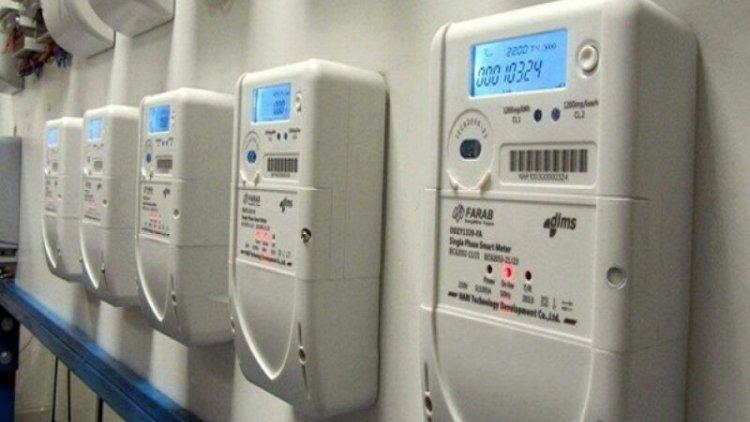
Under the compensation plan, customers who experienced reduced supply will receive credits or adjustments equivalent to the energy not delivered during the affected period. The mechanism for compensation differs depending on the billing system used by consumers. For prepaid customers, the adjustment will come in the form of energy credits added to their meters, allowing them to consume additional units of electricity without extra payment. For postpaid customers, the compensation will be reflected as deductions from future electricity bills.
The regulator has directed all electricity distribution companies to identify affected feeders accurately and implement the compensation process within a specified timeframe. This includes conducting detailed assessments of supply records to determine the exact level of shortfall experienced by each customer group. The aim is to ensure transparency, fairness, and uniformity in the application of the compensation across all impacted areas.
In implementing this directive, distribution companies are expected to maintain clear communication with customers. Consumers are to be informed about the duration of the affected period, the level of supply shortfall recorded, and the value of compensation they are entitled to receive. This communication requirement is intended to reduce public confusion and build trust between electricity providers and consumers, especially in a sector that has often faced criticism over inconsistent service delivery.
The commission also made it clear that compensation credits must not be used by distribution companies to offset existing customer debts. This means that even customers who owe outstanding electricity bills are still entitled to receive the full benefit of the compensation without deductions. The intention behind this provision is to ensure that the compensation serves its purpose as a corrective measure for poor service delivery, rather than being absorbed into unrelated financial obligations.
Furthermore, the directive reaffirmed that affected feeders will retain their Band A classification. Even though some areas experienced reduced supply, the regulator noted that the disruption was temporary and caused by broader system challenges rather than a failure of the feeders themselves to meet required standards under normal operating conditions. This clarification was necessary to prevent automatic downgrading of affected areas, which could have long-term implications for service categorization and tariff structures.
The compensation initiative is part of a wider effort to strengthen accountability within Nigeria’s electricity supply industry. Over the years, the implementation of the service-based tariff system has been closely monitored to ensure that customers receive value for the rates they pay. However, fluctuating power generation levels and infrastructure constraints have occasionally made it difficult for distribution companies to consistently meet their obligations, particularly under Band A requirements.
By introducing compensation for service shortfalls, the regulator is reinforcing the principle that customers should not pay full price for incomplete or inadequate service delivery. It also places additional responsibility on electricity distribution companies to improve operational efficiency, reduce downtime, and invest in infrastructure upgrades that can support more stable power supply.
Industry analysts view the directive as a step toward strengthening consumer rights within the electricity sector. It signals a shift toward more performance-based accountability, where service providers are held directly responsible for lapses in supply quality. This approach is expected to encourage better planning and coordination among generation, transmission, and distribution stakeholders.
However, the implementation of the compensation framework may present operational challenges. Distribution companies will need to rely on accurate metering data, feeder-level monitoring systems, and customer records to calculate compensation correctly. In areas where metering infrastructure is still developing, this could create delays or disputes over the exact level of compensation owed.
Despite these challenges, the regulator maintains that the policy is necessary to maintain public confidence in the electricity market and ensure fairness in service delivery. It also serves as a reminder that the service-based tariff model is not only about charging higher rates for better service but also about guaranteeing that promised service levels are actually delivered.
For many consumers, especially those in Band A categories who pay premium electricity tariffs, the compensation provides some relief for periods of inadequate supply. While it may not fully resolve the broader issues affecting Nigeria’s electricity sector, it represents an important step toward greater accountability and improved service standards.
Overall, the directive reflects an ongoing effort to balance consumer protection with industry sustainability. As the power sector continues to evolve, such regulatory interventions are likely to play a key role in shaping expectations, improving transparency, and ensuring that electricity supply commitments are met more consistently across the country.