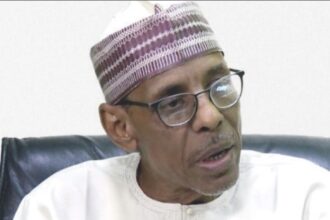



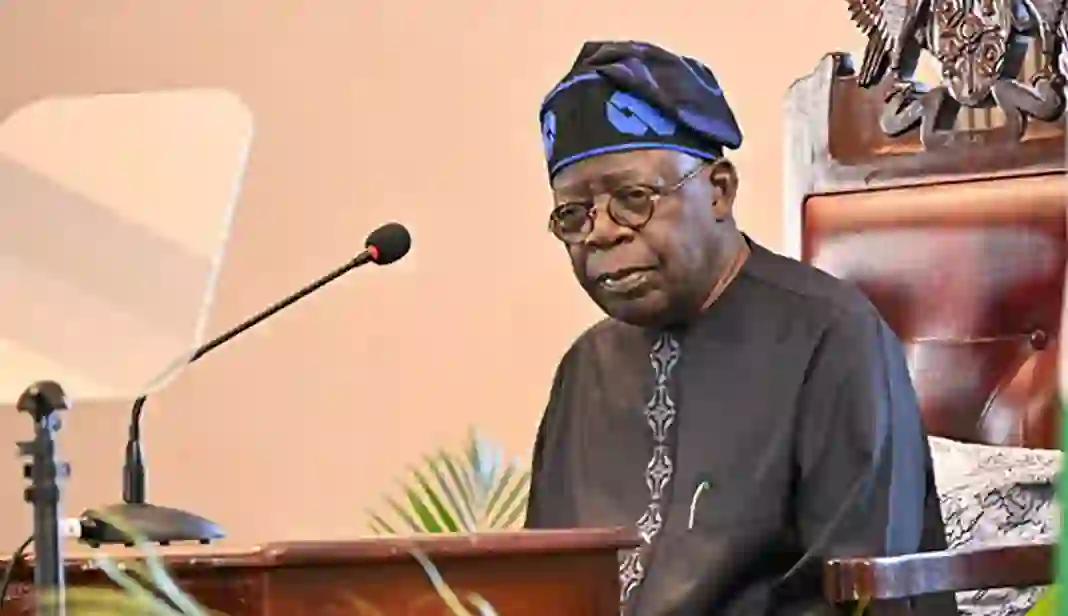
President Bola Tinubu has approved the allocation of land along the Airport Road corridor in Abuja for the establishment of the Abdulsalami Abubakar Africa Resource Centre, a development that is expected to strengthen efforts aimed at promoting peace, leadership, research, and sustainable development across Africa.
The directive, issued through the Federal Capital Territory administration, marks a significant step toward the realization of a project that many believe will become one of the continent’s leading institutions for policy dialogue, governance studies, and conflict resolution. The proposed centre is expected to serve as a platform where scholars, policymakers, diplomats, development experts, and young leaders can come together to exchange ideas and develop practical solutions to Africa’s pressing challenges.
The decision reflects the Federal Government’s recognition of the importance of investing in institutions that support knowledge creation, leadership development, and regional cooperation. In recent years, African countries have continued to face a variety of challenges, including insecurity, economic instability, climate-related concerns, youth unemployment, and governance issues. Many experts believe that strong institutions dedicated to research and policy development are essential for addressing these challenges and creating long-term solutions.
The Abdulsalami Abubakar Africa Resource Centre is expected to play a key role in this regard by providing an environment where critical issues affecting the continent can be studied and discussed. Through research, training programmes, conferences, and strategic engagements, the centre is anticipated to contribute to the formulation of policies that promote peace, stability, and development.
Observers have noted that the choice of location is particularly significant. Airport Road remains one of Abuja’s most important corridors, linking the city centre with the Nnamdi Azikiwe International Airport. Over the years, the area has witnessed substantial infrastructural growth and urban development, making it an attractive location for major institutions and national projects. The accessibility of the site is expected to make it convenient for visitors from different parts of Nigeria, Africa, and the wider international community.
The project is also viewed as a tribute to the contributions of former Head of State, General Abdulsalami Abubakar, whose role in Nigeria’s democratic journey remains widely acknowledged. Throughout his years of public service, Abdulsalami has been associated with efforts to promote peace, dialogue, and democratic governance. His leadership during Nigeria’s transition to civilian rule is often cited as one of the defining moments in the country’s political history.
Beyond Nigeria, Abdulsalami Abubakar has remained active in mediation and peacebuilding initiatives across Africa. His involvement in regional and international efforts aimed at resolving conflicts and promoting political stability has earned him recognition from governments, institutions, and global organizations. Supporters of the resource centre believe it will help preserve these contributions while inspiring future generations to embrace the values of service, integrity, and leadership.
The proposed centre is expected to focus on several key areas, including governance, democracy, peacebuilding, conflict prevention, youth empowerment, economic development, and leadership training. By bringing together experts from different fields, the institution hopes to generate ideas and recommendations that can help governments and organizations make informed decisions.
One of the major objectives of the centre is expected to be the promotion of dialogue as a tool for resolving conflicts and fostering understanding among diverse communities. Across Africa, many conflicts have roots in political disagreements, ethnic tensions, competition for resources, and social inequalities. Through research and engagement, the centre aims to contribute to efforts that encourage peaceful coexistence and strengthen democratic institutions.
Education and leadership development are also expected to form an important part of the centre’s activities. Africa has one of the youngest populations in the world, creating both opportunities and challenges for governments and development partners. By investing in leadership programmes and capacity-building initiatives, the centre hopes to equip young people with the knowledge and skills required to contribute positively to their communities and nations.
In addition to leadership training, the institution is expected to provide opportunities for academic research and policy analysis. Researchers and scholars will likely have access to resources that support studies on issues affecting Africa’s future. The findings generated through such research could help shape public policy and support evidence-based decision-making across different sectors.
Many stakeholders have welcomed the project, describing it as a timely initiative that aligns with broader efforts to strengthen institutions and promote sustainable development. They argue that Africa’s progress depends not only on economic investments but also on the development of ideas, knowledge systems, and leadership structures capable of addressing complex challenges.
Supporters of the initiative believe that the centre could eventually become a leading think tank on African affairs, attracting partnerships with universities, research institutions, development organizations, and international agencies. Such collaborations could enhance the quality of research and increase the institution’s impact on policy discussions at national, regional, and global levels.
The project is also expected to contribute to Abuja’s status as a centre for diplomacy, governance, and international engagement. As the seat of government and host to numerous embassies and international organizations, the city already plays a vital role in regional affairs. The establishment of the resource centre could further strengthen Abuja’s position as a hub for policy dialogue and intellectual exchange.
Economic benefits may also emerge from the development of the facility. Construction activities associated with the project could create employment opportunities, while the eventual operation of the centre may generate jobs in administration, research, training, and support services. Increased visits by scholars, diplomats, and development experts could also contribute to local economic activity.
While details regarding the timeline for construction and completion have yet to be fully outlined, expectations remain high among stakeholders who see the initiative as a worthwhile investment in Africa’s future. Many believe that institutions dedicated to research, peacebuilding, and leadership development are essential for achieving long-term progress and stability.
As plans move forward, the Abdulsalami Abubakar Africa Resource Centre is expected to stand as a symbol of dialogue, knowledge, and cooperation. Its establishment reflects a growing recognition of the role that research and leadership play in addressing contemporary challenges and shaping a better future for the continent.
For many observers, the allocation of land for the project represents more than the development of a physical structure. It is viewed as an investment in ideas, people, and institutions capable of driving positive change across Africa. If successfully implemented, the centre could become a lasting legacy that promotes peace, supports leadership development, and contributes meaningfully to the continent’s quest for sustainable growth and prosperity.