


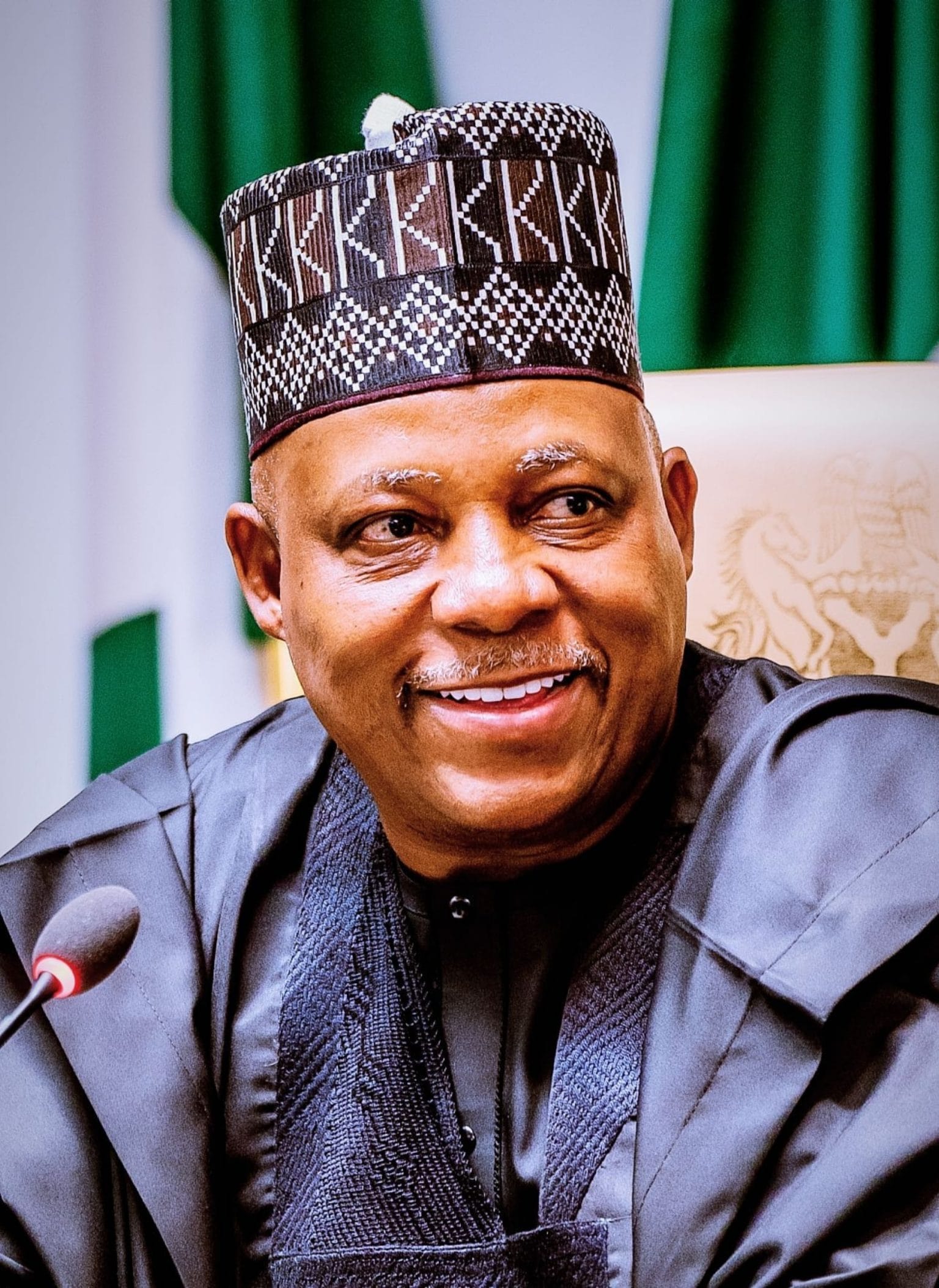
Vice President Kashim Shettima has strongly defended the economic reforms introduced by the federal government, insisting that Nigeria is beginning to witness signs of recovery despite the continued hardship facing millions of citizens.
His remarks come at a time when public frustration over inflation, rising food prices, and the cost of living remains widespread across the country.
Speaking during the Nasarawa Economic Summit 2026 in Lafia, Shettima stated that the difficult policies introduced by the administration were necessary to rescue Nigeria from deeper economic instability. According to him, the country’s economy is gradually rebounding as investor confidence returns and major financial indicators begin to improve.
The Vice President argued that reforms are never painless, especially in a country where long-standing economic challenges had been ignored for years. He maintained that the administration inherited a fragile economic structure weighed down by unsustainable subsidy payments, foreign exchange distortions, debt pressures, and declining investor confidence.
Since assuming office, the administration has implemented some of the most controversial economic decisions in recent Nigerian history. The immediate removal of fuel subsidy in 2023 led to a sharp increase in transportation costs and fuel prices nationwide. The government also introduced foreign exchange reforms aimed at unifying the naira exchange rate and attracting foreign investment into the economy.
While officials described the policies as necessary for long-term stability, ordinary Nigerians immediately felt the impact. Inflation climbed sharply, the naira weakened, and prices of food and essential goods rose beyond the reach of many households. Businesses also struggled with higher operational costs, leading to layoffs, reduced production, and growing economic anxiety.
Despite the criticism surrounding the reforms, Shettima insisted that early signs now suggest the economy is stabilizing. According to him, international investors are beginning to regain confidence in Nigeria, while economic indicators show gradual improvement in external reserves and capital inflows.
He said the administration remains focused on rebuilding economic foundations capable of supporting future growth rather than relying on temporary fixes that could worsen the country’s financial situation later. The Vice President stressed that difficult reforms are often misunderstood in the early stages because citizens naturally focus on immediate hardship instead of long-term outcomes.
Supporters of the administration believe the reforms were unavoidable. For years, economists and international financial institutions had warned that Nigeria’s subsidy system was draining public resources without significantly improving the lives of ordinary citizens. Huge amounts of government revenue were reportedly spent subsidizing petrol while critical sectors such as healthcare, education, and infrastructure remained underfunded.
Government officials also argue that multiple exchange rates created opportunities for corruption and discouraged foreign investment. By restructuring the foreign exchange system, they believe Nigeria is moving toward a more transparent and competitive economic environment.
However, critics continue to question whether the reforms are being implemented fairly. Many Nigerians argue that while government officials speak about recovery, ordinary people continue facing worsening living conditions. Food inflation remains high, salaries have lost value, and many families struggle daily to meet basic needs.
Public frustration has also been fueled by perceptions that political leaders are insulated from the hardship affecting citizens. While the government calls for patience and sacrifice, critics say many Nigerians are no longer willing to wait indefinitely for promised economic gains.
The challenge for the administration now lies in translating economic recovery into visible improvements in everyday life. Economic growth figures and investor confidence may satisfy financial analysts, but most citizens judge economic performance based on food prices, electricity supply, transportation costs, job opportunities, and household income.
Shettima acknowledged that the reforms have created temporary pain but insisted that abandoning them would worsen Nigeria’s problems. He argued that previous economic practices had become unsustainable and were pushing the country toward deeper financial crisis.
The Vice President also emphasized the role of state governments in driving economic growth. According to him, the administration wants Nigerian states to become more economically productive and less dependent on federal allocations. He encouraged governors and investors to focus on agriculture, manufacturing, infrastructure, and industrial development as pathways toward sustainable growth.
His remarks come as the political atmosphere in the country slowly begins to shift toward future electoral calculations. Economic performance is expected to become one of the defining issues ahead of the next general elections. Opposition figures continue criticizing the administration’s policies, while government supporters insist that recovery takes time.
Political analysts believe the success or failure of the reforms may significantly shape public opinion in the coming years. If inflation falls, jobs increase, and living conditions improve, the administration could strengthen its political standing. But if hardship continues without visible relief, public anger may deepen further.
For many Nigerians, patience is wearing thin. Across markets, transport parks, offices, and homes, conversations about survival dominate daily life. Families are adjusting spending habits, businesses are cutting costs, and many young people remain uncertain about the future.
Yet there are also citizens who believe the country may finally be confronting economic realities that previous governments avoided for decades.
They argue that Nigeria cannot continue spending heavily on subsidies and defending artificial economic structures without eventually facing consequences.
As debate continues, Shettima remains one of the administration’s strongest voices defending the reform agenda. His message is clear: the government believes the economy is moving in the right direction, even if the benefits are not yet fully visible to the average citizen.
Whether Nigerians eventually embrace that message may depend not on speeches or economic forecasts, but on the realities they experience in their daily lives. For now, the administration continues asking for patience while promising that the sacrifices being made today will eventually lead to a more stable and prosperous economy tomorrow.