
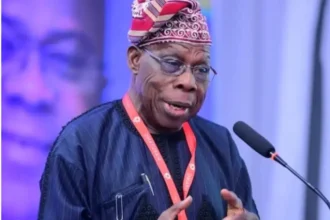


The Rising insecurity across Nigeria is reportedly taking a toll on President Bola Ahmed Tinubu, with sources within the presidency indicating that the scale and persistence of security challenges are causing deep concern at the highest level of government.
Described as giving the president “sleepless nights,” the situation underscores the urgency and complexity of Nigeria’s security landscape.
From the northern regions grappling with insurgency and banditry to parts of the Middle Belt experiencing violent clashes, and southern areas contending with kidnappings and organized crime, insecurity has remained one of the most pressing issues facing the country. Despite ongoing military operations and policy interventions, the spread and evolution of these threats have continued to test the capacity of security agencies and the resilience of affected communities.
For President Tinubu, who assumed office with promises of reform and stability, the security situation represents both a major governance challenge and a critical measure of public confidence. While efforts have been made to recalibrate the nation’s security architecture, including leadership changes within the armed forces and increased coordination among agencies, the results have yet to fully meet public expectations.
Insurgency in the North-East remains a significant concern, with remnants of extremist groups still carrying out attacks and disrupting civilian life. In the North-West, banditry has evolved into a complex network of criminal operations involving mass abductions, village raids, and ransom demands.
Meanwhile, communal conflicts in parts of the Middle Belt continue to claim lives and displace residents, often fueled by longstanding tensions over land and resources.
In urban centers and along major highways, the threat of kidnapping for ransom has also persisted, creating an atmosphere of fear among citizens and affecting economic activities.
Businesses, travelers, and even local communities have had to adapt to heightened risks, with many calling for stronger protective measures and more visible security presence.
The presidency’s reported concern reflects a broader national anxiety.
Nigerians across different regions have repeatedly expressed frustration over the pace of progress in addressing insecurity. While acknowledging the efforts of security forces, many citizens believe that more decisive and coordinated action is needed to tackle the root causes of violence and criminality.
Security analysts point out that Nigeria’s challenges are deeply interconnected, involving not just military responses but also socio-economic factors such as unemployment, poverty, and weak local governance structures.
Addressing insecurity, they argue, requires a comprehensive approach that combines force with development, intelligence gathering, and community engagement.
The federal government has emphasized its commitment to improving security through increased funding, enhanced intelligence capabilities, and partnerships with local and international stakeholders.
There have also been calls for greater involvement of state governments and community leaders in developing localized solutions that can complement national strategies.
However, critics argue that policy implementation remains a key hurdle. While strategies and announcements are often well-articulated, translating them into consistent, on-the-ground impact has proven difficult. Issues such as coordination gaps among security agencies, logistical constraints, and the vast geographical spread of affected areas continue to complicate efforts.
The emotional weight reportedly carried by the president highlights the human dimension of leadership in times of crisis. Beyond policy and strategy, the responsibility of ensuring the safety of millions of citizens is a burden that cannot be understated. It also reflects the political stakes, as security remains one of the most important factors shaping public perception of any administration.
For many Nigerians, the hope is that this heightened concern at the top will translate into more urgent and effective action. There is growing demand for clear timelines, measurable outcomes, and transparent communication from the government regarding its security efforts. Citizens want to see not just promises, but tangible improvements in their daily lives.
As the administration continues to navigate this complex challenge, the coming months will be critical in determining whether current strategies can deliver the desired results. Success will likely depend on a combination of sustained political will, improved coordination among security agencies, and the ability to address underlying socio-economic issues that contribute to instability.
Insecurity remains a defining issue for Nigeria, shaping everything from economic growth to social cohesion.
The reported concern within the presidency serves as a reminder of the scale of the challenge and the urgency of finding lasting solutions. For now, the nation watches closely, hopeful that renewed focus and commitment will lead to meaningful progress in restoring safety and confidence across the country.