






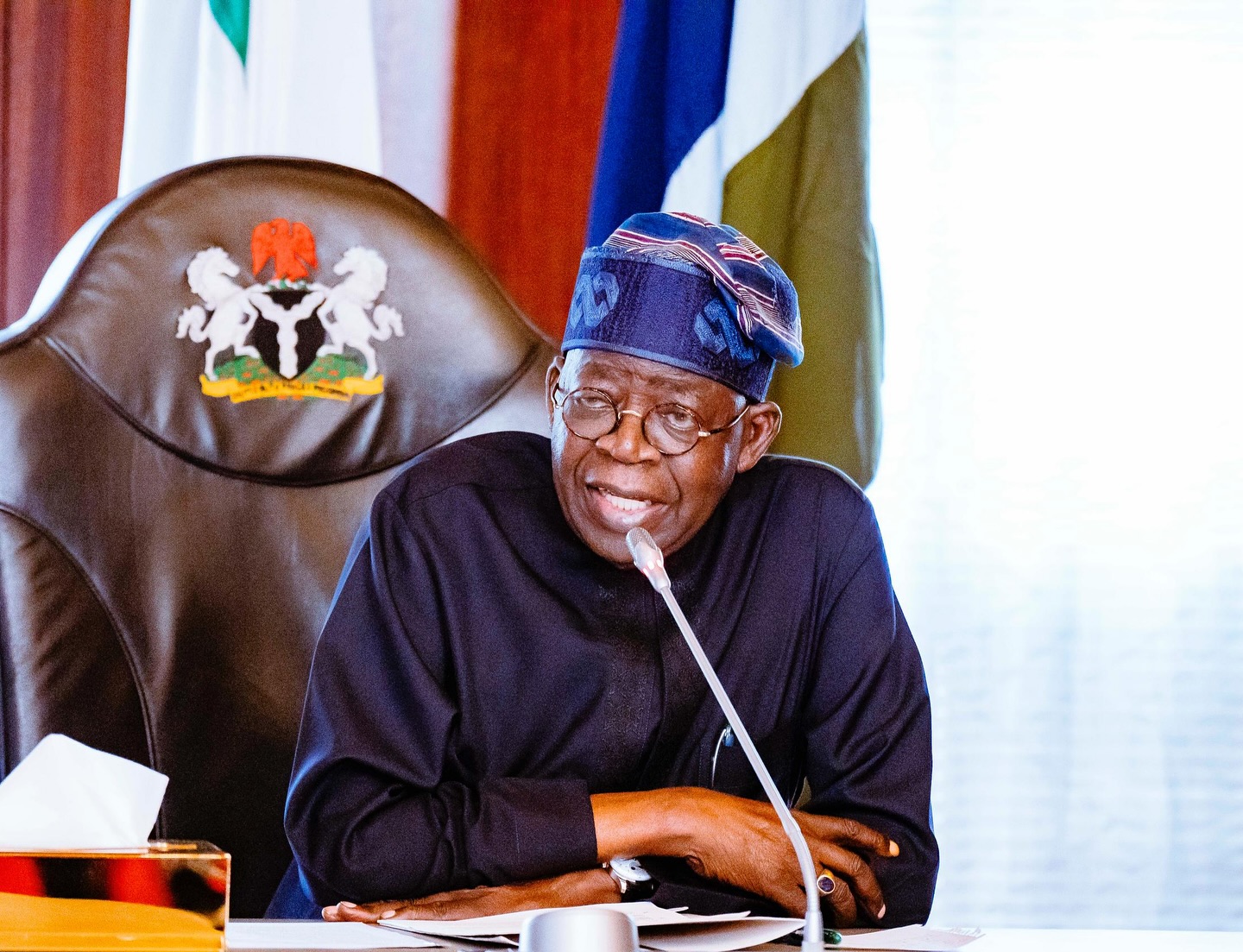
The signing of Nigeria’s ₦68.32 trillion 2026 budget by Bola Ahmed Tinubu reflects the government’s continued effort to navigate a complex economic environment while sustaining national development goals. As one of the largest budgets in the country’s history, it highlights both ambition and the realities of managing a modern economy under pressure.
A notable feature of the budget is the significant allocation toward debt servicing. This reflects Nigeria’s existing financial commitments and the importance of maintaining credibility in both domestic and international financial markets.
Meeting these obligations is essential for sustaining investor confidence and ensuring continued access to funding when needed. At the same time, it naturally limits the amount of resources available for other areas of public spending.
The extension of elements from the 2025 budget cycle also suggests a focus on continuity. Ongoing projects, especially in infrastructure and public services, often require multi-year funding to reach completion. By maintaining aspects of the previous fiscal plan, the government appears to be prioritizing stability and ensuring that existing commitments are not disrupted.
From a broader perspective, the 2026 budget underscores the challenge of balancing expenditure with revenue generation. Like many economies, Nigeria is working to strengthen its revenue base while managing external factors such as global market shifts and domestic economic pressures.
Efforts to expand non-oil revenue sources and improve fiscal efficiency are expected to play a key role in supporting long-term sustainability.
For citizens, the impact of the budget will largely depend on how effectively it is implemented. Investments in infrastructure, social services, and economic programs have the potential to support growth, improve livelihoods, and create opportunities. At the same time, careful management of public finances remains important to maintain economic stability.
Overall, the 2026 budget can be seen as part of an ongoing process of economic adjustment and planning. It reflects an attempt to meet current obligations while positioning the country for future growth. As implementation progresses, attention will likely remain on transparency, efficiency, and the ability to translate fiscal plans into tangible outcomes for the population.

