





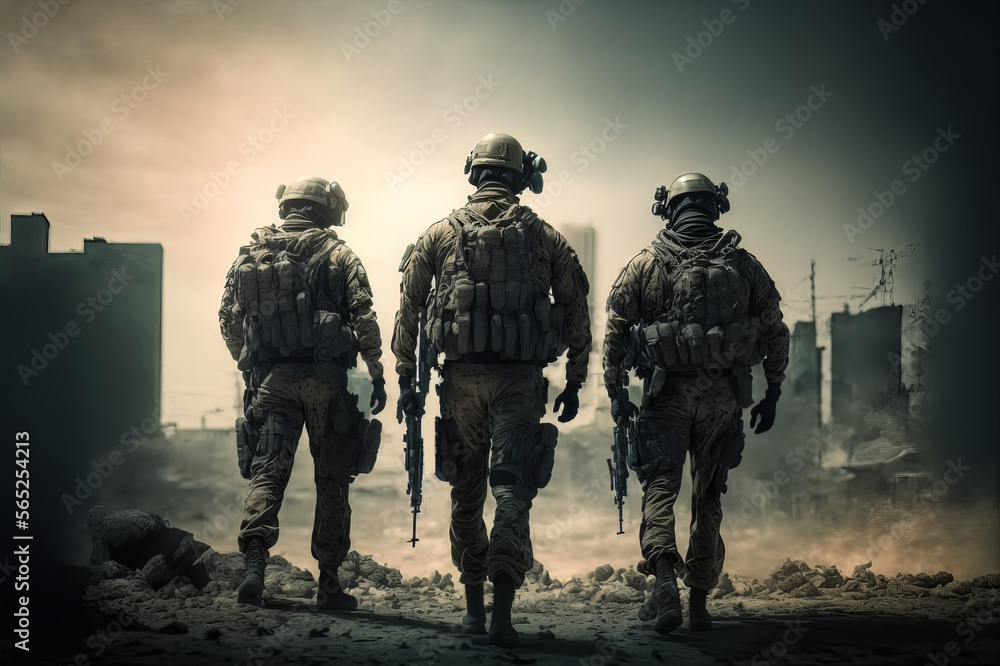
A quiet sense of caution is settling across Nigeria as security agencies step up vigilance following intelligence reports of possible coordinated threats in major cities.
While officials have not released full details, the message is clear: stay alert, stay aware, and avoid panic.
Across key urban centers like Abuja, Lagos, and Port Harcourt, there has been a noticeable increase in security presence. Checkpoints are tighter, patrols more frequent, and surveillance efforts more visible. For many residents, it’s a reminder of past incidents but also a sign that authorities are trying to stay ahead of potential threats.
Security agencies say the alerts are based on intelligence suggesting possible attacks targeting crowded or strategic locations. These could include transport hubs, public institutions, or large gatherings places where disruption would have the widest impact.
Even without confirmed incidents, the psychological effect is real. Commuters are more watchful. Event organizers are reconsidering plans. Businesses are quietly reviewing their own safety measures. It’s not panic but it’s not business as usual either.
For everyday Nigerians, the situation creates a difficult balance. Life must go on, but with an added layer of caution. Authorities are encouraging simple but important steps: report suspicious activity, avoid spreading unverified information, and follow official updates.
At the same time, there’s an underlying concern about how long this heightened alert might last, and what it says about the broader security landscape. Nigeria has faced various security challenges in recent years, and each new warning reinforces the need for stronger intelligence, coordination, and public trust.
For now, the focus is on prevention. Increased visibility of security forces is meant to deter threats before they materialize. Whether that strategy succeeds may depend not just on agencies, but also on public cooperation.
Beyond the visible patrols and checkpoints, there is also a quieter layer of response unfolding behind the scenes. Intelligence sharing between agencies is believed to have intensified, with efforts focused on tracking suspicious movements, monitoring communication channels, and identifying potential risks before they escalate. This kind of coordination is often unseen by the public, but it plays a critical role in preventing incidents.
There is also growing reliance on community awareness. In many neighborhoods, informal networks from local leaders to transport operators are becoming part of the early warning system. When people speak up about unusual activity, it can make a significant difference. However, this depends heavily on trust, and that trust is built over time through consistent and transparent engagement from authorities.
For businesses, especially those operating in crowded areas, the alert has triggered a shift in approach. Some are tightening entry checks, installing additional surveillance, or limiting large gatherings. While these measures may seem small, they reflect a broader adaptation to an environment where uncertainty must be managed carefully.
Ultimately, the coming days will be crucial. If no incidents occur, the heightened alert may fade quietly. But if anything does happen, it will likely shape how security is approached in the months ahead.
For now, Nigerians are watching, adjusting, and hoping, carrying on with daily life, but with eyes a little more open than usual.

