



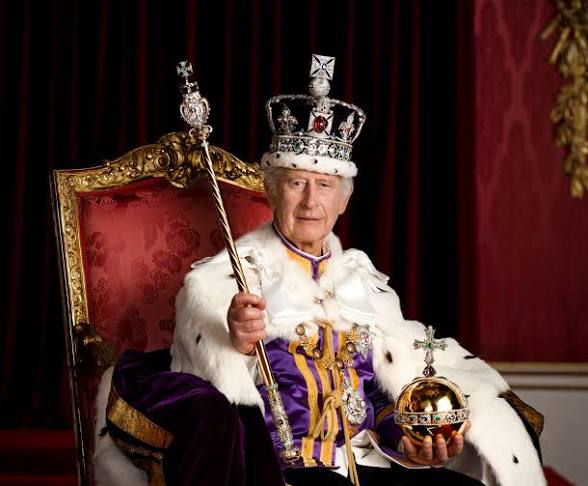
Nigeria has taken another significant step in strengthening its global diplomatic presence as President Bola Ahmed Tinubu embarks on an important state visit to the United Kingdom, where he is being formally received by King Charles III. The visit marks a renewed effort by both nations to deepen long-standing historical, economic, and political ties while opening new pathways for cooperation in critical sectors.
The relationship between Nigeria and the United Kingdom dates back decades, rooted in colonial history but steadily evolving into a partnership defined by trade, diplomacy, and shared interests. This latest engagement is seen as part of a broader strategy by Nigeria to reposition itself on the global stage, attract foreign investment, and reinforce alliances with key international partners.
During the visit, discussions are expected to focus heavily on economic collaboration. Nigeria, Africa’s largest economy, continues to seek foreign investment to boost its infrastructure, energy sector, and industrial growth.
The United Kingdom, with its strong financial institutions and global investment reach, presents a valuable partner in this regard. Both countries are expected to explore opportunities in trade expansion, technology transfer, and sustainable development initiatives.
One of the major talking points is likely to be the ongoing transformation within Nigeria’s oil and gas sector. Recent reforms aimed at improving transparency and efficiency have begun to attract renewed interest from international investors. By engaging directly with British leaders and business stakeholders, President Tinubu aims to showcase Nigeria as a stable and promising destination for long-term investment. The visit also provides an opportunity to highlight efforts to diversify the economy beyond oil, with growing attention on agriculture, digital innovation, and manufacturing.
Security cooperation is another key area on the agenda. Nigeria continues to face challenges related to insurgency, banditry, and organized crime. Strengthening intelligence sharing, defense collaboration, and capacity building between the two countries is expected to be a focal point of discussions. The United Kingdom has historically supported Nigeria in areas of security training and counterterrorism, and this visit could further solidify those efforts.
In addition to economic and security issues, the visit also carries strong symbolic importance. A state reception by King Charles III represents a high level of diplomatic recognition and underscores Nigeria’s importance as a strategic partner in Africa. Ceremonial events, including official banquets and meetings with senior government officials, are designed to reinforce mutual respect and shared values between both nations.
For many Nigerians, the visit is also being closely watched for its potential impact on everyday life. Citizens are hopeful that agreements reached during the trip will translate into tangible benefits such as job creation, improved infrastructure, and increased economic stability. With global economic pressures affecting many countries, partnerships like this are seen as essential for national growth and resilience.
Top Society notes that the Nigerian diaspora in the United Kingdom is another important factor shaping relations between the two nations. Nigerians living in the UK contribute significantly to both economies through remittances, entrepreneurship, and cultural exchange. Strengthening ties between the two countries can create more opportunities for diaspora engagement, including easier access to investment channels and collaborative initiatives that benefit both sides.
Cultural diplomacy is also expected to play a role in the visit. Nigeria’s rich heritage in music, film, fashion, and art continues to gain global recognition, particularly in the UK.
Strengthening cultural ties not only enhances mutual understanding but also opens doors for creative industries to thrive internationally. This aspect of the relationship reflects a softer but equally powerful dimension of diplomacy.
Observers note that the timing of the visit is particularly significant. As global geopolitical dynamics continue to shift, countries are increasingly seeking reliable partners to navigate economic uncertainty and security challenges. By reinforcing its relationship with the United Kingdom, Nigeria is positioning itself as a key player in international affairs and a leading voice within Africa.
While the outcomes of the visit will become clearer in the coming weeks, expectations remain high.
Agreements, memorandums of understanding, and joint statements are likely to emerge, outlining concrete steps for future collaboration. The success of the visit will ultimately be measured by how effectively these commitments are implemented and the extent to which they benefit citizens of both nations.
In all, the state visit represents more than just a diplomatic formality. It is a strategic engagement aimed at strengthening partnerships, fostering economic growth, and addressing shared challenges. As President Bola Ahmed Tinubu and King Charles III engage in discussions that could shape the future of Nigeria-UK relations, many will be watching closely, hopeful that this renewed connection will bring lasting progress and opportunity.