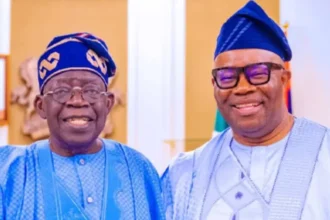

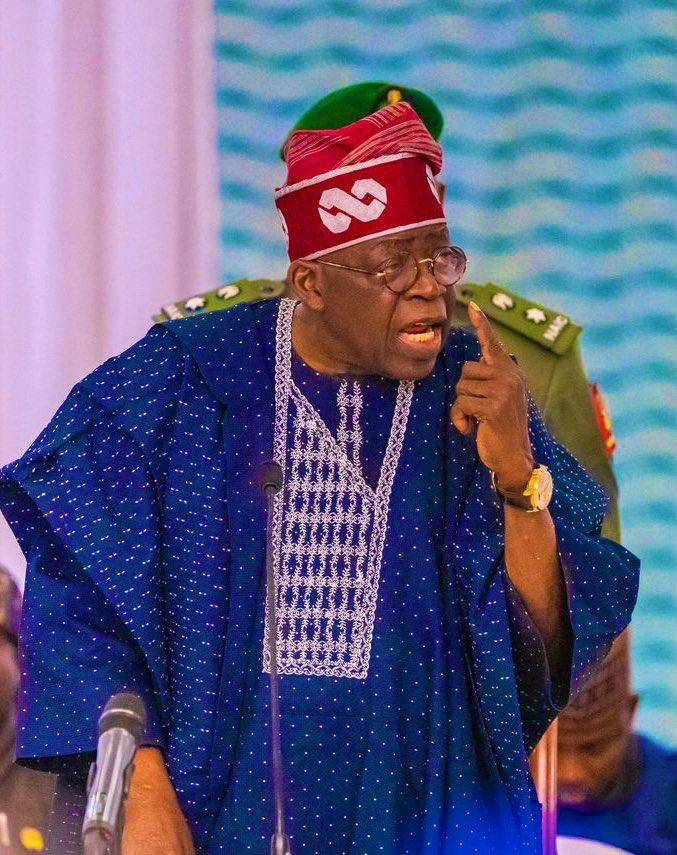
When President Bola Ahmed Tinubu asked the National Assembly of Nigeria to approve a $516 million loan for the Sokoto–Badagry highway, the announcement sounded like another bold step toward national development.
A road linking the far North to the South-West, cutting across multiple states and economic zones, is the kind of project that fits perfectly into the narrative of unity, trade, and progress.
But beyond the promise, Nigerians are asking harder, more practical questions questions shaped not by theory, but by lived experience.
The first question is simple: why another loan?
Nigeria is already dealing with a heavy debt burden, and citizens feel it daily through inflation, high fuel costs, and reduced purchasing power. While infrastructure is important, many are wondering whether borrowing more is the only option. Could this project be phased differently? Could private investors be brought in more aggressively? Or is borrowing still the fastest route because of how government projects are structured?
Then comes the issue of priority.
Is this highway the most urgent need right now? Across the country, existing roads are in poor condition major federal highways riddled with potholes, incomplete projects abandoned for years, and urban roads struggling under heavy traffic. For many Nigerians, especially those commuting daily or transporting goods, fixing what already exists feels more immediate than launching a massive new corridor.
There’s also the question of execution credibility.Nigeria does not lack big ideas; it struggles with finishing them. From rail lines to highways, history is filled with projects that started with energy and funding but ended in delays, cost overruns, or partial delivery. So people are asking: what makes this one different? What mechanisms are in place to ensure that this project does not become another long-term construction site stretching across administrations?
Transparency is another major concern.
How exactly will the $516 million be spent? Who are the contractors? What are the timelines? Nigerians are increasingly demanding detailed breakdowns, not just approvals. In a time where trust in public spending is fragile, clarity is no longer optional, it’s expected.
The economic argument behind the Sokoto–Badagry highway is strong on paper.
Yes, it could improve trade routes, reduce transportation time, and connect agricultural regions to major markets. But citizens are asking a deeper question: who benefits first—and most? Will small-scale farmers truly feel the impact, or will the gains be concentrated among large logistics companies and commercial players? Will the road be accessible and affordable, or will toll systems eventually place another financial burden on ordinary users?
Security is another layer that cannot be ignored.
Parts of the proposed route pass through regions that have experienced instability. Building a highway is one thing; maintaining safe, consistent use of that highway is another. Without addressing security challenges, even the best road infrastructure risks being underutilized or avoided altogether.
There is also the issue of maintenance culture.
Nigeria has built roads before !but maintaining them has always been the problem. So people are asking: what is the long-term plan? Will this highway be maintained differently? Is there a sustainable funding model for upkeep, or will it deteriorate like many others after a few years?
And then there’s timing.
At a time when many households are struggling economically, large borrowing announcements can feel disconnected from everyday realities. Citizens are not necessarily against development but they want to see a balance between long-term projects and immediate relief. It raises the question: can government pursue ambitious infrastructure while also easing the current economic pressure on citizens?
To be clear, the Sokoto–Badagry highway is not a bad idea. In fact, if executed properly, it could be transformative. But Nigerians are no longer reacting to announcements they are reacting to patterns. And those patterns have taught them to ask tougher questions before celebrating big plans.
As the National Assembly reviews the proposal, the real issue is no longer just approval. It is accountability, clarity, and realism. Nigerians want to know not just what is being promised, but how it will be delivered, who will be responsible, and what happens if things don’t go as planned.
Because in the end, this is not just about a highway. It is about trust whether large-scale promises can finally translate into real, visible progress that people can drive on, benefit from, and believe in.