






Tinubu Faces Growing Pressure
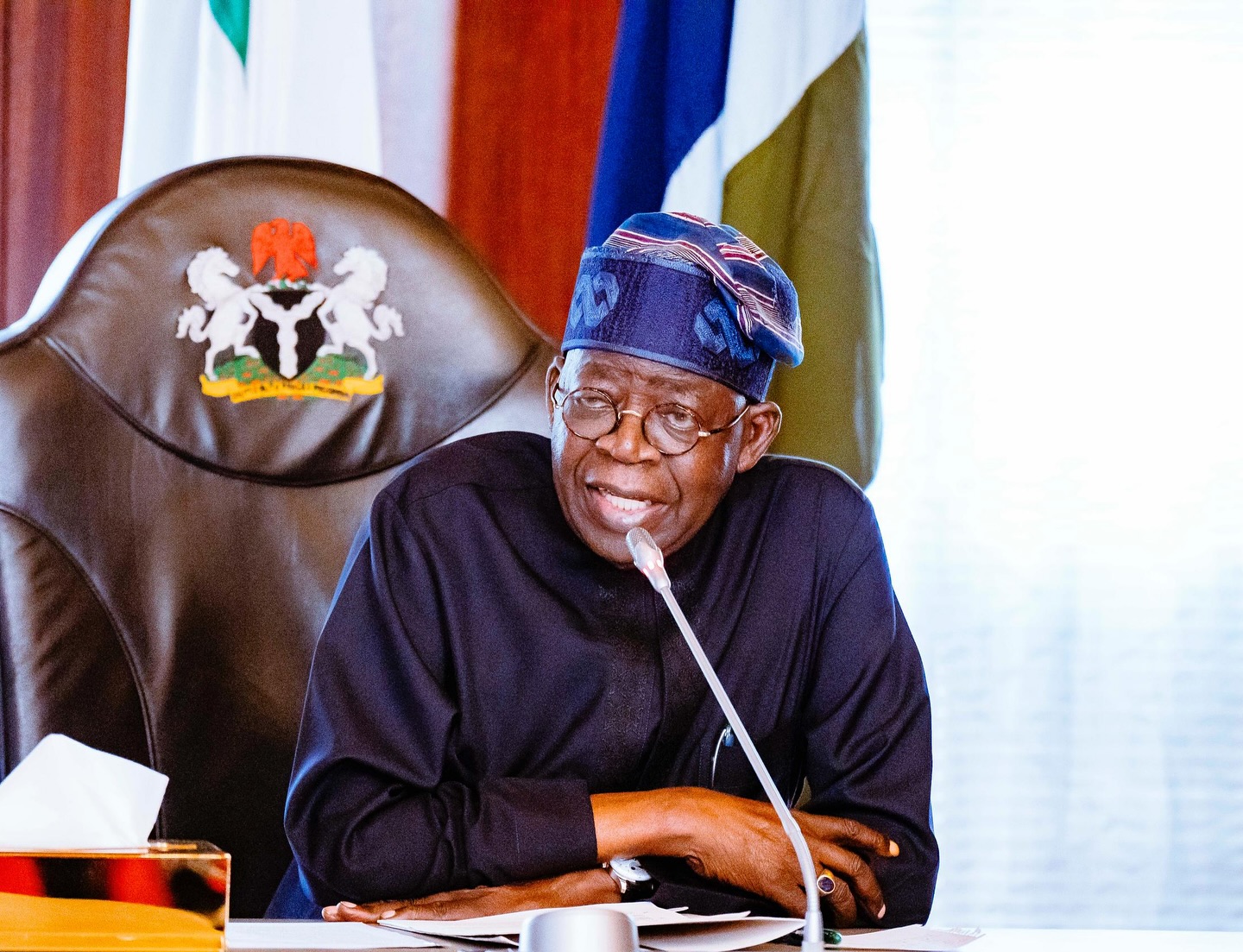
President Bola Ahmed Tinubu is facing mounting public and political pressure to act swiftly following a landmark ruling by the Supreme Court of Nigeria directing that withheld local government allocations in Osun State be released directly to the councils. The judgment, which reinforces the financial autonomy of local governments, has sparked nationwide debate about constitutional compliance, federal authority, and grassroots governance.
The ruling centers on funds meant for local government councils in Osun State that were reportedly withheld amid political and administrative disputes. In its decision, the Supreme Court reaffirmed that allocations from the Federation Account intended for local governments must not be arbitrarily withheld, emphasizing that such funds are constitutionally guaranteed to ensure effective governance at the grassroots level.
Legal analysts argue that the court’s pronouncement goes beyond Osun alone. They say it strengthens the broader principle of local government financial independence, an issue that has long generated controversy in Nigeria’s federal structure. For decades, questions have been raised about whether state governments and federal authorities exert undue control over funds meant for local councils, limiting their ability to deliver basic services such as primary healthcare, sanitation, rural roads, and community development projects.
The Supreme Court’s decision is therefore being interpreted as a significant step toward deepening democracy and reinforcing accountability at the local level. Many civic groups and constitutional experts believe compliance with the judgment will demonstrate respect for the rule of law and strengthen public trust in national institutions.
Pressure is now mounting on President Tinubu’s administration to ensure immediate implementation of the ruling. Advocacy groups have urged the federal government to act without delay, stressing that prolonged withholding of funds could undermine development efforts in affected communities. They argue that compliance would send a strong signal that the current administration is committed to upholding judicial authority and constitutional order.
Political observers note that this development comes at a time when conversations around governance reforms and institutional transparency are intensifying across the country. The debate over local government autonomy has resurfaced in recent months, with many Nigerians calling for structural adjustments that would allow councils to operate more independently and efficiently.
Supporters of immediate compliance say the issue is straightforward: once the highest court in the land has spoken, execution of its judgment should follow promptly. They warn that any delay could create perceptions of executive reluctance or political interference, especially in a politically sensitive state like Osun.
On the other hand, some government insiders suggest that administrative procedures and consultations may be necessary before the funds can be released. They argue that implementation must follow due process to avoid unintended legal or financial complications. However, critics counter that procedural reviews should not be used as grounds for unnecessary delay.
The matter also highlights the evolving relationship between the executive and the judiciary. Nigeria’s democracy relies heavily on checks and balances among the three arms of government. Compliance with Supreme Court rulings is widely regarded as a cornerstone of constitutional governance. Failure to adhere promptly could set a troubling precedent, analysts warn.
For residents of Osun State, the issue is more than a legal dispute. Local governments serve as the closest tier of government to the people. From maintaining markets and community schools to ensuring waste management and rural infrastructure, councils play a crucial role in everyday life. Withheld allocations can directly affect salaries, ongoing projects, and essential services.
Civil society organizations have emphasized that grassroots development suffers when funds are delayed or diverted. They argue that direct allocation, as affirmed by the court, could reduce bottlenecks and improve service delivery if accompanied by strong transparency measures.
As President Tinubu weighs the next steps, the situation presents both a challenge and an opportunity. Swift compliance could reinforce his administration’s commitment to democratic principles and institutional respect. It could also strengthen Nigeria’s federal structure by affirming that local governments are not merely extensions of state or federal authority but constitutionally recognized entities entitled to their own financial streams.
Ultimately, the spotlight remains on the presidency. The Supreme Court has delivered its verdict, and public expectations are clear. Nigerians are watching closely to see how quickly and decisively the federal government will act. The outcome may shape not only the future of local government funding in Osun but also broader perceptions of constitutional governance under President Tinubu’s leadership.

