




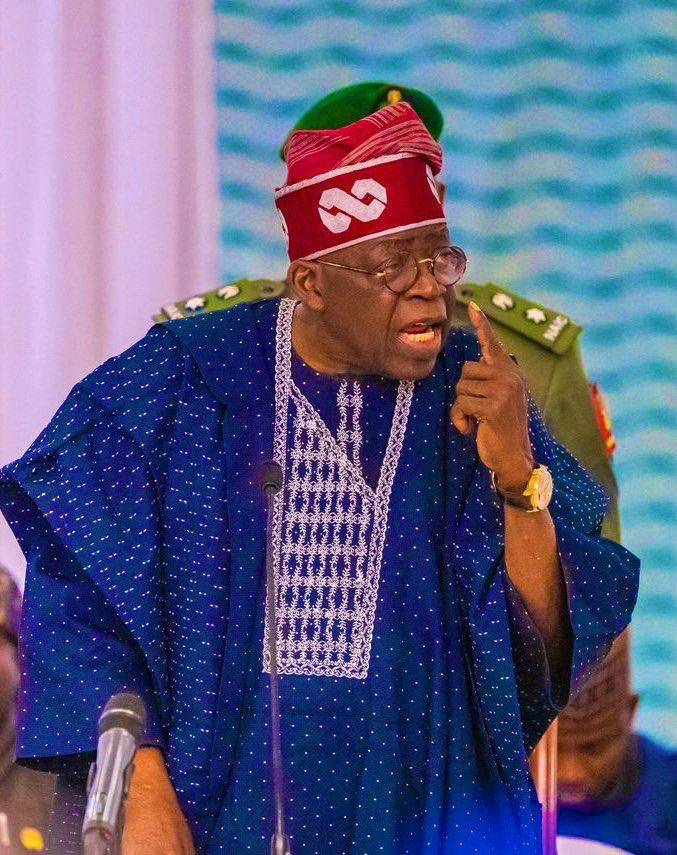
President Bola Ahmed Tinubu has abruptly cancelled a planned official visit to Ogun State, redirecting his attention to Plateau State following a fresh wave of violence that has unsettled communities and reignited national concern over security.
The sudden shift in the president’s itinerary underscores the gravity of the situation in Plateau, where reports of renewed attacks have once again brought the region into focus. Known for its history of communal tensions, the state has in recent years experienced periodic outbreaks of violence, often leaving behind casualties, displacement, and deepening mistrust among affected communities.
Sources within government circles indicate that the president’s decision was made in response to briefings from security agencies, suggesting that the situation required immediate high-level intervention. By choosing to physically engage with the crisis, the presidency appears to be signaling a more direct and visible approach to handling security challenges, particularly in volatile regions.
Residents in parts of Plateau have reportedly been gripped by fear as incidents unfolded, with some communities said to have suffered losses and disruptions. While full details of the latest attacks are still emerging, local leaders and stakeholders have continued to call for stronger security presence and more proactive measures to prevent recurring violence.
The president’s visit is expected to include meetings with security chiefs, state officials, and community representatives. Analysts believe such engagements could play a critical role in coordinating an immediate response while also shaping longer term strategies to stabilize the area. Beyond military deployment, there are increasing calls for intelligence-driven operations, community dialogue, and conflict resolution frameworks that address underlying tensions.
This development comes at a time when the administration is already under pressure to demonstrate effectiveness in tackling insecurity across different parts of the country.
From banditry in the northwest to insurgency in the northeast and communal clashes in the middle belt, security remains one of the most pressing challenges facing the government.
Observers note that high-profile interventions like this can serve both symbolic and practical purposes. On one hand, they reassure affected populations that their plight is receiving national attention; on the other, they test the government’s capacity to translate urgency into tangible results on the ground.
For many Nigerians, however, the key concern remains whether such visits will lead to sustained change. Plateau’s recurring crises have often drawn attention in moments of escalation, only for underlying issues to persist once immediate tensions subside. This pattern has fueled skepticism among citizens who are increasingly demanding long-term solutions rather than reactive measures.
As the situation develops, attention will be on the outcomes of the president’s intervention, both in terms of immediate security improvements and broader policy direction. The events in Plateau once again highlight the delicate balance Nigeria must maintain in managing diversity, ensuring security, and fostering unity in a complex national landscape.
Top Society notes that in the coming days, the government’s next steps are likely to shape not only the trajectory of the crisis in Plateau but also public confidence in its overall security strategy.

