





Nigeria’s political environment has once again entered a familiar but intense phase where governance and electioneering begin to overlap long before the official campaign season.
Even though the next general election is still ahead, the actions of political actors across parties suggest that the country is already deep in an unofficial race for power, influence, and survival.
At the center of this unfolding political atmosphere is the ruling structure led by President Bola Ahmed Tinubu, whose administration continues to navigate economic reforms, internal party pressures, and growing expectations from citizens. Within the political space of the All Progressives Congress, conversations around candidate positioning, loyalty structures, and succession planning are already shaping internal dynamics. What appears publicly as governance is, behind the scenes, increasingly influenced by strategic calculations about future elections.
Across the opposition landscape, similar movements are taking shape.
Political alliances that once appeared stable are now experiencing fractures, with key figures reassessing their positions and influence. The opposition struggle is not just about presenting alternatives but about survival in a political system where cohesion often determines relevance.
This has led to quiet negotiations, realignments, and in some cases, outright defections as actors reposition themselves for future opportunities.
One of the defining features of Nigeria’s current political climate is the early onset of campaign-style activity. Political meetings, consultations, and endorsements are increasingly being conducted under the guise of governance or party administration, but their underlying purpose is often electoral positioning.
This blending of governance and campaigning creates a system where policy decisions are frequently interpreted through political lenses.
Within ruling and opposition parties alike, internal disputes over candidate selection methods have become a major source of tension. The idea of consensus candidacy, where party leaders attempt to streamline candidates without competitive primaries—has sparked resistance from aspirants who view it as undemocratic. In several instances, this has led to open disagreements, accusations of imposition, and growing mistrust within party structures. These internal conflicts are not isolated incidents but part of a broader struggle over control and influence.
At the state level, governors and political stakeholders are increasingly asserting their influence over emerging political structures. Their role in shaping party decisions has become more pronounced, especially in determining who gets visibility, support, or endorsement. This has created a layered power structure where national leadership, regional power brokers, and grassroots actors often have competing interests.
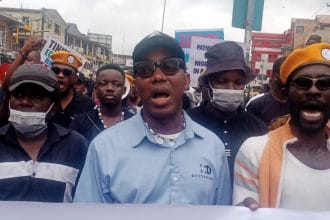
Beyond formal party structures, Nigeria’s political landscape is also being shaped by public sentiment and digital engagement. Social media platforms have become powerful tools for political communication, mobilization, and criticism. Figures such as activists and commentators frequently influence national conversations, sometimes forcing political actors to respond to issues that gain traction online. This shift has introduced a new dimension to political competition, where perception and narrative can be as important as traditional political machinery.
Economic conditions are also playing a significant role in shaping political behavior. Inflation, unemployment, and currency instability have created a climate where citizens are highly sensitive to policy outcomes. As a result, political actors are increasingly using economic issues as central themes in their messaging. Decisions around subsidies, infrastructure, and public spending are no longer viewed purely as governance matters but as politically consequential actions that could influence voter sentiment.
Security concerns further complicate the political environment. In various parts of the country, challenges related to safety and stability continue to affect public confidence in governance. Political actors are aware that perceptions of security performance can significantly impact electoral outcomes. This has led to increased emphasis on security messaging, even as the underlying challenges remain complex and unresolved.
Another important feature of the current political cycle is the emergence of informal alliances.
These alliances are not always publicly declared but are often visible through coordinated messaging, shared interests, or strategic silence on certain issues. Political actors are increasingly aware that formal party structures alone may not be sufficient to guarantee success, leading to broader coalition-building efforts that extend beyond traditional party lines.
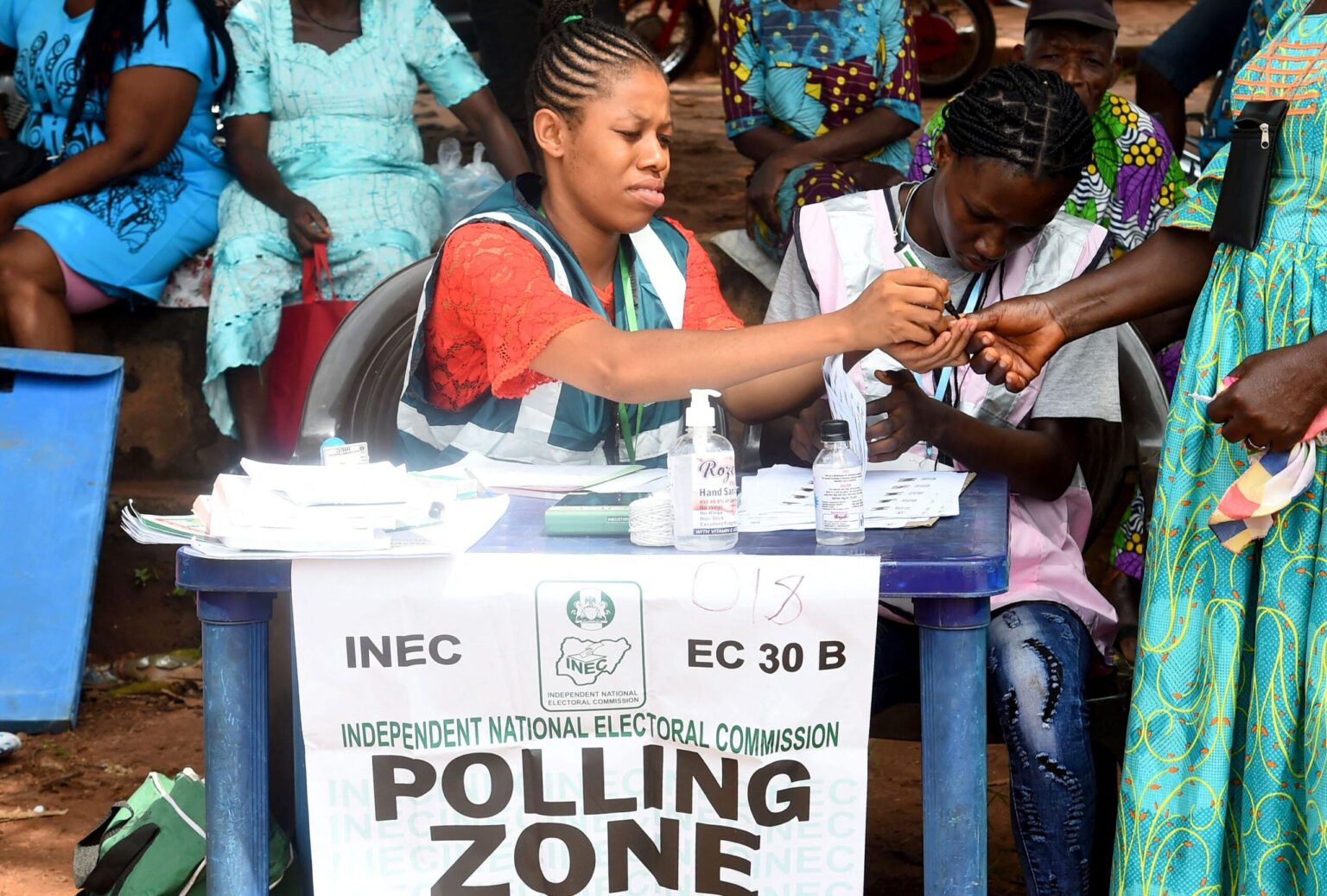
The role of the electorate is also evolving. Nigerian voters are becoming more engaged, more critical, and more responsive to political messaging. While this does not always translate into organized political pressure, it does influence how politicians frame their communication strategies. The rise of issue-based discussions, particularly around economic survival and governance accountability, suggests a gradual shift in voter expectations.
Despite these developments, one of the most consistent features of Nigeria’s political system remains unchanged: the early and continuous nature of election preparation. Unlike systems where governance and campaigning are clearly separated by time, Nigeria’s political class often operates in a blended environment where every action is potentially viewed through an electoral lens. This creates a cycle where governance decisions are influenced by political calculations, and political strategies are shaped by governance outcomes.
The implications of this environment are significant. On one hand, it ensures that political actors remain constantly engaged with public sentiment and responsive to emerging issues. On the other hand, it risks reducing governance to a series of short-term political maneuvers rather than long-term institutional planning. The tension between these two realities defines much of Nigeria’s current political experience.
As the country moves forward, the early positioning already underway suggests that the next election cycle will be highly competitive, deeply strategic, and shaped by both traditional political structures and new forms of influence. The battle for control is not just about who wins elections, but about who defines the rules, controls the narrative, and shapes the direction of national decision-making.
In this evolving landscape, Nigeria’s political class is not waiting for the official start of campaigns. The race has already begun, quietly, strategically, and across multiple fronts.

