





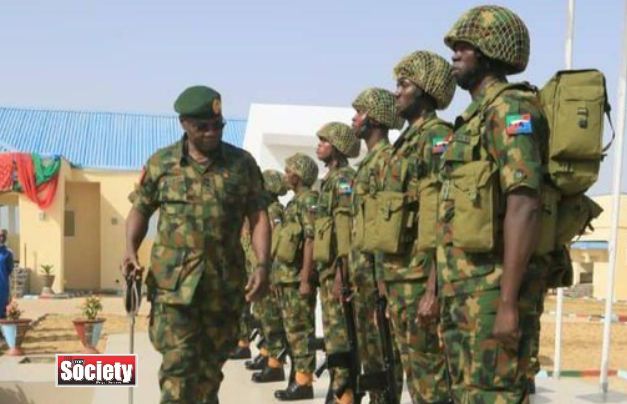
The Nigerian Army has categorically dismissed reports suggesting that soldiers are threatening mutiny over unpaid salaries and allowances. In an official statement, the military described such claims as misleading, false, and potentially harmful to national security, reaffirming the loyalty and discipline of personnel across the country.
The rumors first circulated on social media and certain online platforms, where they were amplified and quickly attracted public attention.
They claimed that dissatisfaction among troops had reached a critical point, potentially prompting organized rebellion within the ranks. The army’s leadership moved swiftly to clarify that these reports are baseless, emphasizing that no credible evidence exists to support claims of mutiny.
According to the army, Nigerian personnel are trained to follow established grievance procedures, including formal reporting channels within the chain of command, rather than resorting to public protest or threats of rebellion. Military officials stressed that discipline, professionalism, and adherence to the Constitution guide the conduct of all troops, ensuring that internal issues are resolved constructively and within the law.
The army also provided context regarding soldiers’ pay and allowances. Compensation for Nigerian troops is determined by rank, deployment location, and operational responsibilities. In addition to basic salaries, personnel may receive field allowances, hazard pay, and other benefits. Officials noted that the complexity of military compensation is often misunderstood, leading to misinterpretation and exaggerated claims about dissatisfaction.
Beyond refuting the mutiny rumors, the Nigerian Army highlighted ongoing efforts to improve troop welfare. These include periodic salary reviews, upgraded living accommodations, enhanced medical services, and broader insurance coverage for personnel and their families. The military emphasized that such initiatives are designed to maintain morale, support operational effectiveness, and recognize the challenges faced by troops in active deployments.
Experts in security and military affairs note that high morale is a critical factor in maintaining a professional armed force. Soldiers operating in challenging environments—often facing insurgency, banditry, and other threats require consistent support and assurances regarding their welfare. A well compensated and motivated force is better positioned to execute national security responsibilities effectively and efficiently.
Despite the reassurance from military officials, analysts observe that the widespread circulation of such rumors points to broader public concerns about transparency and governance within security institutions. In an era of instant digital communication, unverified claims can spread quickly, potentially eroding confidence in key institutions even when the reports are inaccurate. The army’s prompt clarification seeks to counteract misinformation and restore public trust.
The statement from the military also reinforced the constitutional role of soldiers. Personnel are committed to serving under civilian oversight and within the framework established by national law. Loyalty to the Commander in Chief and adherence to military regulations remain fundamental principles guiding the conduct of all troops, ensuring that the armed forces operate as a disciplined and cohesive institution.
Observers note that proactive communication by the army is essential in such situations. By issuing timely clarifications, leadership can prevent misunderstandings, reduce the impact of false narratives, and maintain stability within both the military and the broader public sphere. Such measures are increasingly important in managing the perception of institutional credibility in a highly connected society.
In conclusion, the Nigerian Army’s firm denial of mutiny claims underscores its commitment to professionalism, loyalty, and the welfare of personnel. While rumors can arise, the institution remains steadfast in managing grievances internally, providing support to troops, and ensuring that the armed forces continue to fulfill their constitutional responsibilities.
Public confidence and operational effectiveness are maintained through transparency, structured grievance mechanisms, and ongoing welfare improvements, reinforcing the stability of one of Nigeria’s key national institutions.

