






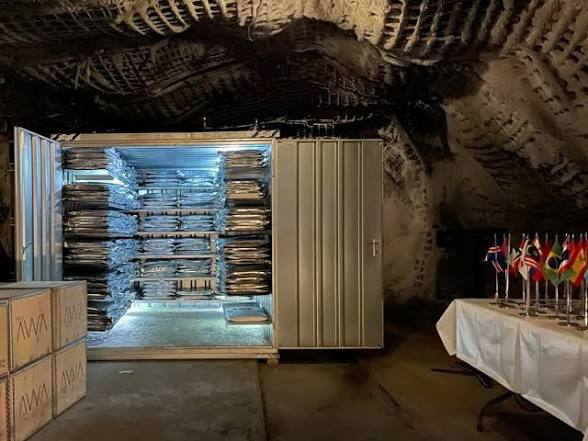
Nigeria has made a significant and forward-thinking move to protect its cultural and historical heritage by storing important records in a highly secure global archive located in the Arctic. This development reflects a growing awareness of the need to safeguard national history, especially as concerns continue to rise over the state of record preservation within the country.
The archive is located in Svalbard, a remote group of islands in the Arctic region of Norway. Built deep inside a mountain and surrounded by permanently frozen ground, the facility offers natural protection against environmental damage, human interference, and even technological failure. Its isolated location makes it one of the safest places in the world for long-term storage of valuable data and historical materials.
By depositing records in this secure facility, Nigeria is taking proactive steps to ensure that its history is preserved for generations to come. The materials stored include a variety of cultural and historical content that reflect the country’s identity, traditions, and development over time. These records represent not only official documents but also creative works, research, and cultural expressions that define Nigeria’s diverse heritage.
This decision comes at a time when many experts have expressed concern about the condition of archival systems within Nigeria. Over the years, important records have been lost or damaged due to poor storage conditions, limited funding, and outdated preservation methods. Many archives still rely heavily on paper-based systems, which are vulnerable to decay, fire, and other forms of destruction. Without proper intervention, valuable pieces of the nation’s history could disappear permanently.
The Arctic archive provides a modern solution to these challenges. Instead of relying on traditional digital storage methods that require constant updates and maintenance, the facility uses advanced technology that stores data on specially designed film. This method is highly durable and can last for hundreds of years without losing quality. It also ensures that the information remains accessible even if current digital systems become obsolete in the future.
Another key advantage of storing records in this location is its stability. The region is known for its political neutrality and low risk of conflict, which adds an extra layer of protection for the materials kept there. This makes it an ideal place for countries looking to secure their most valuable records against global uncertainties.
Nigeria’s participation in this initiative is particularly important because it highlights a broader effort to preserve African history in a more reliable and globally recognized way. For a long time, many African stories and historical records have been underrepresented or poorly documented. By taking control of how its history is preserved, Nigeria is helping to ensure that its narrative remains intact and accessible.
The move also demonstrates a commitment to collaboration. The records stored in the Arctic archive were gathered from different institutions, organizations, and communities across the country. This inclusive approach ensures that a wide range of voices and perspectives are represented, not just official government accounts. It reflects the richness of Nigeria’s cultural diversity and the importance of preserving both formal and informal histories.
While this initiative provides a secure backup for Nigeria’s historical records, it has also sparked important discussions about the need to improve archival systems within the country itself. Preserving history abroad is a strong step, but experts agree that local access to these records remains essential. Strengthening domestic archives, investing in modern technology, and raising awareness about the importance of documentation are all necessary steps moving forward.
Top Society notes that there is also hope that this development will encourage other African nations to take similar actions. Many countries face the same challenges when it comes to preserving their history, and Nigeria’s decision could serve as an example of how to combine local efforts with global solutions.
On a larger scale, this effort aligns with a growing global movement to protect humanity’s collective memory. Around the world, countries and organizations are recognizing the importance of preserving knowledge in secure locations to guard against threats such as climate change, conflict, and technological failure. Nigeria’s involvement places it among those taking long-term responsibility for the protection of historical information.
Beyond its practical benefits, this initiative carries strong symbolic meaning. It shows that Nigeria values its past and is willing to invest in preserving it for future generations. History is not just about records; it is about identity, culture, and understanding where a nation comes from. By safeguarding its historical materials, Nigeria is also strengthening its sense of identity and continuity.
As the world continues to evolve, the importance of preserving accurate and reliable records becomes even more critical. Nigeria’s decision to store its historical materials in a secure Arctic archive reflects a clear commitment to protecting its heritage. It is a step that not only secures the past but also supports future generations in understanding and appreciating the journey of the nation.
In the long run, this move may be remembered as a defining moment in Nigeria’s efforts to preserve its history, one that ensures its stories, traditions, and achievements remain alive for many years to come.

