






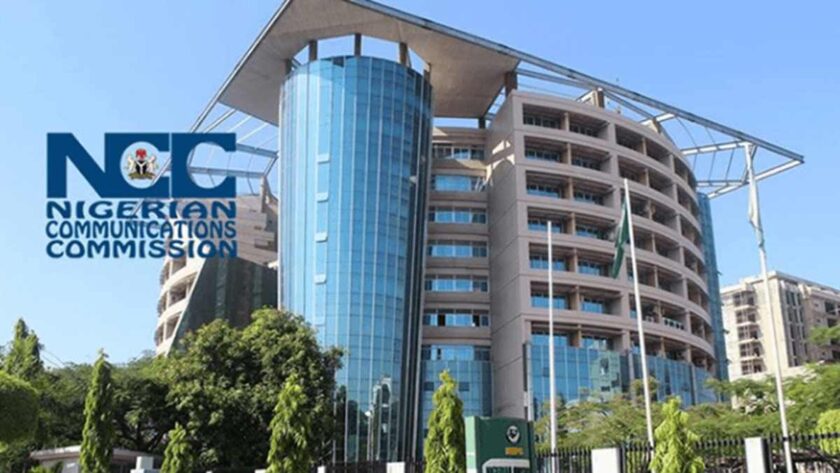
In a marked departure from traditional fines to direct consumer restitution, the Nigerian Communications Commission (NCC) has directed Mobile Network Operators (MNOs) to compensate subscribers whose experience of network quality falls below specified thresholds within specific locations.
According to a statement issued on Sunday by its Head of Public Affairs, Nnenna Ukoha, the regulator asserted that “subscribers should not bear the full burden of service disruptions where operators fail to meet prescribed standards.”
She stated that the compensation will be calculated based on users’ average spending and their presence within areas where service disruptions occurred.
“The compensation will be provided in the form of airtime credits, calculated based on subscribers’ average spending patterns and their presence within Local Government Areas where service failures occur,” the statement added.
Under this directive, erring operators will compensate affected users directly for breaches of Quality of Service (QoS) Key Performance Indicators (KPIs). Mobile Network Operators (MNOs) shall be required to pay these compensations for instances of poor quality of service recorded within specified time frames.
NCC emphasised that the new directive underscores its commitment to fairness, transparency, and accountability, while ensuring subscribers receive reliable and consistent telecom services nationwide.
The Commission noted that poor service delivery has far-reaching consequences, affecting productivity, business activities, and public confidence in the communications system.
The directive is said to be rooted in NCC’s broader regulatory philosophy that places the consumer at the centre of Nigeria’s telecommunications ecosystem. “The Commission has designed this measure to complement existing and ongoing efforts to strengthen service quality monitoring and enforce performance standards.”
NCC further disclosed that tower companies responsible for critical infrastructure such as masts would also be required to invest in infrastructure with measurable outcomes using sums that it has fined these companies, in addition to other financial fines the Commission will deem appropriate.
The regulator vowed to continue reinforcing the obligation of operators to invest consistently in network resilience, capacity expansion, and infrastructure upgrades to meet the growing demand for telecommunications services.
Top Society reports that telecommunications services underpin economic activity, social interaction, and access to digital opportunities.
When service quality is poor, the consequences affect productivity, commercial activities, and even public confidence in our communications system.
While regulatory fines have traditionally served as a deterrent against poor service delivery, the Commission is adopting a more consumer-focused approach that strengthens accountability within the industry.

