


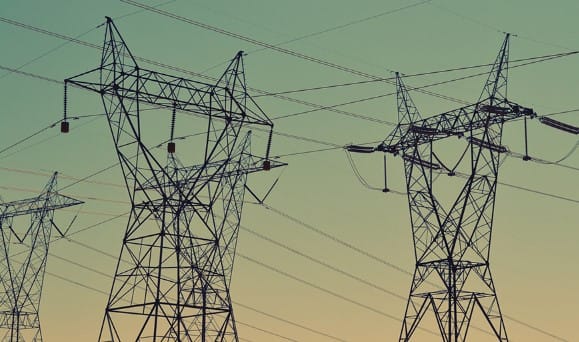
Nigerians experienced another nationwide blackout on Wednesday following a collapse of the national power grid, marking the 12th grid failure in 2024.
This series of breakdowns has raised serious concerns about the country’s electricity infrastructure and its management.
According to The PUNCH, the national grid has suffered 11 previous collapses from January to November. Notably, in October, the grid failed three times within a single week, leaving many Nigerians grappling with extended periods of darkness and disrupted daily activities.
Each collapse brought with it waves of public outcry, reflecting mounting frustration over the state of power supply in the country.
Confirming the latest incident, a tweet from the official account of Nigeria’s National Grid revealed that the collapse occurred at approximately 2:09 pm on Wednesday.
The tweet read, “The major grid setback has occurred and the restoration is to commence,” hinting at efforts to resolve the outage.
However, no specific timeline for full restoration was provided, leaving citizens uncertain about when normalcy would return.
The frequency of grid collapses this year has reached a historic high, highlighting the persistent challenges within Nigeria’s power sector. Despite numerous promises by successive administrations to improve electricity supply, the recurring failures underscore systemic issues, including aging infrastructure, insufficient investment, and poor maintenance practices.
The October collapses, in particular, sparked widespread criticism and questions about accountability.
Many Nigerians expressed their dissatisfaction through social media platforms, with some calling for a complete overhaul of the power sector. Others demanded greater transparency from government agencies and private firms responsible for electricity generation, transmission, and distribution.
Experts in the power industry have pointed to various factors contributing to the grid’s instability, such as inadequate generation capacity, transmission bottlenecks, and frequent equipment failures. Some also argue that the lack of effective policies and regulatory oversight exacerbates the situation, leaving millions of Nigerians without reliable electricity.
The latest collapse adds to the urgency for comprehensive reforms to stabilize the grid and ensure sustainable power supply. As the nation grapples with this chronic issue, citizens continue to await concrete solutions that will end the cycle of darkness and pave the way for consistent electricity delivery.