


Football fans across Nigeria expressed frustration and disappointment after another collapse of the national electricity grid left many households without power during crucial World Cup matches. The outage, which affected several cities and communities across the country, sparked widespread reactions on social media as supporters joked and complained about being unable to watch the highly anticipated games.
The incident occurred during a period when many football enthusiasts had gathered in homes, viewing centers, and local bars to follow World Cup fixtures. However, the sudden loss of electricity disrupted television broadcasts, forcing some fans to search for alternative ways to keep up with the matcheFor many Nigerians, watching international football tournaments is a major social activity. Friends and families often gather to support their favorite teams, discuss tactics, and celebrate memorable moments. When the electricity supply failed, that experience was abruptly interrupted, leaving supporters frustrated.
Some fans immediately turned to social media platforms to express their disappointment. Posts and comments flooded the internet, with users joking that the national grid seemed to collapse at the worst possible time. Others sarcastically remarked that the power outage had become a familiar occurrence whenever major sporting events were taking place.
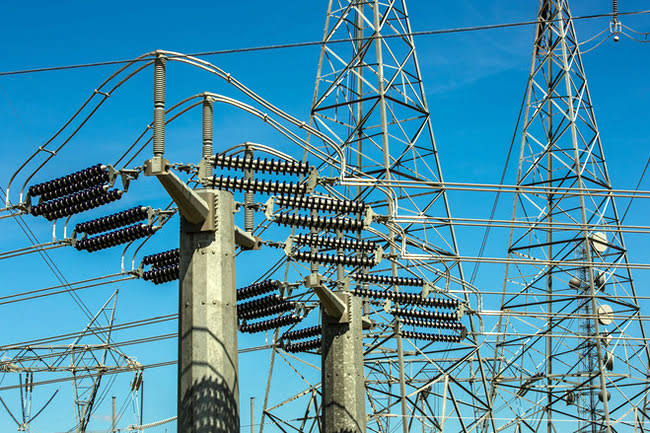
Nigeria’s electricity grid has experienced multiple collapses in recent years, often resulting in widespread blackouts. The grid, which distributes electricity across the country, depends on a network of generation plants, transmission lines, and distribution systems. When a major disruption occurs in any part of this network, it can cause a cascading failure that leads to a nationwide outage.
The country’s power transmission network is managed primarily by the Transmission Company of Nigeria, which oversees the movement of electricity from generating stations to distribution companies. Despite ongoing reforms in the power sector, the grid continues to face technical and operational challenges that sometimes lead to interruptions in supply.
Experts say several factors contribute to the instability of the national grid. These include aging infrastructure, insufficient generation capacity, transmission bottlenecks, and technical faults within the system. In some cases, sudden fluctuations in electricity load can also trigger system failures.
For football fans hoping to watch matches in the ICC Men’s T20 World Cup and other global tournaments, such outages are particularly frustrating. Major sporting events typically attract millions of viewers, and viewing centers often rely heavily on stable electricity to broadcast games.
In some areas, viewing centers quickly switched to generators in order to continue showing the matches. The loud sound of backup generators became common in many neighborhoods as business owners scrambled to keep their televisions running for customers who had gathered to watch the games.
However, not every household or viewing center has access to a generator. Many fans were forced to follow the matches through mobile phones using internet streaming services, while others relied on radio commentary or social media updates to keep track of scores.
The grid collapse also reignited broader discussions about the challenges facing Nigeria’s power sector. For years, citizens and businesses have called for significant improvements in electricity supply, arguing that reliable power is essential for economic development and quality of life.
Businesses across the country frequently rely on alternative power sources such as generators and solar systems due to the inconsistency of public electricity supply. While these alternatives help bridge the gap, they also increase operating costs and environmental concerns.
Energy analysts say improving the stability of the national grid requires long-term investments in infrastructure, better maintenance of existing facilities, and stronger coordination among power generation, transmission, and distribution companies. Expanding electricity generation capacity and upgrading transmission lines are often cited as key steps toward achieving a more reliable system.
Government officials have repeatedly stated that reforms in the electricity sector are ongoing. Authorities have announced plans to strengthen the grid, improve regulatory oversight, and encourage private sector investment in energy infrastructure. However, progress has been gradual, and many Nigerians still experience frequent power interruptions.
Despite the disappointment caused by the blackout, football fans attempted to maintain their sense of humor.
Memes and jokes about the situation quickly circulated online, with some users suggesting that watching football in Nigeria requires not only passion for the sport but also a dependable generator.
For supporters who had eagerly waited for the World Cup matches, the outage was a reminder of how infrastructure challenges can affect everyday experiences, even during moments meant for entertainment and celebration.
As the tournament continues, many fans hope that electricity supply will remain stable during upcoming matches so they can enjoy the excitement of international football without interruption. At the same time, the latest grid collapse has renewed calls for lasting improvements to Nigeria’s power sector to ensure that such disruptions become less frequent in the future.