


As escalating conflict in the Middle East significantly disrupt shipments of oil through the Strait of Hormuz, a critical artery for global energy flows, major fuel marketers in Nigeria have assured that the country currently has a stockpile of over 30 days of petrol supply, shielding consumers from immediate shortages.
Top Society reports that the International Energy Agency (IEA) has stated that about 600,000 barrels per day of petroleum products typically destined for Africa from the Middle East are now at risk, as tanker traffic through the corridor slows to a trickle.
A report by Bloomberg noted that the unfolding disruption is exposing long-standing structural weaknesses in Africa’s energy system, particularly the continent’s heavy dependence on imported refined products due to years of refinery closures and underinvestment.
Overall, the continent lost the entire 580,000 metric tonnes recorded at the start of the quarter, underscoring a total supply breakdown within just three months and reflecting the severity of disruptions in global fuel trade flows. This is all tied to the war against the Iranian regime by the United States and Israel.
However, the reassurance of Nigeria’s buffer emerged from a timely high-level webinar convened on Wednesday by the Major Energies Marketers Association of Nigeria (MEMAN), in collaboration with S&P Global Energy.
The forum dissected the ripple effects of geopolitical strife on supply chains, pricing stability, and Nigeria’s evolving deregulated fuel market—a shift that began gaining steam in 2023 to end decades of government price controls.
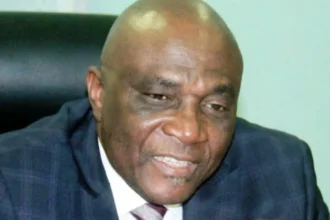
MEMAN chairman, Huub Stokman, called the situation a “mixed bag”—good for oil producers but tough on fuel sellers and buyers. He pointed to volatile prices, higher shipping costs, and shifts in supply as countries seek new oil sources.
Stokman highlighted Nigeria’s strengths, like the Dangote Refinery, which helps shield against shocks. “While it creates opportunities for producers, it exerts immense pressure on downstream operators and, ultimately, consumers,” he declared.
Stokman detailed the fallout: wild price swings, ballooning shipping and insurance premiums, and nations scrambling for alternative crude amid disrupted routes. For Nigeria, he said, this is a pivotal moment.
“We stand at a strategic crossroads, with potential to emerge as a reliable global energy partner if structural bottlenecks are addressed decisively,” he added, listing pipeline insecurity from theft and sabotage, regulatory uncertainties, and crumbling infrastructure as top barriers.
A bright spot, per Stokman, is the rise of local refining, led by the massive Dangote Refinery, now operational and producing. “It acts as a buffer against shocks, though we must watch risks from supply concentration,” he warned.
Fuel prices remained linked to international benchmarks, with lags in adjustments blamed on inventory cycles and tight working capital.
Crucially, he confirmed NNPC Ltd.’s role as supplier of last resort, underpinning the 30-day petrol buffer that offers breathing room.
From a global perspective, S&P experts warned of tighter fuel markets, especially for diesel and jet fuel, due to disruptions such as Iran’s output cuts and ships rerouting around Africa’s Cape of Good Hope.
S&P Global’s Gary Clark provided a global lens, noting refined product markets are “tightening amid rising margins for diesel and jet fuel.”
He attributed this to Iranian disruptions, elevated risk premiums, and vessels diverting around Africa’s Cape of Good Hope to avoid conflict zones—hikes that are hitting European markets hard and driving up freight costs everywhere.
Also, S&P Global Energy’s head of Fuels and Refining, Stanislas Drochon, zoomed in on Africa’s soft spots.
According to him, “Sub-Saharan Africa remains highly vulnerable due to import dependence, weak refining capacity, and limited storage infrastructure.
“Energy security is not just about supply. It is about reliability, affordability, and accessibility, requiring sustained investment across the entire value chain,” he said, stressing that this underscores the urgency of self-reliance for an import-heavy Nigeria.