



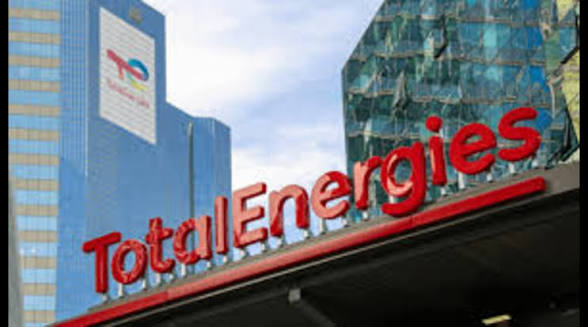
Shareholders of TotalEnergies Marketing Nigeria Plc are increasingly calling for a fundamental rethink of the company’s business strategy as Nigeria’s downstream petroleum sector continues to undergo rapid and often disruptive changes.
The concern reflects broader anxieties within the energy industry, where shifting regulations, volatile pricing structures, foreign exchange pressures, and changing consumer behavior are reshaping long-standing business models.
At the center of the shareholders’ concerns is the belief that the traditional approach to fuel marketing and distribution may no longer be sufficient to guarantee sustainable growth. Investors argue that while the company has maintained a strong brand presence and operational footprint across Nigeria, the current economic environment demands more adaptive, technology-driven, and diversified strategies.
Nigeria’s downstream petroleum sector has experienced significant transformation in recent years. Policy adjustments affecting fuel pricing, subsidy removal, and import dynamics have altered the competitive landscape. Companies that once relied heavily on stable import margins and predictable demand patterns now operate in an environment where costs fluctuate frequently and consumer purchasing power is under pressure. These realities have forced many operators, including TotalEnergies Marketing Nigeria Plc, to reassess their cost structures and long-term positioning.
Shareholders’ renewed concerns stem largely from performance expectations and the need for consistent returns. Investors typically expect steady dividends and growth from established energy marketing companies, but recent market volatility has created uncertainty around profitability. Rising logistics costs, foreign exchange instability, and infrastructure challenges have all contributed to tighter margins across the sector. As a result, shareholders are pushing management to identify innovative solutions capable of stabilizing earnings and improving resilience.
A key theme emerging from investor discussions is the need for operational efficiency. Shareholders are urging the company to streamline its supply chain processes, optimize fuel distribution networks, and reduce inefficiencies that could erode profitability. In a market where transportation costs and depot operations are increasingly expensive, even small inefficiencies can significantly impact overall financial performance.
Digital transformation has also become a central focus of shareholder expectations. Investors believe that modernizing operations through technology could unlock new levels of efficiency and customer engagement. This includes expanding digital payment systems at retail stations, improving automated inventory tracking, and leveraging data analytics to better understand consumption patterns across different regions. By adopting smarter systems, the company could potentially reduce operational costs while improving service delivery.
Another area of concern is competition. The downstream sector in Nigeria has become more competitive due to the entry of new players and the expansion of independent marketers. This increased competition has placed pressure on traditional oil marketing companies to differentiate themselves not just through pricing, but also through service quality, infrastructure reliability, and customer experience. Shareholders argue that TotalEnergies must strengthen its competitive positioning by offering more value-added services beyond fuel sales.
Diversification is also a major point of discussion. Many investors believe that reliance solely on petroleum product marketing exposes the company to long-term risks, especially as global energy transition trends continue to reshape the industry. As renewable energy adoption gradually increases and electric mobility gains traction in various parts of the world, shareholders are urging the company to explore alternative energy investments within the Nigerian market.
These diversification opportunities may include investments in cleaner energy solutions, expansion into gas-related infrastructure, and development of energy-efficient services. While Nigeria’s energy transition is still in its early stages compared to more developed markets, shareholders argue that early positioning could provide a strategic advantage in the future.
In addition to diversification, there is also a strong push for stronger risk management practices. Investors are concerned about exposure to currency fluctuations and import dependency, both of which can significantly impact operational stability. Strengthening hedging strategies, improving local sourcing where possible, and building more resilient supply chains are among the suggestions being discussed.
Despite the concerns, shareholders continue to acknowledge the company’s established market presence and historical performance. TotalEnergies Marketing Nigeria Plc remains one of the most recognizable names in Nigeria’s downstream sector, with a widespread retail network and a long-standing reputation for quality service. However, investors emphasize that past success alone is not sufficient to guarantee future growth in a rapidly changing environment.
Management is therefore under increasing pressure to balance short-term financial performance with long-term strategic transformation. This includes maintaining profitability in a challenging macroeconomic climate while simultaneously investing in innovation and future-ready business models. Striking this balance is seen as essential for maintaining investor confidence.
Another important dimension of the shareholders’ expectations relates to transparency and communication. Investors are calling for clearer updates on strategic direction, financial outlook, and risk mitigation plans. In an environment of uncertainty, consistent and transparent communication is seen as crucial for maintaining trust between management and shareholders.
Industry analysts suggest that the challenges facing TotalEnergies Marketing Nigeria Plc are not unique but rather reflective of broader systemic changes within Nigeria’s energy sector. The removal of long-standing subsidies, fluctuations in global oil prices, and domestic currency pressures have combined to create a complex operating environment for all downstream operators.
Looking ahead, the company’s ability to respond effectively to these pressures will likely determine its long-term competitiveness. Strategic agility, investment in innovation, and a willingness to adapt to changing market realities are expected to play key roles in shaping its future trajectory.
Ultimately, the shareholders’ call for a new business strategy reflects a broader shift in expectations across Nigeria’s corporate landscape. Investors are no longer satisfied with conventional operating models in sectors undergoing structural change. Instead, they are demanding forward-looking strategies that prioritize resilience, diversification, and technological integration.
For TotalEnergies Marketing Nigeria Plc, this moment represents both a challenge and an opportunity. While the pressures are significant, they also provide a chance to redefine its role within Nigeria’s evolving energy ecosystem and position itself for long-term relevance in a rapidly transforming industry.