





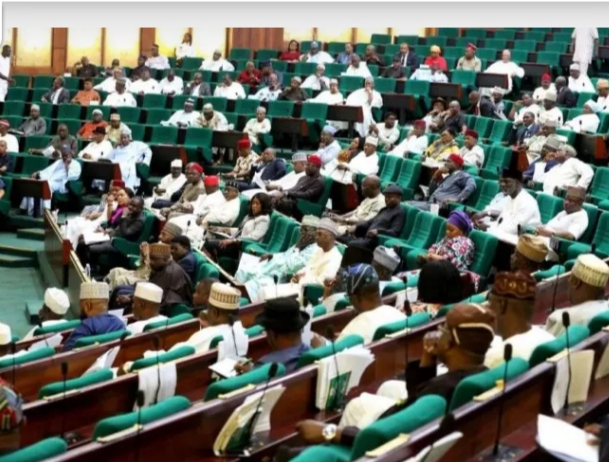
The House of Representatives has commenced steps to investigate the impact of xenophobic attacks on Nigerians living in South Africa, with lawmakers seeking a clearer picture of the human and economic losses suffered over the years.
The proposed investigation will focus on the number of Nigerians killed, injured or displaced during the attacks, as well as businesses, homes and investments lost as a result of the violence. Lawmakers also want to identify properties abandoned by Nigerians who fled South Africa due to security concerns.
The move followed the adoption of a motion sponsored by Babajimi Benson during Tuesday’s plenary session.
While presenting the motion, Benson recalled Nigeria’s significant contribution to South Africa’s liberation struggle during the apartheid era. He noted that Nigeria provided substantial diplomatic, financial and political support to the anti-apartheid movement, helping pave the way for democratic rule in South Africa.
Despite the close historical ties between both countries, the lawmaker said Nigerians living in South Africa have repeatedly faced hostility and violent attacks. According to him, many victims have suffered physical assaults, loss of lives, destruction of property and displacement from their communities.
He pointed out that outbreaks of xenophobic violence have occurred several times over the past two decades, creating tension between Nigeria and South Africa and forcing authorities to evacuate affected Nigerians on some occasions.
Benson also expressed concern over the growing activities of anti-immigrant groups and campaigns that target foreign nationals. He said recent threats and anti-foreigner rhetoric have heightened fears among Nigerians and other African migrants, leading some to abandon businesses and investments built over many years.
According to the lawmaker, previous condemnations and diplomatic engagements have failed to produce a comprehensive record of the true scale of losses suffered by Nigerians. He argued that without reliable data, it remains difficult for the government to pursue effective policies, seek justice for victims or engage South Africa on compensation and protection measures.
He maintained that a detailed legislative inquiry would help establish the full extent of the damage caused by xenophobic violence and provide a basis for future action.
Following the adoption of the motion, the House directed its Committees on Diaspora Affairs, Foreign Affairs, and African Integration and Cooperation to carry out the investigation.
The committees have been given four weeks to submit their findings and recommendations.
The report is expected to propose diplomatic, legal and bilateral measures aimed at protecting Nigerians living in South Africa, ensuring accountability for perpetrators and strengthening safeguards against future attacks.

