






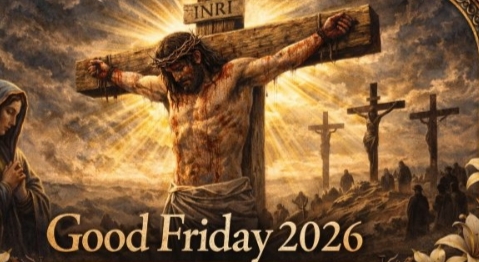
Christians around the world are observing Good Friday today, April 3, 2026, marking one of the most solemn and important days in the Christian calendar.
The day commemorates the crucifixion and death of Jesus Christ, an event regarded as central to the message of faith, sacrifice, and redemption in Christianity.
Good Friday is not a celebration but a time of deep reflection. For many believers, it is a day to remember the suffering Jesus endured and the ultimate sacrifice he made. Because of this, expressions like “Happy Good Friday” are often avoided, as they do not reflect the serious and reflective nature of the occasion.
The meaning behind Good Friday
Despite its somber tone, the term “Good” Friday carries a spiritual meaning. In this context, “good” is understood to mean holy or sacred. Some scholars also suggest that the name may have evolved from the phrase “God’s Friday,” highlighting its religious importance.
The day is a key part of the Easter Triduum, a three-day period that includes Good Friday, Holy Saturday, and Easter Sunday. This period represents the final moments of Jesus Christ’s life, his burial, and his resurrection. While Good Friday focuses on sorrow and sacrifice, it also prepares believers for the joy of Easter Sunday.
A day of reflection and sacrifice
Across different countries and denominations, Christians observe Good Friday in various ways, but the central theme remains the same—quiet reflection and reverence.
Many people attend special church services where the story of Jesus Christ’s crucifixion is retold. These services often include prayers, hymns, and readings from the Bible. Some churches also hold processions or reenactments to help believers reflect on the events of the day.
Fasting is another common practice. Many Christians either avoid food for certain hours or choose simple meals as a sign of humility and remembrance. Others spend time in personal prayer, meditation, and reading religious texts.
The mood of the day is usually calm and serious, with believers focusing on themes such as sacrifice, forgiveness, love, and redemption.
Appropriate ways to greet others
Because of the solemn nature of Good Friday, many people choose their words carefully when greeting others. Instead of festive messages, more thoughtful expressions are preferred.
Common greetings include:
“Have a blessed Good Friday”
“Wishing you a peaceful Good Friday”
“Have a meaningful Good Friday”
These messages better reflect the purpose of the day, which is to honour the sacrifice of Jesus Christ.
From sorrow to celebration
Good Friday is closely linked to Easter Sunday, which follows two days later. While Good Friday represents suffering and death, Easter celebrates the resurrection of Jesus Christ and the promise of new life.
This transition from sorrow to joy is at the heart of the Christian faith. It reminds believers that even in moments of pain and hardship, there is hope and renewal.
A lasting message of faith
The importance of Good Friday goes beyond a single day. It serves as a reminder of the core values of Christianity love, sacrifice, forgiveness, and hope.
As Christians observe the day in prayer and reflection, the message of Good Friday continues to resonate, leading into the celebration of Easter and reinforcing the belief in redemption and new beginnings.

