






The political atmosphere within Lagos State’s chapter of the All Progressives Congress (APC) witnessed a fresh wave of discussion and analysis following the withdrawal of lawmaker and actor-turned-politician, Desmond Elliott, from the Lagos State House of Assembly primary election.
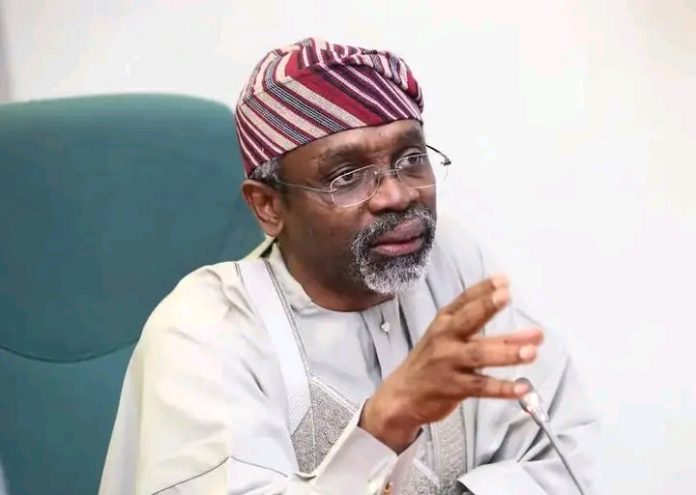
The development, which surprised many political observers, drew immediate reaction from Chief of Staff to the President and former Speaker of the House of Representatives, Femi Gbajabiamila, who described the primary process as a strong example of internal democracy within the ruling party.
Gbajabiamila commended the Lagos APC leadership for conducting what he called an orderly, transparent, and peaceful exercise. According to him, the smooth conduct of the primary election reflects the maturity of the party’s internal structures and demonstrates the commitment of party members to preserving unity ahead of future electoral contests.
Desmond Elliott’s decision to withdraw from the race came as a surprise to many supporters, especially given his established presence in Lagos politics over the past several years. Having represented Surulere Constituency in the Lagos State House of Assembly since 2015, Elliott has become one of the most visible faces in the state legislature.
His transition from a successful entertainment career into politics had once been regarded as an example of how public figures could successfully reinvent themselves in service to governance.
Though Elliott has yet to offer a detailed public explanation for his withdrawal, party insiders suggest the decision followed consultations with senior political stakeholders and may have been part of broader strategic realignments within the APC. Such moves are not unusual in Lagos politics, where consensus-building and negotiations often shape the final outcome of internal contests.
Gbajabiamila’s remarks were seen by many as an effort to reassure party members that the withdrawal should not be interpreted as a crisis but rather as evidence of discipline and collective interest taking precedence over personal ambition. He praised Elliott for what he described as political maturity, noting that sacrifice is sometimes necessary for party stability and long-term success.
Observers say Elliott’s withdrawal may signal a calculated repositioning rather than a political retreat. Lagos politics has long been driven by strategic alliances, and stepping aside at one moment often creates room for future opportunities elsewhere within the political structure. Analysts believe the actor-turned-politician remains an influential figure whose political relevance is unlikely to diminish despite his decision.
The APC in Lagos has historically maintained strong internal cohesion compared to many state chapters across Nigeria. This has often been credited to effective leadership coordination and an emphasis on resolving disputes before they escalate publicly. Gbajabiamila’s endorsement of the primary process appears aimed at reinforcing this image of stability as the party prepares for more intense political competition in the years ahead.
For many supporters, Elliott’s withdrawal also raises questions about succession planning in Surulere and the emergence of new political actors who may now step forward to shape the constituency’s future. The area remains politically significant within Lagos due to its vibrant demographic mix and strategic electoral influence.
Across the state, reactions have remained mixed. Some party loyalists praised the development as proof of APC discipline, while others expressed disappointment at losing a familiar representative who had built strong grassroots visibility over multiple terms.
Still, political watchers agree that the bigger message from the episode is the APC’s effort to project unity and institutional order. In a political climate often marked by internal disputes and public disagreements, Lagos APC appears determined to present itself as organised and forward-looking.
As attention shifts toward future electoral calculations, the withdrawal of Desmond Elliott and Gbajabiamila’s strong endorsement of the process underline a familiar lesson in Nigerian politics: sometimes stepping aside can be just as strategic as stepping forward.

