

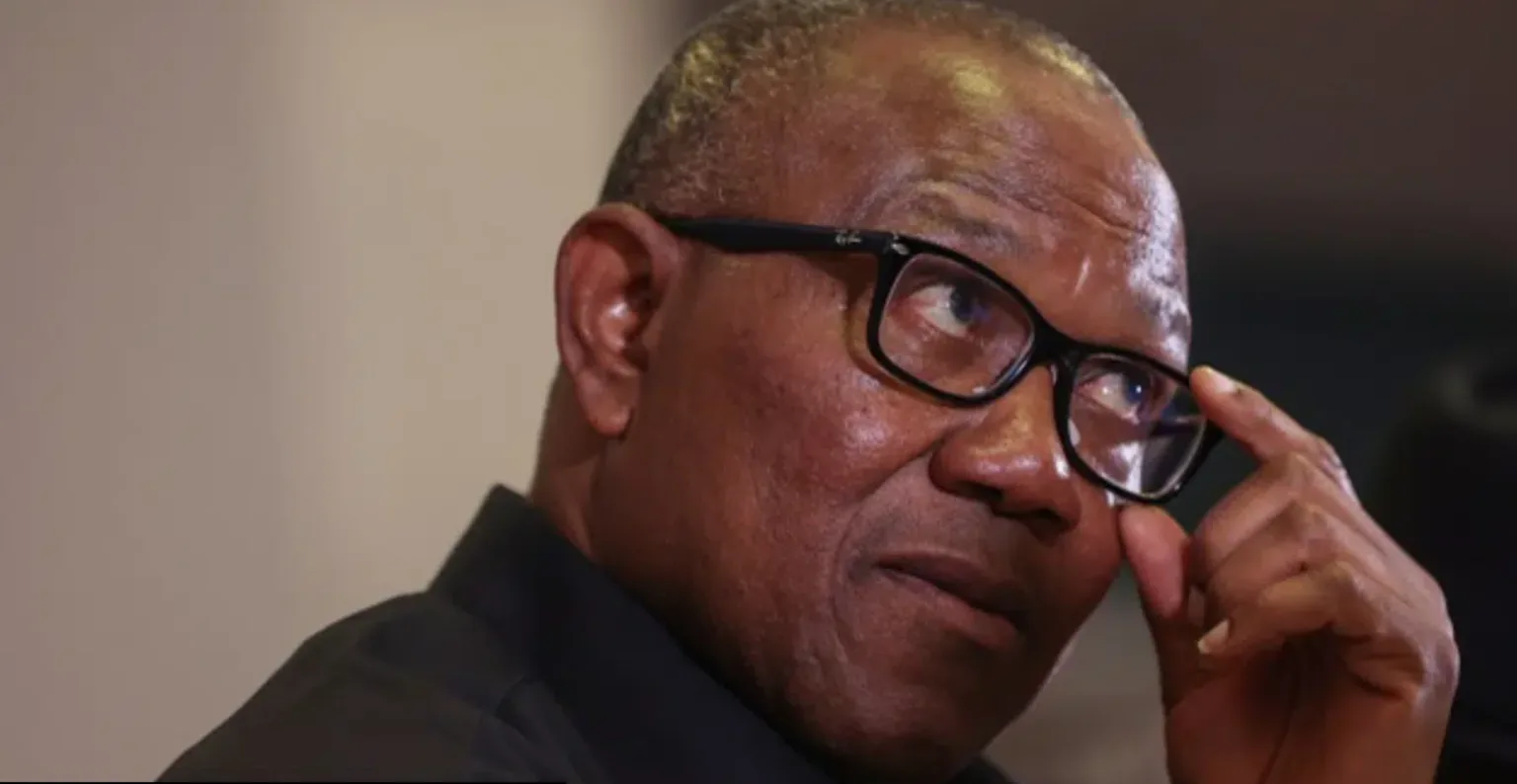
The presidential candidate of the Nigerian Democratic Congress (NDC), Peter Obi, has said the 2027 general election will be more than a routine political contest, describing it as a defining moment in which Nigerians will determine the direction of the country and decide whether the current administration deserves another term.
Speaking in a video that has attracted widespread attention across social media platforms, Obi reiterated his belief that he emerged victorious in the 2023 presidential election but alleged that the outcome was manipulated. However, he insisted that rather than dwelling on the past, his focus is on the future of Nigeria and the urgent need for transformational leadership.
According to the former Anambra State governor, the 2027 election will not simply pit political parties against one another but will instead represent a choice between the Nigerian people and the government currently in power. He argued that widespread dissatisfaction with the nation’s economic and social conditions has created a growing desire among citizens for meaningful change.
Obi maintained that many Nigerians have endured years of economic hardship, insecurity and declining living standards without experiencing the improvements they were promised. He said these challenges have convinced many citizens that a different style of leadership is necessary if the country is to overcome its present difficulties.
Reflecting on the 2023 presidential election, Obi repeated his long-standing claim that he secured the majority of lawful votes cast during the exercise. While acknowledging that he believes the election was not conducted in a manner that reflected the genuine wishes of voters, he stated that he does not intend to remain preoccupied with what happened. Instead, he emphasized that his attention is firmly fixed on the next electoral cycle and the opportunity it presents for Nigerians to shape their future.
He argued that leadership remains the country’s greatest challenge, insisting that many of Nigeria’s problems can be traced to poor governance and ineffective decision-making. According to him, the nation’s abundant human and natural resources can only be fully harnessed when leaders place the interests of the people above personal or political considerations.
Obi noted that Nigerians have made enormous sacrifices over the years, enduring rising costs of living, unemployment, inflation and other economic pressures. Despite these sacrifices, he said many citizens have yet to experience significant improvements in their quality of life. This, he argued, has strengthened public determination to seek a new direction through the democratic process.
He expressed confidence that Nigerians have become more politically aware following previous election experiences and are now better prepared to defend their votes and actively participate in shaping the country’s democratic future. According to him, citizens have drawn valuable lessons from past elections and will play a more decisive role in determining the outcome of future polls.
Obi stressed that democracy ultimately belongs to the people and that the electorate possesses the constitutional authority to decide who governs them. He said he believes Nigerians will make informed decisions based on their experiences and expectations for a better future.
The former governor also sought to clarify the motivation behind his continued political involvement, insisting that his ambition is not driven by a personal desire to occupy the nation’s highest office. Rather, he said his primary objective is to help create a Nigeria where every citizen has equal opportunities to succeed regardless of social background or family connections.
According to Obi, he envisions a country where hard work, competence and integrity determine success instead of privilege or political influence. He said every Nigerian child should be able to aspire to greatness without being limited by circumstances beyond their control.
He further argued that building such a society requires purposeful leadership, transparent governance and policies that place the welfare of citizens at the centre of national development. In his view, restoring public confidence in government will depend largely on leaders demonstrating accountability, competence and a genuine commitment to improving the lives of ordinary Nigerians.
Obi reiterated that his desire is to witness the emergence of a nation where young people can access quality education, secure meaningful employment and pursue their dreams without feeling compelled to leave the country in search of better opportunities abroad. He maintained that Nigeria possesses the resources and potential to become one of Africa’s leading economies if properly managed.
He also emphasized the importance of hope, saying many Nigerians have become discouraged by persistent economic and social challenges. According to him, restoring confidence among citizens will require leadership that inspires trust and delivers measurable results.
The former presidential candidate said the country has reached a point where substantial reforms can no longer be postponed. He argued that effective leadership is the missing ingredient required to unlock Nigeria’s enormous potential and place the nation on the path of sustainable growth and development.
Obi’s latest remarks come as political conversations surrounding the 2027 general election continue to gather momentum. Although the election is still some time away, major political parties, opposition figures and stakeholders have already begun positioning themselves ahead of what is expected to be another fiercely contested presidential race.
Observers believe discussions surrounding governance, economic performance, security, electoral reforms and accountability are likely to dominate political campaigns as parties seek to convince voters of their capacity to address the country’s pressing challenges.
As preparations gradually intensify, Obi’s comments have added to the ongoing national conversation about Nigeria’s political future. His insistence that the next presidential election will ultimately be decided by the Nigerian people reflects his confidence in the democratic process and his belief that citizens will carefully evaluate the performance of those currently in office before casting their votes.
With political activities expected to increase in the coming months, the 2027 general election is already shaping up to be a significant milestone in Nigeria’s democratic journey, as parties, candidates and voters prepare for another opportunity to determine the country’s leadership and future direction.