






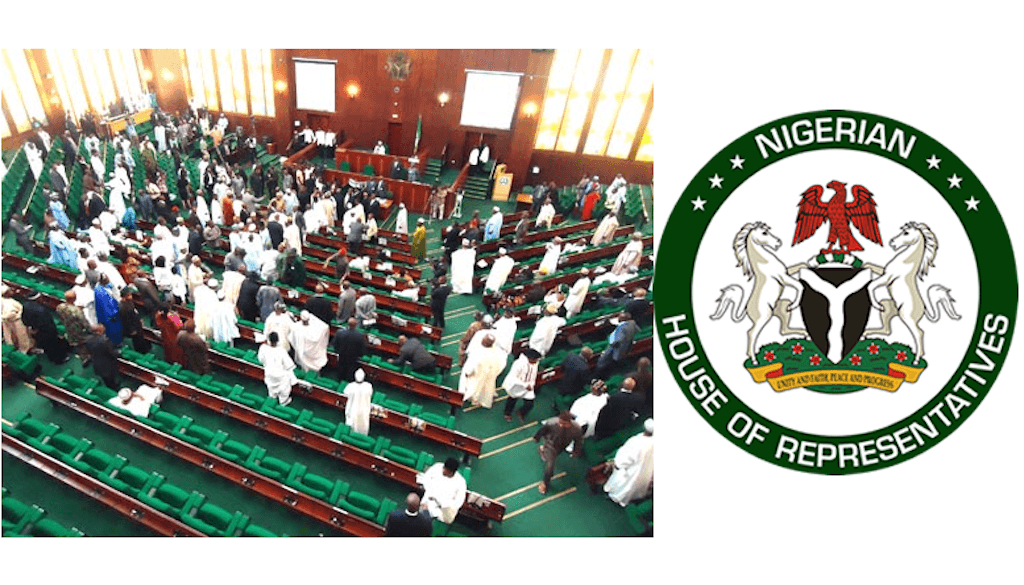
The House of Representatives has assured Nigerians that the proposed creation of state police will not turn into a tool for political intimidation or become private armies controlled by state governors.
The reassurance came amid growing public debate over ongoing efforts to amend the Constitution to allow states to establish and operate their own police forces. While many Nigerians have welcomed the proposal as a way to improve security, others have raised concerns that governors could misuse state police for political purposes, particularly during elections or against perceived opponents.
Responding to these concerns, members of the House of Representatives stated that the constitutional amendment being considered contains adequate safeguards designed to prevent abuse. According to lawmakers, the proposed legal framework will clearly define the powers, responsibilities, and operational limits of state police, ensuring that the institutions remain accountable to the law rather than individual political office holders.
They explained that various oversight mechanisms would be built into the system to guarantee professionalism, transparency, and respect for citizens’ rights. These measures, they said, are intended to prevent arbitrary use of security personnel and ensure that state police operate within constitutional boundaries.
The lawmakers emphasized that the current centralized policing structure has faced increasing challenges in responding effectively to the country’s diverse security threats. They argued that state police would complement the existing Nigeria Police Force by improving local intelligence gathering, strengthening community policing, and enabling quicker responses to crimes and emergencies.
According to the legislators, many of Nigeria’s security challenges—including kidnapping, banditry, communal conflicts, and other violent crimes—require localized policing strategies that officers familiar with their communities are better positioned to provide.
The House also noted that fears surrounding political interference are understandable but should not overshadow the potential benefits of decentralizing policing. Members maintained that no democratic institution is entirely free from the risk of abuse, but effective laws, independent oversight, and strong institutions remain the best safeguards against misconduct.
Lawmakers further pointed to the experiences of several federal systems around the world where state or regional police coexist with national police forces under clearly defined constitutional arrangements. They argued that Nigeria can adopt a similar model while tailoring it to its unique political and security environment.
The debate over state police has intensified in recent years as insecurity continues to affect many parts of the country. Several state governors, traditional rulers, civil society organizations, and security experts have repeatedly advocated for decentralized policing, arguing that the current system places excessive pressure on the federal police.
Supporters of the proposal believe that state police would enhance public safety by allowing faster deployment of personnel, better knowledge of local terrain, and improved collaboration with communities. However, critics continue to caution that without strong legal safeguards, the system could be vulnerable to political manipulation.
The House of Representatives reiterated that ongoing consultations with stakeholders are aimed at producing legislation that balances security needs with democratic accountability. Lawmakers said public input remains important as the constitutional amendment process progresses.
They reaffirmed their commitment to ensuring that any eventual state police system serves the interests of all Nigerians, protects fundamental human rights, and strengthens national security rather than partisan politics.
As discussions continue, the assurance from the House seeks to address one of the major concerns surrounding the proposed reform, with lawmakers insisting that the objective is to create a more effective, accountable, and people-oriented policing system capable of addressing Nigeria’s evolving security challenges.

