



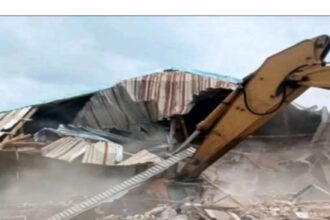


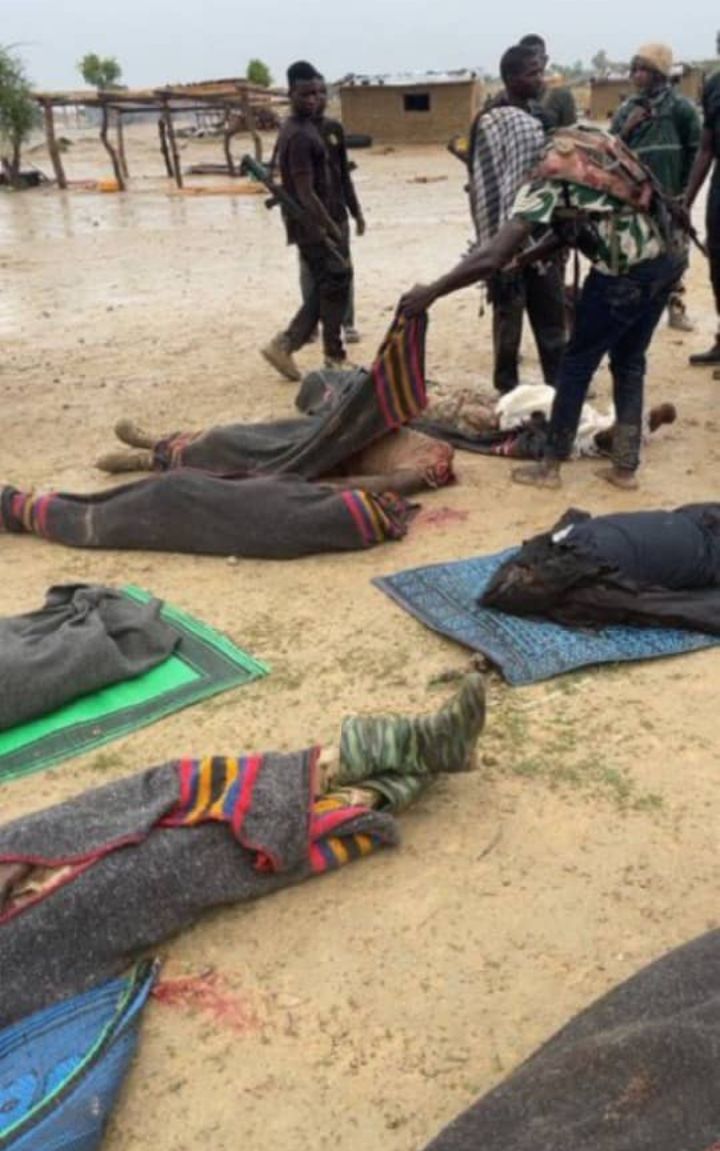
A video has been widely shared across multiple social media platforms in recent days, with users claiming it shows a violent incident involving soldiers.
The clip has attracted significant attention online, triggering strong emotional reactions, concern, and debate among viewers who believe it may be linked to a recent security situation.
In the footage, a chaotic and distressing scene is presented, which has led many individuals to quickly associate it with ongoing insecurity in parts of the country. However, despite the widespread circulation and the seriousness of the claims attached to it, the video has not been independently verified by the Nigerian military or confirmed by any recognized and credible news organization.
At this stage, there is no official confirmation regarding the origin of the video, the location where it was recorded, or whether it has any connection to Nigerian soldiers or any recent military operation. The absence of verified details means that the claims being circulated alongside the clip remain unconfirmed and speculative.
As the video continues to spread rapidly online, different interpretations have emerged. Some social media users insist it shows a recent attack on soldiers, while others argue that it may be unrelated to Nigeria entirely. This disagreement reflects a common issue seen during periods of heightened insecurity, where unverified content can quickly be linked to sensitive national events without evidence.
In many past situations, similar videos have later been proven to be misleading. Some were discovered to have been recorded years earlier during unrelated conflicts, while others originated from different countries altogether. In several cases, footage from entirely different incidents was reposted with new captions, creating the false impression that it was current or locally relevant.
This pattern is not unusual in the digital age, especially during times of crisis or public fear. Graphic or emotionally charged videos tend to spread quickly, often without proper fact-checking. Once such content begins circulating, it can be difficult to control its spread, even when corrections or clarifications are later issued.
Another important factor contributing to confusion is the way content is shared on social media platforms. Videos are frequently reposted without their original context, and captions added by users can significantly alter the perceived meaning of the footage. As a result, viewers may interpret a scene in a completely different way from what actually occurred.
Security analysts and media observers consistently advise caution when engaging with unverified visual content, particularly in relation to sensitive topics such as military operations or national security. They emphasize that authenticity cannot be determined based solely on the graphic nature of a video or the emotions it evokes. Instead, verification requires clear evidence such as credible sourcing, official confirmation, time and location data, and corroboration from trusted reporting channels.
In Nigeria, when incidents involving military personnel occur, official statements are typically issued by the Defence Headquarters or relevant security agencies. These statements usually provide clarification on the nature of the incident, including details of casualties, locations, and operational context. In situations where such confirmation has not been provided, it is generally not appropriate to treat circulating claims as factual.
The rapid spread of this particular video also highlights a broader challenge facing online information ecosystems today. In moments of tension or insecurity, misinformation can travel faster than verified reporting. Emotional content, especially footage that appears violent or dramatic, often gains attention quickly and is shared widely before its accuracy is questioned.
This dynamic can create unnecessary panic, fuel speculation, and contribute to misunderstanding of complex security situations. It can also place additional pressure on authorities, who must respond not only to real incidents but also to rumours and misinterpretations circulating in public spaces.
At the same time, it is important to acknowledge that Nigeria has faced real and ongoing security challenges in several regions, particularly in areas affected by insurgent activity. Incidents involving attacks on military personnel and civilians have been documented over time. However, the existence of real violence does not automatically validate every piece of content shared online claiming to represent such events.
For this reason, each claim must be assessed individually and carefully, based on verified evidence rather than assumptions or emotional reactions. The presence of a video alone is not sufficient proof of authenticity, especially when no supporting confirmation has been provided by official or reputable sources.
As of now, the circulating video remains unverified, and its connection to any actual military incident has not been established. While it continues to generate discussion and concern online, responsible reporting and information sharing require that conclusions be withheld until credible evidence is made available.
In the meantime, the public is advised to approach such content with caution, avoid spreading unconfirmed claims, and rely on trusted news outlets and official statements for accurate updates. In sensitive situations like this, verification is essential to ensure that information shared does not unintentionally mislead or contribute to public confusion.
Until further confirmation is released by relevant authorities, the video should be regarded as unconfirmed material circulating online, rather than established fact.

