






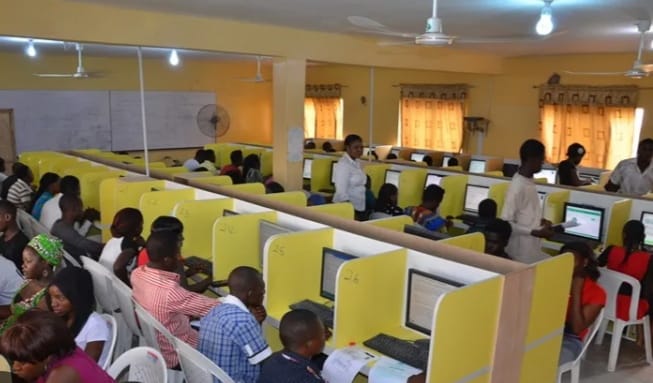
Across Nigeria, conversations have intensified following a wave of incidents linked to the Unified Tertiary Matriculation Examination (UTME).
What should have been a routine academic milestone has instead become a national talking point, as exam results, emotional reactions, and reports of a tragic death at a centre have stirred concern among parents, students, and educators alike.
For millions of young Nigerians, the UTME represents more than just an entrance exam. It is widely seen as a gateway to opportunity a single test that can shape academic futures and, by extension, life trajectories. This high level of importance has gradually transformed the exam into a source of intense pressure, where expectations from families, peers, and society converge on candidates who are often still in their teenage years.
The recent incidents highlight the human side of this pressure. Social media has been flooded with reactions ranging from celebration to disappointment, with many students openly sharing their scores and experiences. While some have found joy in their performance, others have expressed frustration and despair, raising questions about the emotional toll tied to the process. The reported death at an examination centre has further deepened the conversation, shifting it from performance to safety and well-being.
At the heart of the issue is the structure of opportunity. With limited spaces in tertiary institutions and a growing population of applicants each year, competition has become increasingly fierce. The UTME, designed as a standardized assessment, now carries a weight that extends far beyond its original purpose. For many candidates, it is perceived not just as a test, but as a defining moment, one that can validate years of effort or abruptly redirect their plans.
This perception has real consequences. The anxiety surrounding the exam often begins long before test day, fueled by intensive preparation, financial investment in coaching, and the constant reminder of what is at stake. By the time candidates arrive at examination centres, they are not just taking a test, they are carrying the cumulative expectations of their environment. In such conditions, even minor challenges can feel overwhelming.
The safety concerns raised by recent events add another layer to the discussion. Examination centres are expected to provide a controlled and secure environment where candidates can focus without fear. Any incident that disrupts this expectation, especially one with tragic implications, inevitably draws attention to the systems in place. Questions about crowd management, medical preparedness, and overall organization are now part of the national conversation.
At the same time, the role of digital platforms cannot be ignored. Social media has amplified these incidents, turning individual experiences into collective narratives within hours.
This rapid spread of information has both positive and negative effects. On one hand, it creates awareness and encourages dialogue. On the other, it can intensify emotions, sometimes spreading panic or misinformation alongside genuine concerns.
Beyond the immediate reactions lies a deeper question about how success is measured. The emphasis placed on a single examination reflects a broader societal pattern where academic achievement is often narrowly defined. While education remains a crucial pathway to advancement, the idea that one test can determine a person’s future is increasingly being challenged. Many voices are now calling for a more flexible system—one that recognizes diverse talents and provides multiple pathways to higher education and career development.
Parents and guardians also play a critical role in this dynamic. Their support can either ease or heighten the pressure experienced by candidates. In a system where expectations are high, the way results are received at home can significantly influence a student’s confidence and mental well-being. Encouraging resilience and perspective, rather than focusing solely on scores, may be key to navigating these moments.
Institutions, too, have a responsibility to adapt. As the number of applicants continues to grow, so must the systems that accommodate them. This includes not only expanding access to higher education but also improving the examination process itself. From logistics to communication, every aspect of the UTME experience contributes to how it is perceived and how it impacts those involved.
The recent incidents serve as a reminder that behind every statistic is a human story. Each score represents a student with hopes, fears, and aspirations. Each reaction reflects the weight of expectations carried into the examination hall. And each incident, especially one involving loss, underscores the importance of prioritizing well-being alongside performance.
As the conversation continues, it is clear that the UTME is more than just an exam, it is a reflection of broader societal values and challenges. Addressing the issues it reveals will require collective effort, from policymakers to educators, families, and the students themselves.
In the end, the goal should not only be to assess knowledge but to support the individuals behind the scores. Because while exams may measure academic readiness, they should never come at the expense of safety, dignity, or life itself.

