

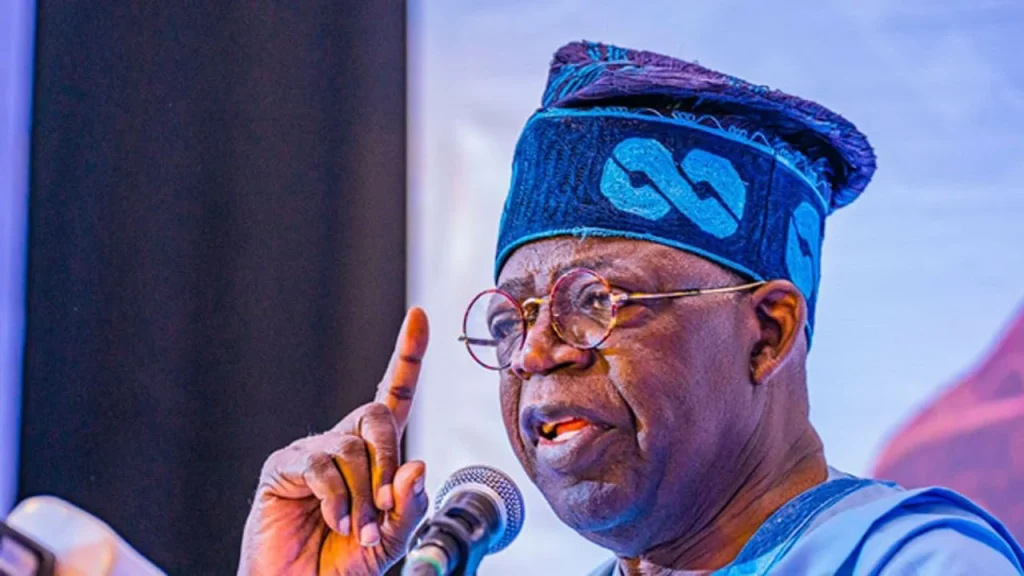
President Bola Tinubu has declared that Nigeria is emerging as a leader in renewable energy skills development across Africa following the commissioning of a renewable energy college in Kogi State.
The President described the institution as a major step toward building the technical capacity required to support Nigeria’s transition to cleaner energy sources and strengthen the country’s position in the global renewable energy sector.
Speaking during the commissioning ceremony, Tinubu highlighted the importance of developing skilled professionals who can design, install, maintain, and manage renewable energy systems. He noted that the future of energy depends not only on infrastructure but also on having a workforce capable of driving innovation and sustainable solutions.
The establishment of the renewable energy college comes at a time when Nigeria is seeking alternatives to traditional energy sources due to challenges affecting electricity supply, including limited grid coverage, rising energy demand, and the high cost of diesel and petrol-powered generators.
Nigeria, Africa’s most populous nation, has significant renewable energy potential, particularly in solar energy due to its geographical location and abundant sunlight. However, experts have often pointed out that a shortage of technical skills and specialised training has slowed the expansion of renewable energy projects across the country.
The new institution is expected to address this gap by providing training opportunities for young Nigerians interested in renewable energy technologies. Courses are expected to focus on areas such as solar power installation, energy efficiency, renewable energy management, and other emerging technologies within the clean energy sector.
Tinubu said investing in human capital development remains a key part of his administration’s strategy to achieve energy security and create employment opportunities for young Nigerians.
According to the President, renewable energy development presents an opportunity to reduce dependence on fossil fuels while creating new industries and jobs for the country’s growing youth population.
Nigeria’s energy transition agenda has gained attention in recent years as the country balances economic growth with environmental concerns. While oil and gas remain major contributors to government revenue, authorities have increasingly emphasised the need to diversify the energy sector.
The Federal Government has introduced policies aimed at encouraging renewable energy adoption, expanding electricity access, and attracting investment into clean energy projects. The focus has particularly been on using renewable energy to provide power to communities that remain disconnected from the national electricity grid.
Many rural communities in Nigeria continue to face electricity challenges due to the high cost of extending grid infrastructure to remote locations. Renewable energy solutions, especially solar mini-grids, have been identified as practical alternatives for improving electricity access in these areas.
Energy analysts believe that developing a skilled workforce is essential for the success of renewable energy initiatives. They argue that without trained technicians and professionals, many renewable energy projects may struggle with maintenance and long-term sustainability.
The renewable energy college in Kogi State is therefore seen as part of a broader effort to create a generation of energy experts who can support Nigeria’s clean energy ambitions.
Beyond addressing electricity challenges, renewable energy skills development could also contribute to job creation. With millions of young Nigerians entering the labour market annually, the renewable energy sector offers opportunities in manufacturing, installation, engineering, research, and entrepreneurship.
The global shift toward renewable energy has created a growing demand for professionals with specialised knowledge in clean technology. Countries investing early in renewable energy education and training are expected to benefit from new economic opportunities linked to the sector.
Nigeria’s move to strengthen renewable energy education also aligns with international efforts to reduce carbon emissions and promote sustainable development.
However, experts have stressed that training alone will not solve Nigeria’s energy problems. They note that skills development must be supported by consistent policies, access to finance, reliable infrastructure, and a business environment that encourages investment.
The commissioning of the renewable energy college represents a significant milestone in Nigeria’s energy development journey. It reflects the government’s recognition that addressing the country’s power challenges requires both physical infrastructure and human expertise.
As Nigeria continues to pursue cleaner and more reliable energy solutions, the focus on renewable energy education could play a crucial role in preparing the workforce needed for the future.
Tinubu’s declaration that Nigeria is becoming Africa’s renewable energy skills leader signals the government’s ambition to position the country not only as an energy consumer but also as a hub for renewable energy knowledge, innovation, and expertise across the continent.