

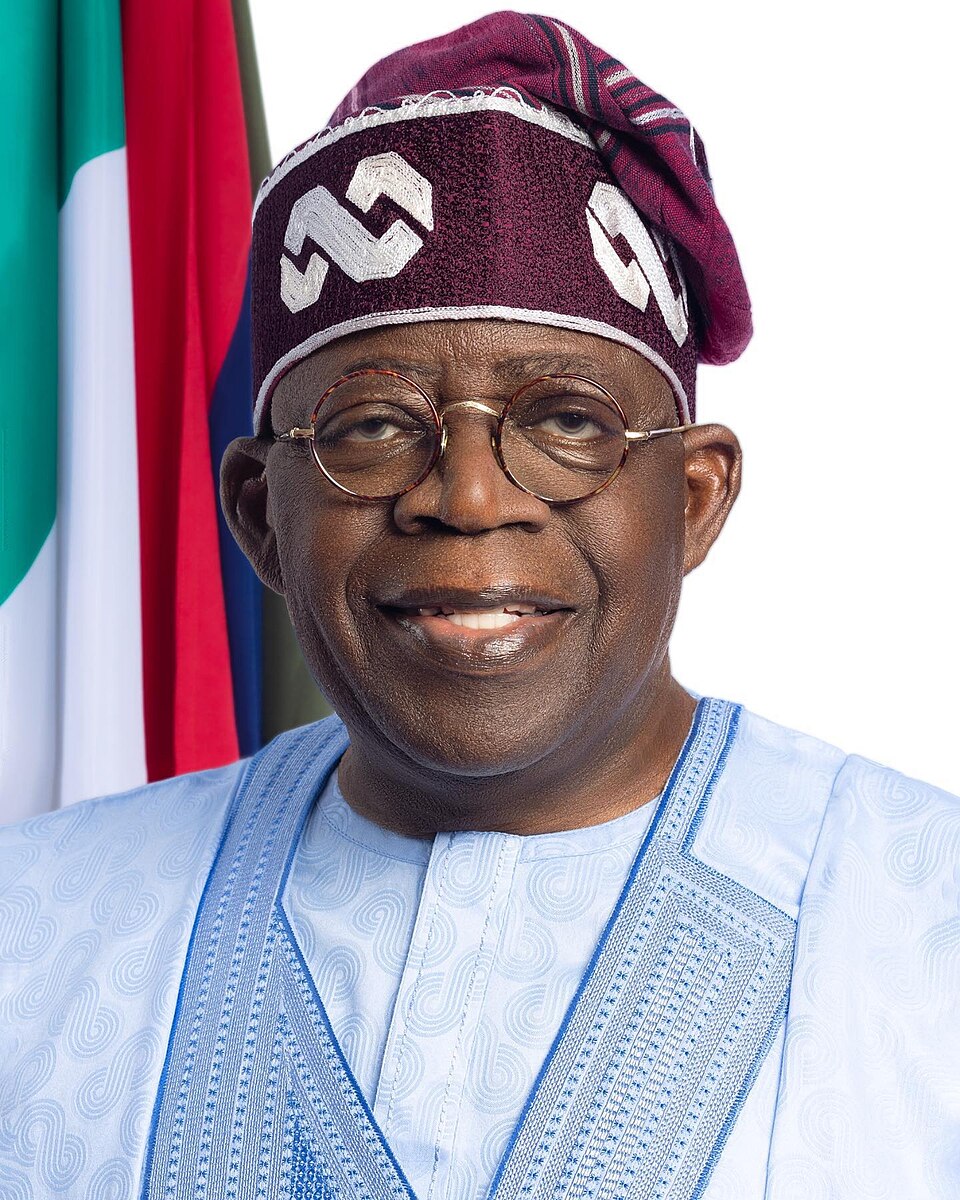
The recent meeting between President Bola Tinubu and Catholic bishops has generated widespread reactions across Nigeria, with discussions focusing on the role of religious leaders in national affairs and the government’s ongoing economic reform agenda.
The engagement has attracted attention from political analysts, religious observers, and citizens who are divided over what the meeting represents. While supporters of the administration view it as a demonstration of openness and willingness to engage important stakeholders, critics argue that such meetings must go beyond discussions and address the growing concerns of Nigerians facing economic difficulties.
The Presidency has defended the meeting, describing interactions with religious leaders as part of normal consultations between government and influential institutions in society. Officials have maintained that faith-based organisations remain critical partners in national development due to their strong presence at the grassroots level and their ability to connect with millions of citizens.
According to government supporters, engaging the Catholic Church and other religious bodies is necessary because solving Nigeria’s challenges requires cooperation from different sectors. They argue that religious leaders can contribute to conversations around education, healthcare, poverty reduction, peacebuilding, and social stability.
However, the meeting has also reopened debates about the place of religion in governance. Some Nigerians believe religious leaders have a responsibility to speak out on issues affecting the people, including economic hardship, insecurity, corruption, and poor living conditions. Others believe religious institutions should maintain a level of distance from political affairs to preserve their independence.
The discussion comes amid continued public reactions to the economic policies introduced by the Tinubu administration. Since taking office, the government has implemented major reforms aimed at restructuring the economy, including the removal of fuel subsidy and changes in the foreign exchange system.
The administration has argued that these decisions were necessary to address long-standing economic challenges and create a foundation for sustainable growth. Officials have repeatedly stated that previous policies placed heavy pressure on government finances and limited resources available for development.
Despite these explanations, many Nigerians continue to express concerns over the impact of the reforms. Rising transportation costs, increased food prices, inflation, and reduced purchasing power have remained major issues for households across the country.
The government has introduced various interventions aimed at reducing the impact of economic challenges, including social support programmes and initiatives targeted at vulnerable groups. However, critics argue that more urgent measures are needed to provide relief for citizens struggling with daily expenses.
The Catholic Church and other religious organisations have historically played important roles in Nigeria’s social and political conversations. Beyond spiritual activities, many religious institutions have contributed to education, healthcare delivery, humanitarian services, and peace efforts.
Because of their influence, religious leaders are often expected by citizens to provide guidance on national issues. Their comments on government policies frequently attract public attention, especially when those policies directly affect the lives of ordinary Nigerians.
Supporters of President Tinubu believe the meeting with bishops reflects a leadership style that values dialogue and consultation. They argue that governments must engage with different sections of society, including religious institutions, traditional leaders, civil society groups, and business communities.
They also believe that economic reforms require patience and understanding because major changes may take time before their benefits become visible. According to this view, constant engagement with trusted institutions can help reduce misinformation and improve public awareness of government programmes.
On the other hand, critics insist that dialogue must be matched with accountability and measurable results. They argue that while meetings with religious leaders are important, Nigerians are primarily concerned about practical improvements in their lives.
Issues such as job creation, improved security, affordable healthcare, stable electricity supply, and lower living costs remain central demands from citizens. Many believe that the success of the government’s reforms will ultimately be judged by their impact on ordinary people.
The controversy surrounding the bishops’ meeting also carries political implications as Nigeria moves closer to the 2027 general elections. Political parties and interest groups are already positioning themselves, and every major government action is being closely examined.
Analysts believe the administration’s ability to manage public expectations will play a major role in shaping political conversations in the coming years. Building trust between the government and citizens will remain a significant challenge, especially as economic pressures continue.
The meeting between President Tinubu and Catholic bishops has therefore become a symbol of a larger national debate about leadership, faith, accountability, and economic transformation.
As the government continues to defend its reforms, Nigerians will be watching closely to see whether consultations with religious and community leaders translate into policies that bring meaningful improvements to their lives. The success of the administration’s economic agenda will depend not only on policy decisions but also on its ability to maintain public confidence and deliver visible results.