



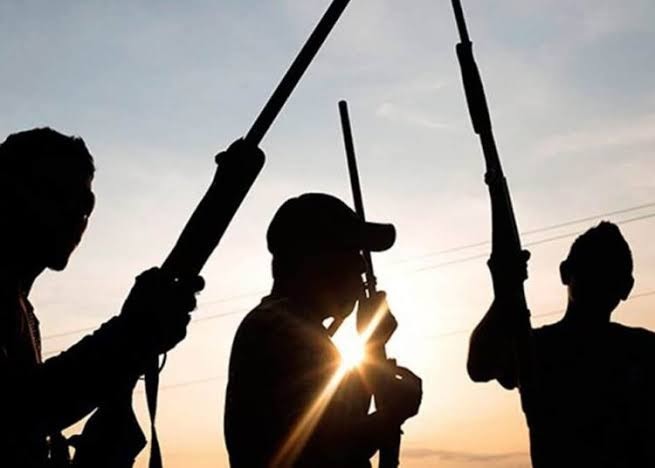
Nigeria is once again facing growing security concerns following the release of a new global report showing a sharp increase in terrorism-related deaths within the country.
While many parts of the world have reorded a gradual decline in terror-related fatalities, Nigeria appears to be moving in the opposite direction, with attacks becoming more frequent, more coordinated, and increasingly deadly.
The report highlights that the rise in deaths is largely driven by persistent insurgent activities in the northeastern region, alongside the spread of violence into other parts of the country. Armed groups continue to exploit weak security structures, difficult terrain, and vulnerable communities to carry out attacks that target both civilians and security personnel. These incidents often occur in rural areas where government presence is limited, making it easier for attackers to operate with little resistance.
One of the most troubling aspects of the report is the shift in tactics by terrorist groups. Rather than focusing solely on large-scale attacks, there has been an increase in smaller, more frequent assaults that cumulatively result in a higher death toll. These include ambushes, improvised explosive device (IED) attacks, kidnappings, and raids on villages. The unpredictability of such attacks has created a climate of fear, forcing many communities to live in constant uncertainty.
In the northeastern states, which have long been the epicenter of insurgency, the situation remains particularly dire. Despite years of military operations, armed groups continue to carry out deadly missions, often targeting displaced persons, local farmers, and traders. This has severely disrupted livelihoods and worsened the humanitarian situation in the region. Thousands of people remain in internally displaced persons camps, unable to return to their homes due to ongoing insecurity.
Beyond the northeast, other regions are also experiencing a rise in violent incidents. In the northwest and central parts of the country, criminal gangs and armed groups have intensified their activities, sometimes blurring the lines between terrorism and organized crime. Attacks on villages, mass abductions, and clashes with security forces have become increasingly common, contributing to the overall rise in fatalities.
Experts point to several factors behind the surge in terrorism-related deaths.
One major issue is the continued proliferation of small arms and light weapons, which makes it easier for non-state actors to acquire deadly firepower. Additionally, economic hardship, unemployment, and poverty have created conditions that can make recruitment into armed groups more appealing, particularly among young people.
Another significant challenge is the complexity of Nigeria’s security landscape. The presence of multiple armed groups with differing motives ranging from ideological extremism to financial gain has made it difficult to implement a one-size-fits-all solution. Security forces are often stretched thin, having to respond to threats across various regions simultaneously.
The report also emphasizes the impact of these attacks on civilians, who remain the primary victims of terrorism in Nigeria. Families have been torn apart, communities destroyed, and entire villages abandoned. The psychological toll is immense, with many survivors experiencing trauma and loss that will take years to heal.
In response to the growing threat, the Nigerian government has reiterated its commitment to tackling insecurity through both military and non-military approaches. Efforts have been made to strengthen intelligence gathering, improve coordination among security agencies, and invest in modern equipment. There have also been calls for increased collaboration with neighboring countries to address cross-border threats.
However, analysts argue that military action alone will not be sufficient to curb the rise in terrorism-related deaths. They stress the need for a more comprehensive approach that addresses the root causes of violence, including poverty, lack of education, and weak governance. Community engagement, deradicalization programs, and economic development initiatives are seen as critical components of a long-term solution.
The international community has also expressed concern over the findings of the report, urging greater support for Nigeria in its fight against terrorism. This includes not only security assistance but also humanitarian aid to help those affected by ongoing violence.
As Nigeria grapples with this alarming trend, the report serves as a stark reminder of the challenges that remain. While progress has been made in some areas, the rising death toll underscores the urgent need for renewed efforts and innovative strategies to restore peace and stability.
For millions of Nigerians, the hope is that these findings will prompt decisive action that goes beyond temporary measures, leading to lasting solutions that can bring an end to the cycle of violence and ensure a safer future for all.