



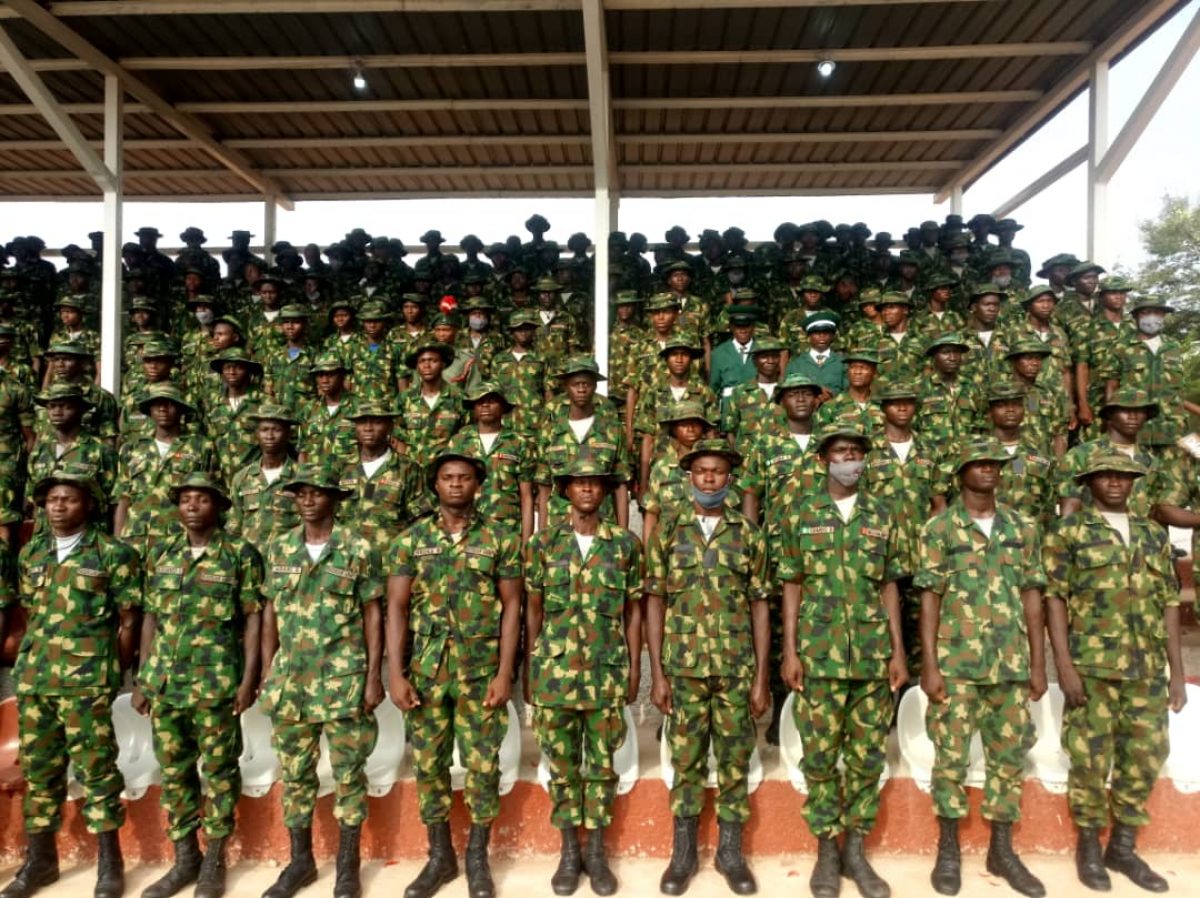
Concerns have emerged within sections of Nigeria’s military following allegations that some rehabilitated former insurgents are being deployed alongside security personnel in certain operational areas across the country.
The claims, which have generated debate among military observers, security analysts, and members of the public, have raised questions about trust, national security, and the long-term implications of reintegration programs designed to encourage defectors to abandon violent extremism.
According to reports circulating within security circles, some serving soldiers have expressed unease over what they describe as the increasing involvement of former insurgents in activities connected to military operations. The concerns center on fears that individuals who once fought against the Nigerian state may still pose security risks despite undergoing rehabilitation and deradicalization processes.
The allegations come against the backdrop of ongoing efforts by the federal government to tackle insurgency in the North-East and other parts of the country. Over the years, authorities have implemented various initiatives aimed at encouraging fighters to surrender their weapons, renounce violence, and reintegrate into society. Supporters of these programs argue that they are critical tools for weakening insurgent groups and reducing the cycle of violence.
However, critics have consistently questioned whether rehabilitation efforts are sufficient to guarantee that former fighters have genuinely abandoned extremist ideologies. Some military personnel reportedly fear that placing rehabilitated individuals in close proximity to active operations could create vulnerabilities that hostile groups might exploit.
Security experts note that reintegration programs are not unique to Nigeria. Around the world, governments facing insurgencies and armed conflicts have adopted similar strategies to encourage defections and promote peace. Such initiatives often include psychological counseling, vocational training, education, and community engagement aimed at helping former combatants transition back into civilian life.
Despite these objectives, concerns about trust remain a significant challenge. For many soldiers who have spent years battling insurgent groups and have lost colleagues in the conflict, accepting former adversaries as partners in any capacity can be difficult. Analysts say this emotional and psychological dimension cannot be ignored when evaluating the effectiveness of reintegration policies.
Some military sources reportedly argue that frontline personnel deserve greater transparency regarding the roles assigned to rehabilitated ex-combatants. They contend that uncertainty and rumors can negatively affect morale, especially in conflict zones where trust among personnel is essential for operational success.
Others have called for clearer guidelines outlining the extent to which rehabilitated individuals can participate in activities related to national security. They argue that while reintegration is important, safeguards must be established to ensure that sensitive information, strategic planning, and operational responsibilities remain protected.
On the other hand, advocates of rehabilitation programs insist that former insurgents who have successfully completed deradicalization processes should not face permanent exclusion from society. They argue that denying opportunities for reintegration could discourage other fighters from surrendering, thereby prolonging conflict and undermining peacebuilding efforts.
According to supporters of the approach, many individuals who joined insurgent groups did so under coercion, economic hardship, or misinformation. They maintain that rehabilitation programs provide a pathway for these individuals to rebuild their lives while contributing positively to society. From this perspective, successful reintegration can serve as evidence that reconciliation is possible even after years of violence.
The debate has also drawn attention to the broader challenge of balancing justice, security, and reconciliation. Families affected by insurgent attacks often demand accountability for crimes committed during the conflict. At the same time, policymakers must consider strategies that encourage defections and reduce the operational strength of armed groups.
Military analysts suggest that the controversy highlights the need for robust monitoring mechanisms. Such systems, they argue, can help authorities assess whether rehabilitated individuals continue to demonstrate commitment to peaceful conduct after completing reintegration programs. Continuous evaluation, they say, is essential to maintaining public confidence and ensuring that security objectives are not compromised.
The allegations have yet to receive comprehensive official clarification, but the discussion has reignited public interest in how former insurgents are managed after surrendering. Citizens, community leaders, and security stakeholders continue to debate the effectiveness of existing policies and the safeguards required to prevent potential risks.
Observers note that Nigeria’s fight against insurgency has evolved significantly over the years. While military operations remain a central component of the strategy, authorities have increasingly emphasized non-kinetic measures such as dialogue, rehabilitation, and community engagement. These approaches are intended to address the underlying factors that contribute to radicalization and recruitment.
Nevertheless, questions surrounding trust and accountability remain persistent. For serving soldiers on the front lines, confidence in the integrity of military operations is vital. Any perception that former insurgents are receiving special treatment or being granted access to sensitive responsibilities could fuel dissatisfaction and concern within the ranks.
As discussions continue, many stakeholders are calling for open communication, clear policies, and independent oversight to ensure that rehabilitation efforts achieve their intended goals without compromising national security. They argue that a transparent approach would help address concerns raised by soldiers while preserving the broader objective of encouraging defections and reducing violence.
Ultimately, the controversy underscores the complexity of combating insurgency in a manner that balances security needs with long-term peacebuilding efforts. Whether the allegations are substantiated or not, the debate reflects deeper questions about reconciliation, trust, and the best path forward in a country that continues to confront evolving security challenges. The outcome of these discussions may influence future policies on rehabilitation and reintegration, shaping how Nigeria manages former combatants while pursuing lasting stability and peace.