





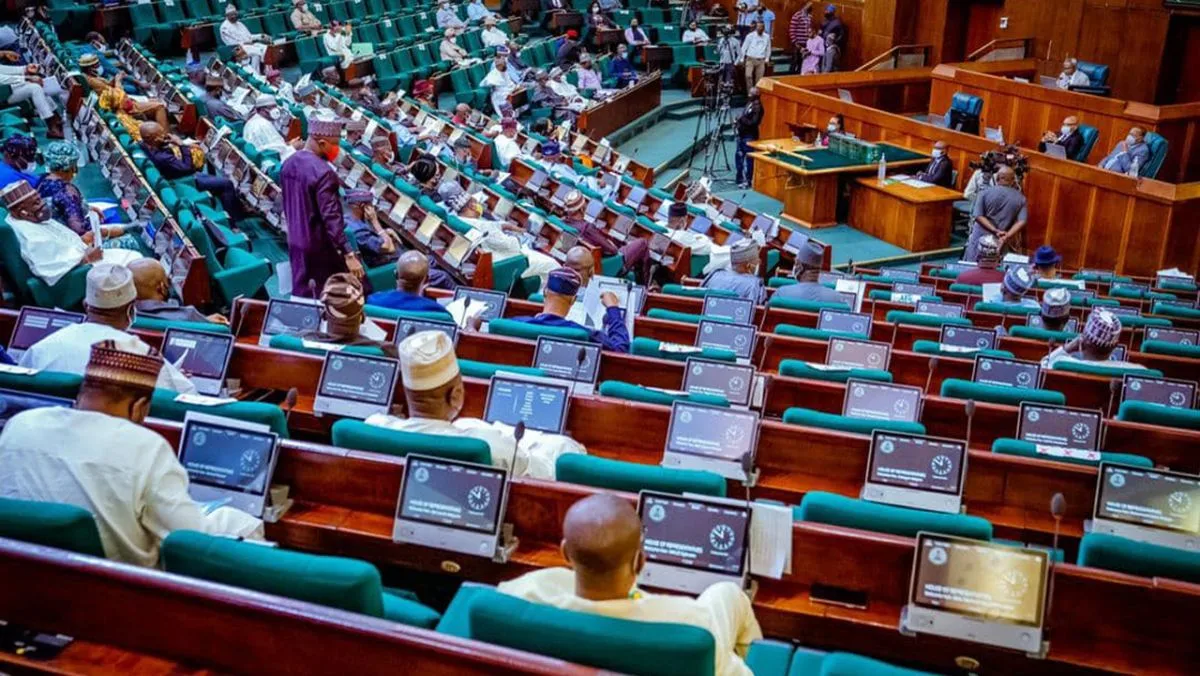
The House of Representatives on Thursday strongly condemned the wave of xenophobic attacks against Nigerians and other African nationals in South Africa, urging the federal government to intensify diplomatic pressure on Pretoria.
Meanwhile, proposals by some lawmakers to immediately suspend diplomatic relations between Nigeria and South Africa were rejected during the debate on a motion sponsored by the chairman of the house committee on navy, Yusuf Gagdi (APC Plateau).
He expressed concern over reports of attacks, unlawful arrests, destruction of businesses and the deaths of Nigerians and other African nationals in South Africa.
Gagdi referred to media reports of the deaths of two Nigerians in separate incidents and urged the Federal Government to take steps to ensure the safety and protection of Nigerian citizens residing in the country.
He also recalled Nigeria’s support for South Africa during the anti-apartheid struggle and stressed the importance of maintaining the principles of African unity, peaceful coexistence and mutual respect.
The Rep went on to cite Section 19 of the 1999 Constitution, which commits Nigeria to promoting African integration and international cooperation, as well as international human rights instruments, including the African Charter on Human and Peoples’ Rights and the International Covenant on Civil and Political Rights, which guarantee the rights to life, dignity, equality and protection from discrimination.
Some Africans, including Nigerians, have been killed since the renewed anti-immigrant tensions in South Africa. Locals had given and enforced a June 30 deadline for African migrants to leave the rainbow country.
Anti-immigrant demonstrations escalated in major cities like Johannesburg, Pretoria, and Durban.
Although organisers claimed the campaign targeted illegal immigrants, reports indicated that legally resident African migrants, including Nigerians, Ghanaians, Zimbabweans, Malawians and Mozambicans, were also attacked, with foreign-owned businesses looted and many people forced to flee their homes.
Nigeria’s Ministry of Foreign Affairs recently confirmed the deaths of two Nigerians – Emeka Iroegbu, who reportedly died while in police custody in Pretoria, and Musa Joe, who was murdered outside his business premises in eMalahleni.
African governments have taken steps like evacuating their citizens, with Nigeria and Ghana summoning South African envoys following attacks on their nationals. Ghana even had to defer a scheduled visit by President Cyril Ramaphosa.
The Debate
Following Gagdi’s proposal, lawmakers across party lines called for stronger measures against South Africa.
Co-sponsor of the motion, Billy Osawaru (APC, Edo), recalled that the House had adopted a similar motion on 5 May, following which the federal government facilitated the voluntary return of hundreds of Nigerians from South Africa.
He said about 856 of nearly 1,000 Nigerians who registered for evacuation had already been brought home.
While commending the government’s intervention, Osawaru said the latest killings showed that South Africa’s security agencies had failed in their responsibility to protect foreign nationals.
“We have engaged diplomatically, but it looks like Nigeria is being undermined. This is no longer a time for endless discussions. Other African countries are already taking decisive steps. Nigeria must also act,” he said.
He proposed that Nigeria suspend political, diplomatic and parliamentary engagements with South Africa, including trade, investment and economic diplomacy, until concrete steps were taken to halt the attacks.
Kayode Moshood (Lagos, APC) said Nigeria contributed millions of dollars to the anti-apartheid movement, noting that the resources could have been invested in the country’s own development.
Ghali Tijani (APC, Kano) also advocated the immediate severance of diplomatic ties with South Africa until justice was secured for Nigerian victims.
He described the attacks as a recurring tragedy that required stronger diplomatic action rather than routine condemnations.
Okey-Joe Onuakalusi (Lagos, NDC)said Nigeria must respond firmly to countries that treat its citizens with hostility, adding that the names of Nigerians killed in South Africa should be compiled and presented before the International Criminal Court (ICC).
Etanabene Benedict, from Delta State, also advised caution, urging the government to rely on diplomacy and international law instead of taking hasty retaliatory actions.
He suggested that recalling Nigeria’s ambassador to South Africa and summoning South Africa’s envoy in Abuja would send a stronger diplomatic signal while preserving channels for engagement.
At the close of the debate, Benjamin Kalu, the deputy speaker, subjected Osawaru’s proposal for Nigeria to cut diplomatic ties with South Africa to a voice vote, but the house rejected it.
Kalu said Nigeria has the capacity to reciprocate in kind to South Africa but would instead pursue diplomatic channels.
In its resolutions, the House condemned the reported attacks and observed a one-minute silence in honour of Nigerians and other African nationals who have lost their lives.
The lawmakers urged the Federal Government to summon the South African High Commissioner to Nigeria to seek clarification on the reported incidents and measures being taken to protect Nigerians living in South Africa.
The House also called for an independent and transparent investigation into the reported deaths, with those found culpable to be prosecuted in accordance with the law.
In addition, the lawmakers urged the Federal Government to intensify diplomatic efforts to secure appropriate support and compensation for affected Nigerians, including the families of those who lost their lives and individuals whose businesses or property were affected.
Lawmakers also urged the Federal Government to review bilateral relations with South Africa where necessary and enhance consular services, legal assistance and support for Nigerians who wish to return home.
The House resolved to establish an ad hoc committee to engage relevant stakeholders, including the South African Parliament, South African authorities and regional organisations, and report back within 21 legislative days with recommendations for further legislative and diplomatic action.

